 abujiggy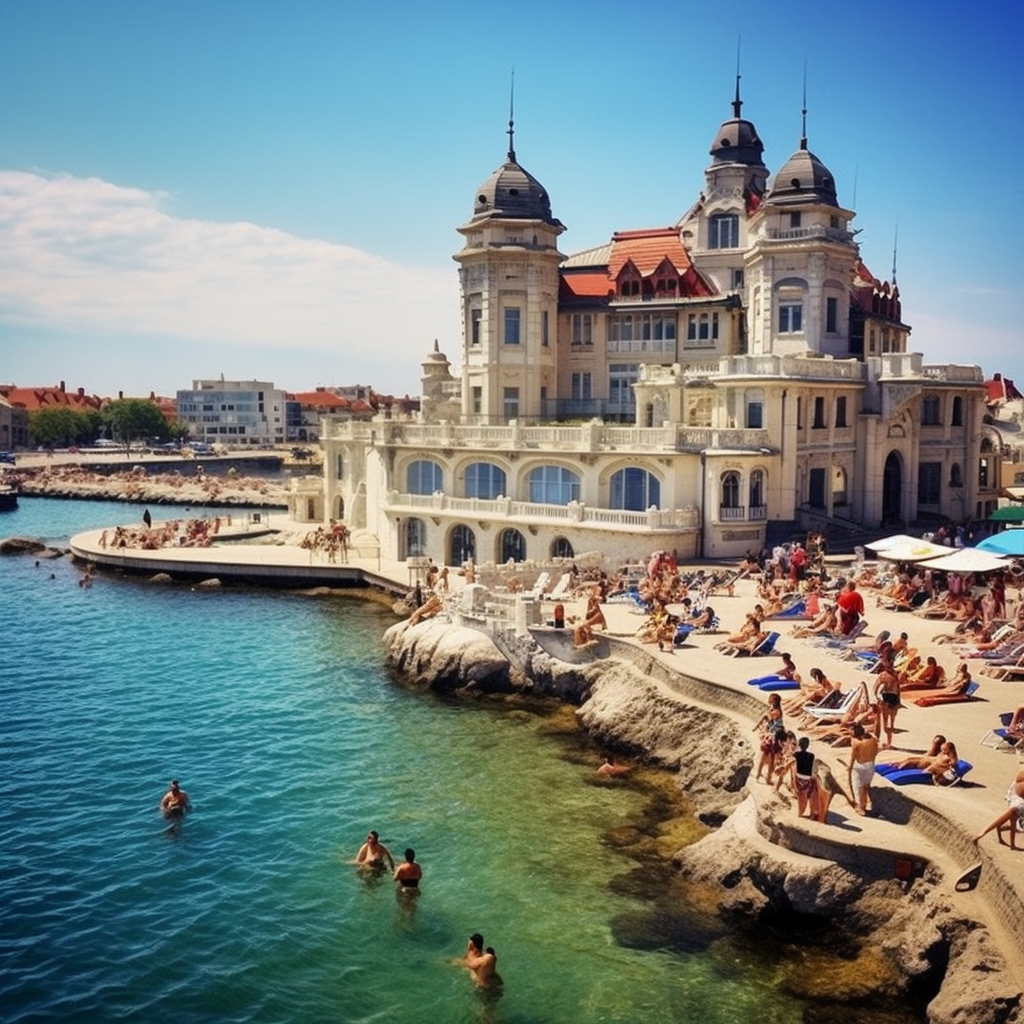
Most travel guides paint Constanta as a secondary Romanian destination—something to tick off after Bucharest and Brașov. They’re missing the point entirely. This Black Sea port city delivers an unexpectedly sophisticated dining scene, dramatic coastal views that rival the French Riviera, and weather patterns that make it ideal for exploration when the rest of Europe swelters or shivers.
I discovered this during a June trip in 2013 that completely shifted my perspective on Romanian coastal tourism. While everyone else was fighting crowds in Dubrovnik or paying inflated prices on the Italian Riviera, I was savoring exceptional steaks overlooking the Black Sea and wandering through 2,000-year-old ruins in perfect 24°C weather.
Here’s what you’ll actually get from this guide:
- Where to find Constanta’s best steak restaurants (and why the meat quality surprises even seasoned carnivores)
- The optimal viewing spots for Black Sea sunsets without tourist crowds
- Month-by-month weather breakdown to time your visit perfectly
- Historical sites worth your time versus the overhyped tourist traps
- Practical logistics for exploring Romania’s largest port city
Why Constanta’s Steak Scene Deserves International Recognition
Romanian beef doesn’t register on most foodie radars, which is precisely why Constanta’s steak offerings caught me off guard. The city’s position as a major port means restaurants have access to both exceptional local cattle and imported premium cuts, creating a competitive dining scene that punches well above its weight class.
The standout experience came at Restaurant Dacia, where I ordered what the menu simply called “ribeye” for around 45 RON (roughly £9 at 2013 exchange rates). What arrived was a 300-gram cut with perfect marbling, cooked to a precise medium-rare, and served with roasted vegetables that hadn’t been drowned in oil. The meat quality rivalled steakhouses I’d visited in Buenos Aires, but at a fraction of the price.
Local restaurants benefit from Romania’s agricultural traditions—cattle here graze on natural pastures rather than industrial feedlots. The result is beef with deeper flavour profiles and better texture than much of what passes for premium meat in Western European capitals. Most establishments age their steaks properly, something I discovered when chatting with the chef at Casa cu Flori, who explained their 21-day dry-aging process with genuine pride.
Wine pairings deserve special mention. Romanian vintages, particularly those from the Dobrogea region surrounding Constanta, complement the local beef beautifully. I paired my sirloin with a Murfatlar Cabernet Sauvignon that cost 25 RON per bottle—less than a glass would cost in London, yet easily comparable to mid-tier Bordeaux.
The Black Sea Casino: Constanta’s Most Photogenic Ruin
Constanta’s Art Nouveau casino, built in 1910 and now dramatically deteriorating on the seafront, provides the city’s most striking visual anchor. This isn’t a functioning casino anymore—it’s been abandoned since 1990—but the weathered facade creates an almost surreal backdrop against the Black Sea.
The building sits on a small promontory, making it visible from multiple angles along the coastal promenade. I found the best photography spots at sunset, when the warm light hits the casino’s ornate details while waves crash against the rocks below. The juxtaposition of Belle Époque architecture against raw coastline creates images that feel more Italian Riviera than Eastern European.
What makes this particularly compelling is the lack of restrictions. Unlike many historic sites that fence off photographers or charge admission, you can walk right up to the casino and explore the exterior freely. The interior remains off-limits due to structural concerns, but the external details—carved balustrades, decorative columns, weathered sculptures—provide plenty of material for architectural photography.
The surrounding area has been developed into a pleasant pedestrian zone with benches and lamp posts, making it comfortable to spend extended time here. I watched several spectacular sunsets from this vantage point, often with just a handful of other visitors. Compare that to similar scenic spots in established Mediterranean destinations, where you’re fighting crowds for decent viewpoints.
Weather Windows: When to Visit Constanta
June proved ideal during my visit—warm enough for comfortable outdoor exploration without the oppressive heat that makes many coastal destinations unbearable in peak summer. Daytime temperatures hovered around 24-26°C, with gentle sea breezes preventing any stuffiness. Evenings required only a light jacket, perfect for extended restaurant meals on outdoor terraces.
But timing matters significantly in Constanta. The Black Sea coastal climate differs markedly from Mediterranean patterns, offering several distinct advantages if you plan correctly:
| Month | Average High (°C) | Rainfall Days | Tourism Level | Best For |
|---|---|---|---|---|
| May | 21 | 6 | Low | Museum visits, city walking |
| June | 26 | 7 | Moderate | Perfect all-around weather |
| July-August | 29 | 4 | High | Beach activities, but crowded |
| September | 24 | 5 | Low | Warm sea, fewer crowds |
September actually offers the best compromise—sea temperatures remain warm from summer heating, but the oppressive crowds disappear after Romanian students return to school. I’ve spoken with locals who insist September is their secret season, when you get summer weather with spring tranquillity.
Winter visits are possible but dramatically different. December through February brings temperatures around 3-7°C, often with strong winds off the Black Sea. The casino and archaeological sites remain accessible, but the coastal charm diminishes considerably. Only consider winter if you’re specifically interested in the historical attractions rather than the seaside experience.
Ovid Square: More Than Tourist Kitsch
Most guidebooks mention Ovid Square as a mandatory photo stop, usually with some throwaway line about the Roman poet’s exile. That’s selling it short. The square serves as Constanta’s social heart, particularly in early evening when locals gather for coffee and conversation.
The Ovid statue itself is unremarkable—a standard 19th-century bronze figure that could represent any classical figure. But the surrounding architecture tells a more interesting story. Buildings from the 1920s and 1930s showcase Romanian interpretations of French and Italian styles, creating an unexpectedly cohesive urban space.
I spent considerable time here people-watching, which revealed patterns you miss on a quick tourist circuit. Office workers stop for espresso at the small cafés around 5 PM. Families with children appear around 6 PM, using the square as an informal playground. By 8 PM, it transforms into a social zone for young adults before they head to nearby restaurants.
The square also provides practical value as a navigation anchor. Most of Constanta’s key attractions sit within a 10-minute walk from Ovid Square, making it an ideal base for exploration. Several decent restaurants line the adjacent streets, though avoid the obvious tourist traps directly facing the statue—they charge inflated prices for mediocre food.
Archaeological Museum: Ancient Rome Without the Crowds
Constanta’s National History and Archaeological Museum houses one of Europe’s more impressive Roman collections, yet receives a fraction of the attention given to similar institutions in Italy or France. This works entirely in visitors’ favour—you can examine intricate mosaics and marble sculptures without fighting crowds or time restrictions.
The museum occupies a handsome early 20th-century building near the port, with exhibits spanning from ancient Greek settlements through the Roman and Byzantine periods. The highlight is undoubtedly the collection of Roman mosaics discovered during local construction projects, some rivaling examples I’ve seen in the Vatican Museums.
One mosaic floor, discovered in 1959 and now displayed in climate-controlled conditions, depicts scenes from daily life in the Roman port of Tomis (Constanta’s ancient name) with remarkable detail. You can spend extended time studying individual panels without museum guards hovering or tour groups pushing past.
Entry costs just 10 RON for adults, making it exceptional value compared to major European museums. Audio guides are available in English, though the quality varies. I found the written descriptions adequate for understanding the context and significance of major pieces. Allow 90 minutes for a thorough visit, though Roman history enthusiasts could easily spend half a day here.
The museum shop offers reproductions of jewelry and decorative items found in local excavations, generally of good quality and reasonably priced. These make distinctive souvenirs that actually relate to your visit, unlike the generic Romanian crafts sold elsewhere in the city.
Great Mosque: Architectural Fusion in Unexpected Places
The Great Mosque of Constanta, completed in 1910, represents fascinating architectural cross-pollination between Ottoman traditions and Romanian interpretations of Islamic design. It’s not the largest or most ornate mosque you’ll encounter, but the cultural context makes it particularly interesting.
Built during a period when Constanta hosted significant Turkish and Tatar populations, the mosque combines traditional Islamic elements—a central dome, slender minaret, geometric patterns—with materials and construction techniques common to Romanian Orthodox churches. The result feels distinctly local rather than imported.
The interior remains active for worship, though non-Muslim visitors are welcome outside prayer times (roughly 12-2 PM daily, and before evening prayers). Basic dress codes apply: long trousers for men, covered shoulders and heads for women. The mosque provides appropriate coverings if needed.
What struck me most was the integration with surrounding architecture. Rather than standing isolated like many religious buildings, the mosque fits naturally into the urban fabric, with the minaret visible from various points around the old city without dominating the skyline. This reflects Constanta’s history as a genuinely multicultural port rather than simply a Romanian city with minority populations.
Climbing the minaret is possible by arrangement with the imam, offering excellent views over the port and Black Sea. The climb involves narrow stone steps and isn’t suitable for anyone with mobility limitations, but the panoramic perspective provides unique insight into Constanta’s layout and relationship with the water.
Port Areas: Industrial Beauty and Fresh Seafood
Constanta’s identity as Romania’s largest port shouldn’t be ignored or apologised for—it’s central to the city’s character and offers unexpected pleasures for curious visitors. The working harbour creates dramatic industrial landscapes that contrast beautifully with the historic city center.
The best vantage points are along the northern breakwater, accessible by walking past the casino and following the coastal path. Container ships, oil tankers, and grain carriers create constantly changing compositions against the horizon. Photography enthusiasts will find excellent opportunities here, particularly during the golden hour when industrial structures cast long shadows across the water.
More practically, the port’s activity sustains several excellent seafood restaurants that cater primarily to local workers and sailors rather than tourists. Restaurant Ancora, tucked between warehouses about 15 minutes’ walk from the city center, serves remarkable fish soup and grilled catch-of-the-day at prices that seem almost insulting to visitors from Western Europe.
I had turbot grilled with garlic and herbs for 35 RON—less than £7—that would have cost £25-30 in a comparable London restaurant. The fish was clearly hours rather than days from the water, prepared simply but expertly. The atmosphere is decidedly working-class rather than refined, but that’s precisely what makes it authentic.
The port area reveals Constanta’s genuine character beyond the tourist facade—this is a real working city that happens to have remarkable history and scenery, not a museum town that exists primarily for visitors.
Coastal Promenade: Walking the Black Sea
Constanta’s seafront promenade extends for several kilometres, offering varied experiences from manicured gardens near the casino to wilder stretches where locals fish from rocky outcrops. Unlike many Mediterranean coastal walks that feel over-developed, this maintains a pleasantly understated character.
The southern section, from the casino towards the port, provides the most dramatic scenery. Waves crash against ancient stone foundations, creating natural sound effects that enhance the walking experience. Benches appear at regular intervals, most with unobstructed sea views—perfect for extended contemplation or reading breaks.
Early morning walks (around 6-7 AM) offer the best conditions: cool temperatures, excellent light for photography, and minimal crowds. I encountered mainly local joggers and dog walkers, creating an authentic glimpse of daily life rather than tourist theatre. The sunrise views can be spectacular, particularly when clouds create dramatic sky patterns.
Street vendors appear during peak hours selling corn on the cob, roasted nuts, and fresh lemonade. Prices are reasonable (2-3 RON for most items) and quality is generally good. The corn, grilled over small charcoal braziers, makes an excellent snack while watching ships enter and leave the harbour.
Beach access points connect the promenade to sandy stretches suitable for swimming during warmer months. The water quality in 2013 was acceptable, though not pristine—typical for a working port. Local families use these beaches regularly, suggesting they’re safe enough for casual swimming, though I’d avoid extended water activities.
Local Transportation: Getting Around Without Drama
Constanta’s size makes most attractions walkable from central accommodation, but public transportation options exist for longer journeys or weather contingencies. The local bus system covers major routes for minimal cost (around 2 RON per journey), though route information in English is limited.
Taxis are plentiful and generally honest, particularly those booked through hotels or restaurants rather than hailed on the street. Typical fares within the city center range from 10-20 RON, making them reasonable for short hops or when carrying luggage. Most drivers speak basic English, sufficient for simple directions.
Walking remains the most practical option for visitors interested in the historic center and coastal areas. The city’s compact layout means you’re rarely more than 20 minutes on foot from major attractions. Street signage includes English translations for major landmarks, and the coastline provides consistent navigation reference.
Car rental makes sense only for day trips to nearby attractions like the Danube Delta or wine regions inland. Within Constanta itself, a car becomes more burden than asset due to limited parking near attractions and pedestrianized zones in the historic center.
Accommodation: Where to Base Yourself
Constanta offers accommodation options from budget hostels to luxury hotels, with the sweet spot being mid-range properties within walking distance of both the coast and historic center. Location matters significantly more than star ratings—a well-positioned three-star property beats a luxury hotel stuck in suburban nowhere.
The area around Ovid Square provides the best balance of accessibility and atmosphere. Hotels here put you within easy walking distance of restaurants, museums, and the seafront without the noise issues that plague properties directly on the main coastal road. Expect to pay 150-250 RON per night for decent mid-range rooms during peak season.
Budget travelers can find acceptable hostels and guesthouses for 50-80 RON per night, though quality varies considerably. I’d recommend reading recent reviews carefully and prioritizing location over amenities for short stays. The city center is safe for walking at night, making location-based decisions primarily about convenience rather than security.
Luxury options exist but offer questionable value. The highest-end hotels charge international prices (300+ RON per night) for services that don’t justify the premium given Constanta’s reasonable restaurant and transportation costs. Unless expense isn’t a consideration, mid-range properties provide better overall value.
Day Trips: Extending Your Constanta Base
Constanta’s location makes it an excellent base for exploring the broader Dobrogea region, with several worthwhile day trips accessible by car or organized tours. The most compelling option is the Danube Delta, Europe’s second-largest river delta and a UNESCO World Heritage site.
Delta trips typically depart from Tulcea, about 90 minutes north of Constanta by car or bus. Full-day tours include boat transfers through the delta’s channels, bird watching opportunities, and traditional fish lunches in local villages. Costs range from 100-150 RON per person for group tours, more for private arrangements.
Wine enthusiasts should consider visits to the Murfatlar vineyards, located about 30 minutes inland from Constanta. Several wineries offer tastings and tours, showcasing Romanian varieties that rarely reach international markets. The landscape here differs dramatically from coastal areas—rolling hills covered with vineyards rather than flat port terrain.
Histria, Romania’s oldest city founded by Greek colonists in the 7th century BC, lies about 45 minutes north of Constanta. The archaeological site includes substantial ruins of temples, walls, and residential areas, providing insight into pre-Roman settlement patterns. Less developed than major Italian or Greek archaeological sites, but also less crowded and more affordable.
Common Mistakes to Avoid
- Skipping reservation calls: Better restaurants in Constanta don’t always accept walk-ins, particularly during peak season. A quick phone call saves disappointment, and most establishments have staff who speak basic English.
- Avoiding the port area: Many visitors stick to the sanitized tourist zone, missing authentic local restaurants and dramatic industrial scenery. The working port is safe during daylight hours and offers genuine insights into city life.
- Over-packing for weather: June through September temperatures are moderate and predictable. Heavy jackets and multiple layers are unnecessary burdens when walking between attractions.
- Expecting Mediterranean beach standards: Constanta’s beaches are pleasant but not pristine. Adjust expectations accordingly—this is a working port city with seaside benefits, not a dedicated beach resort.
- Limiting yourself to Romanian cuisine: The city’s multicultural history creates excellent Turkish, Greek, and fusion dining options. Stick only to traditional Romanian food and you’ll miss some of the best meals available.
- Rushing through the archaeological museum: This deserves at least 90 minutes for proper appreciation. The Roman mosaics alone justify the entry fee, but only if you allow time to study the details properly.
Frequently Asked Questions
Is Constanta safe for solo travelers?
Yes, particularly in the historic center and coastal areas where most attractions are located. Standard urban precautions apply—avoid displaying expensive electronics conspicuously and stay aware of surroundings after dark. The port area is safe during daylight hours but less advisable for solo evening exploration.
How much Romanian should I learn before visiting?
Basic greetings and “thank you” are appreciated but not essential. Most restaurant staff and hotel personnel speak functional English, and younger locals often speak it well. Key phrases for ordering food and asking directions are helpful but not critical for a successful visit.
Are credit cards widely accepted?
Major hotels, restaurants, and shops accept international credit cards, though some smaller establishments prefer cash. ATMs are common throughout the city center, dispensing Romanian lei. Carry some cash for street food, public transportation, and museum admissions.
What’s the best way to reach Constanta from Bucharest?
Direct trains run regularly between Bucharest and Constanta, taking approximately 2.5 hours for express services. Tickets cost around 30-50 RON depending on class and can be purchased at stations or online. Car rental is also practical, with the journey taking about 2 hours via good highways.
Is swimming in the Black Sea recommended?
During warm months (June-September), swimming is generally safe for healthy adults, though water quality varies. Local beaches near the city center are suitable for casual swimming but don’t expect Caribbean clarity. Stronger swimmers can venture further from shore for cleaner water.
How many days are needed to see Constanta properly?
Two full days cover the main attractions comfortably, allowing time for leisurely meals and coastal walks. Add a third day if planning day trips to the Danube Delta or local wineries. More than three days risk running out of substantial activities unless you’re content with extended relaxation time.
Key Takeaways
- Constanta’s steak restaurants offer exceptional quality at prices that seem almost insulting to visitors from Western Europe—take advantage of this pricing arbitrage while it lasts
- June and September provide optimal weather conditions, avoiding both winter cold and peak summer crowds while maintaining comfortable temperatures for extended outdoor exploration
- The abandoned casino provides Constanta’s most dramatic photography opportunities, particularly at sunset when warm light highlights the architectural details against crashing waves
- The archaeological museum houses world-class Roman artifacts with none of the crowds or time restrictions found at comparable Italian institutions
- Port area restaurants serve remarkably fresh seafood at working-class prices, offering authentic local atmosphere away from tourist-focused establishments
- The coastal promenade offers varied walking experiences from manicured gardens to wild rocky sections, best enjoyed during early morning hours for optimal light and minimal crowds
- Central accommodation near Ovid Square provides walking access to major attractions while avoiding noise issues from the main coastal road
Constanta rewards visitors who approach it as a genuine working city with remarkable historical depth rather than a purpose-built tourist destination. The combination of excellent food, dramatic coastal scenery, and substantial archaeological sites creates a compelling alternative to overcrowded Mediterranean destinations, particularly for travellers who appreciate authentic local experiences over polished tourist infrastructure.