 abujiggy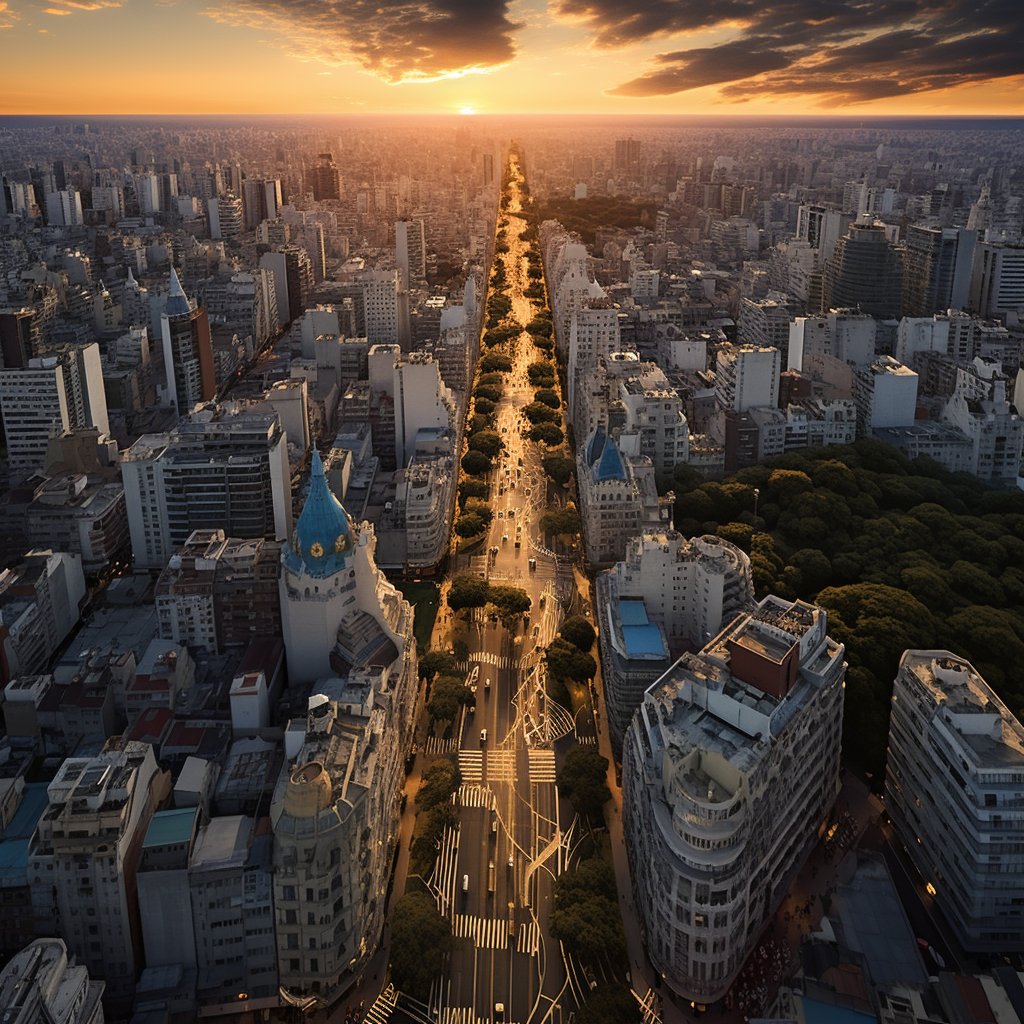
Every travel guide tells you Buenos Aires is passionate, sultry, and European. What they don’t tell you is how jarring it can be when you’re standing in Puerto Madero, surrounded by gleaming skyscrapers and designer restaurants, then walk fifteen minutes south into the cobbled chaos of San Telmo. This isn’t just another South American capital—it’s a city caught between identities, where pink presidential palaces sit next to brutalist apartment blocks, and where a €40 steak dinner might be the best value meal you’ve ever had.
I spent three weeks in Buenos Aires in 2013, right when Puerto Madero’s transformation was hitting its stride but before the tourist hordes discovered it properly. The city had this raw energy—part European sophistication, part Latin American grit—that made every day feel like discovery. Here’s what I learned about navigating its contradictions.
What you’ll actually get from this guide:
- The real story behind Casa Rosada’s pink facade and why timing your visit matters
- How to experience Puerto Madero without falling into the tourist traps
- Which parrillas actually serve the legendary steaks (and which ones are overpriced disappointments)
- The architectural significance of Calatrava’s bridge and the best photography angles
- Practical neighbourhood navigation tips that guidebooks skip
Casa Rosada: More Than Just Instagram Pink
The Casa Rosada’s pink walls aren’t just a quirky colour choice—they’re the result of a 19th-century political compromise. When I first approached Plaza de Mayo on a Tuesday morning, the building looked almost salmon-coloured in the harsh Buenos Aires sun, nothing like the bubble-gum pink I’d expected from photos.
The guided tours (free, but book ahead) run Tuesday through Sunday, except when state functions take precedence. What struck me wasn’t the opulent interior—though the Salón Blanco is genuinely impressive—but the museum’s unflinching examination of Argentina’s political turbulence. The Evita exhibits are thorough without being hagiographic, and they don’t shy away from the darker chapters of military rule.
The balcony where Eva Perón addressed the masses is smaller than you’d imagine, but standing there, you understand why her speeches could electrify a crowd of 300,000 people below.
Visit between 10 AM and 2 PM for the best light and smallest crowds. The changing of the guard happens every two hours, but it’s more ceremonial than spectacle. Skip it unless you’re genuinely interested in military pageantry. The real value is in the museum’s collection of presidential gifts—some absurd (a stuffed puma), others revealing (handwritten letters from world leaders during the Falklands conflict).
Pro tip: The plaza’s northern edge has the best unobstructed views for photography, especially if you want to capture both the Casa Rosada and the Metropolitan Cathedral in one frame.
Puerto Madero: From Decay to Gentrification Case Study
Puerto Madero in 2013 was still finding its identity. The master plan was clear—transform a derelict port into South America’s answer to London’s Canary Wharf—but the execution felt uneven. Half the district gleamed with new construction, while the other half remained pleasantly rough around the edges.
The four diques (docks) each have distinct personalities. Dique 1, nearest to the city centre, houses the best restaurants but also the most tourist-focused ones. I found better value and more interesting menus in Dique 3, where local office workers actually eat lunch. The Hilton and Faena hotels bookend the district’s luxury ambitions, but staying there means you’ll miss the authentic Buenos Aires experience entirely.
What works about Puerto Madero is its walkability. The waterfront promenade stretches uninterrupted for over two kilometres, offering genuinely stunning views across the Rio de la Plata. What doesn’t work is the pricing—everything costs 20-30% more than equivalent options in Palermo or San Telmo, simply because of the postcode.
The Best of Puerto Madero Without the Tourist Tax
- Lunch at Siga La Vaca (Dique 3) — All-you-can-eat parrilla for ARS 180 (2013 prices), frequented by locals
- Evening drinks at Rojo Tango — Expensive but worth it for the authentic tango show
- Morning coffee at Café Tortoni’s Puerto Madero outpost — Same quality, half the queues of the original
- Ecological Reserve walks — Free, peaceful, and a genuine escape from urban intensity
Puente de la Mujer: Calatrava’s Tango in Steel
Santiago Calatrava’s “Women’s Bridge” is simultaneously Buenos Aires’ most photogenic landmark and its most polarising. When I first saw it at dawn, with the morning mist rolling off the water, I understood the fuss—it’s genuinely beautiful, all curves and counterbalances that do evoke a couple mid-tango.
But here’s what irritated me: the bridge doesn’t actually solve a pressing transportation need. It’s 160 metres of architectural statement connecting two parts of Puerto Madero that were already well-connected by land routes. The ARS 23 million price tag (in 2001 pesos) could have funded actual infrastructure improvements elsewhere in the city.
That said, dismissing it as pure vanity project misses the point. Calatrava designed it to rotate 90 degrees to allow ships through—an engineering marvel that works flawlessly. The asymmetrical design, with its single mast and cable stays, creates different silhouettes from every angle. I spent an embarrassing amount of time photographing it from various positions along the waterfront.
Best photography times: golden hour (one hour before sunset) from the Dique 4 side, or early morning (8-9 AM) from Dique 1 for dramatic backlighting. The bridge rotates approximately twice per month for vessel passage—check the Puerto Madero website for schedules if you want to witness this spectacle.
The Parrilla Reality Check: Beyond Tourist Steaks
Buenos Aires has over 2,000 parrillas, and most tourists eat at the wrong ones. The highly-reviewed establishments in guidebooks often serve perfectly adequate beef to people who don’t know what exceptional Argentine steak actually tastes like. After systematically eating my way through recommended restaurants and local holes-in-the-wall, here’s what I learned.
The best cuts aren’t necessarily the most expensive. Bife de chorizo (sirloin) gets all the attention, but entraña (skirt steak) and vacío (flank steak) offer more flavour at better prices. Argentines rarely order their steaks medium-rare—the default is “a punto” (medium) because proper Argentine beef can handle higher temperatures without losing tenderness.
| Restaurant | Location | Bife de Chorizo Price (ARS) | Best For |
|---|---|---|---|
| Don Julio | Palermo | 320 | Special occasions, wine selection |
| La Brigada | San Telmo | 280 | Authentic atmosphere, Boca memorabilia |
| El Desnivel | San Telmo | 180 | Budget option, local crowd |
| Parrilla Peña | La Boca | 160 | Neighbourhood gem, minimal tourists |
Chimichurri varies wildly between establishments. The best versions are bright green, heavy on parsley and oregano, with just enough garlic to complement rather than overpower the beef. Avoid anywhere that serves red chimichurri as the primary option—it’s usually a sign they’re catering to tourist expectations rather than local preferences.
What Nobody Tells You About Argentine Steak Etiquette
- Don’t ask for steak sauce—it’s considered insulting to the chef
- Sharing plates (parrillada for two or more) offers better value and variety
- Order wine by the bottle, not glass—markup on individual glasses is astronomical
- Tip 10% maximum; service charges aren’t standard practice
- Lunch service often stops at 3 PM, dinner doesn’t start until 9 PM
Navigating Buenos Aires’ Neighbourhood Maze
Buenos Aires doesn’t have a single city centre—it has several, each with distinct personalities that guidebooks either oversimplify or ignore entirely. Understanding these micro-climates is crucial for planning your days efficiently and avoiding tourist-trap concentration zones.
Microcentro, where Casa Rosada sits, empties after business hours and weekends. It’s perfect for morning monument visits but dead for evening entertainment. San Telmo markets itself as bohemian and historic, but Sunday’s antique market has become almost entirely tourist-focused—vendors now accept US dollars and euros alongside pesos.
Palermo splits into sub-neighbourhoods that locals navigate instinctively but visitors find confusing. Palermo Soho (the trendy shopping area) bears no resemblance to Palermo Chico (embassy district) or Las Cañitas (nightlife strip). Puerto Madero, despite its marketing as waterfront chic, feels disconnected from the rest of the city—beautiful but artificial.
The most authentic Buenos Aires experience happens in neighbourhoods tourists rarely visit: Villa Crespo for excellent restaurants without the markup, Barracas for genuine tango venues, or Belgrano for how middle-class porteños actually live. These areas require more planning—fewer English speakers, cash-only establishments—but reward you with actual local culture rather than performed versions of it.
When Architecture Tells Buenos Aires’ Story
Buenos Aires’ buildings reveal its identity crisis more clearly than any history book. Walking from Casa Rosada to Puerto Madero, you’ll pass through 150 years of architectural ambition, each era trying to rebrand the city’s image.
The Casa Rosada itself embodies this perfectly—its Italian Renaissance facade masks a building that’s been reconstructed, extended, and modified countless times since the 1880s. The pink colour, originally achieved by mixing bull’s blood with white lime (a budget compromise between political factions favouring red and white), now requires constant maintenance with synthetic pigments.
French influence dominates the streets around Plaza de Mayo, reflecting late 19th-century ambitions to become the “Paris of South America.” These buildings age beautifully but require expensive maintenance that many property owners can’t afford, creating the slightly shabby grandeur that characterises central Buenos Aires.
Puerto Madero’s glass towers represent the latest reinvention attempt—Buenos Aires as modern financial capital. The architecture is technically impressive but culturally anonymous. You could transplant these buildings to Dubai or Toronto without changing their essential character.
The most honest Buenos Aires architecture isn’t the showcase buildings—it’s the apartment blocks in residential neighbourhoods, where European aspirations meet South American practicalities in endless creative compromises.
The Economics of Buenos Aires Tourism
Understanding Argentina’s economic peculiarities in 2013 was essential for budget planning. Official exchange rates bore little resemblance to black market rates, credit card transactions included substantial government surcharges, and ATM withdrawal limits made cash management a daily concern.
The infamous “blue dollar” rate in 2013 offered 30-40% more pesos per US dollar than official channels, but accessing it required navigating informal currency exchanges that operated in a legal grey area. Most tourists stuck to official rates and paid accordingly, while savvy travellers who understood the system stretched their budgets significantly.
This economic distortion created pricing anomalies that persist in different forms today. Imported goods (electronics, branded clothing, foreign alcohol) carried massive premiums, while domestic products and services remained remarkably affordable. A world-class steak dinner cost less than a mediocre burger in most European capitals.
Budget Reality Check: What Things Actually Cost
- Excellent parrilla dinner for two: ARS 400-600 (including wine)
- Taxi across the city: ARS 80-120
- Subte (metro) single journey: ARS 2.50
- Coffee and medialunas: ARS 25-40
- Museum entry: ARS 15-30 (many free days)
- Tango show with dinner: ARS 800-1,200
The Tango Tourism Complex
Buenos Aires’ relationship with tango resembles Prague’s relationship with classical music—simultaneously authentic cultural heritage and manufactured tourist experience. The challenge is distinguishing between genuine expressions and performances created solely for visitors.
Street tango in San Telmo and Puerto Madero ranges from genuinely skilled dancers busking for tips to elaborate productions designed to extract maximum tourist dollars per photo opportunity. The latter category is instantly recognisable: overly theatrical costumes, choreographed routines timed to tour group arrivals, and dancers who switch seamlessly between passionate tangos and casual English conversations with visitors.
Authentic tango happens in milongas (tango clubs) throughout the city, but these venues have strict social codes that casual tourists often find intimidating. La Viruta in Palermo or Salon Canning in Barracas offer more accessible entry points, though even these have adapted somewhat to international visitors’ expectations.
The expensive hotel tango shows (ARS 800-1,200 per person in 2013) provide polished entertainment but bear little resemblance to how tango functions in contemporary Argentine culture. They’re cultural tourism products, not cultural experiences—fine if you understand what you’re purchasing, problematic if you mistake them for authenticity.
Beyond the Postcard: Buenos Aires’ Uncomfortable Realities
Buenos Aires tourism marketing emphasises European elegance and Latin passion while glossing over urban challenges that affect visitor experiences. The city’s infrastructure strains visibly—frequent power outages, overcrowded public transport, and streets that flood during heavy rains.
Safety requires more attention than tourism boards acknowledge. While violent crime against tourists remains relatively rare, petty theft is endemic. Phone snatching, pickpocketing, and distraction scams target visitors who display obvious wealth or unfamiliarity with local customs. Working-class neighbourhoods like La Boca are genuinely unsafe for tourists after dark, despite their inclusion in many walking tours.
The economic instability that created favourable exchange rates for visitors in 2013 also generated real hardship for residents. Inflation affected daily life in ways tourists rarely witnessed—shopkeepers changing prices weekly, middle-class families postponing purchases, young professionals emigrating for better opportunities abroad.
This context doesn’t diminish Buenos Aires’ genuine attractions, but understanding it provides perspective on why the city sometimes feels simultaneously sophisticated and chaotic, why service quality varies so dramatically, and why locals’ attitudes toward tourism can be complex.
Seasonal Timing: When Buenos Aires Actually Works
Buenos Aires’ climate follows Southern Hemisphere patterns that often surprise Northern visitors. Summer (December-March) brings intense heat and humidity that makes sightseeing genuinely unpleasant during midday hours. Winter (June-September) offers mild temperatures perfect for walking tours but shortened daylight that limits photography opportunities.
I visited in April 2013, during autumn, which proved ideal timing. Temperatures rarely exceeded 25°C, rainfall remained minimal, and tourist numbers hadn’t yet reached peak season levels. Restaurant reservations were easier to secure, hotel prices remained reasonable, and popular attractions felt less crowded.
Spring (September-November) offers similar advantages with the added benefit of jacaranda trees blooming throughout the city. However, weather can be unpredictable—I experienced everything from 15°C mornings to 28°C afternoons during a single October week on a return visit.
| Season | Temperature Range | Pros | Cons |
|---|---|---|---|
| Summer | 20-30°C | Long days, festival season | Extreme heat, crowds, high prices |
| Autumn | 15-25°C | Perfect weather, fewer tourists | Limited cultural events |
| Winter | 8-18°C | Mild temperatures, cultural season | Short days, some venues closed |
| Spring | 12-22°C | Blooming city, good weather | Unpredictable conditions |
Transportation: Decoding Buenos Aires Movement
Buenos Aires’ transportation system works better than its reputation suggests, but requires understanding informal rules that official information ignores. The Subte (metro) covers central areas efficiently during off-peak hours but becomes claustrophobic during rush periods. Line congestion varies dramatically—Lines A and B serve tourist areas but suffer chronic overcrowding, while Lines C and E offer faster journeys with fewer crowds.
Taxis remain affordable but quality varies wildly. Radio taxis (ordered by phone) cost slightly more but offer reliable service and official receipts. Street taxis work fine for short journeys, though meters occasionally “malfunction” for tourists. Uber operated in a legal grey area in 2013, providing better vehicles and transparent pricing but requiring smartphone access and international data plans.
Walking remains the best way to experience Buenos Aires’ neighbourhoods, but distances deceive visitors accustomed to compact European city centres. Puerto Madero to San Telmo looks manageable on maps but involves a 25-minute walk through areas with limited interesting sights. Plan routes carefully and factor in rest stops, especially during summer months.
Public buses (colectivos) serve every corner of the city but intimidate visitors with their complexity—over 180 routes with minimal English signage and drivers who assume passenger familiarity with the system. Master one or two routes connecting your accommodation to major attractions rather than attempting comprehensive navigation.
Common Mistakes That Diminish Your Buenos Aires Experience
- Staying exclusively in Puerto Madero or Recoleta — You’ll experience expensive, sanitised versions of Buenos Aires rather than the real city
- Booking tango shows through hotel concierges — Commissions drive prices up 40-60% compared to direct booking
- Exchanging money at airports or official banks — You’ll receive substantially worse rates than alternative options
- Assuming afternoon sightseeing schedules — Many attractions close 1-4 PM for siesta, disrupting tourist itineraries
- Over-planning restaurant reservations — Buenos Aires dining culture favours spontaneity; excessive advance booking limits neighbourhood exploration
- Underestimating walking distances — Central Buenos Aires spans a much larger area than compact European city centres
Frequently Asked Questions
Is it safe to visit Casa Rosada and Puerto Madero as a tourist?
Both areas are generally safe during daylight hours, with regular police presence and tourist-focused security. However, avoid displaying expensive electronics or large amounts of cash, and stay aware of your surroundings, especially when moving between neighbourhoods. Evening safety is better in Puerto Madero than around Plaza de Mayo, which empties after business hours.
How much should I budget for meals at quality parrillas?
Expect to spend ARS 200-400 per person for dinner at excellent parrillas (2013 prices), including wine and side dishes. Tourist-focused establishments in Puerto Madero charge premium rates, while neighbourhood parrillas in areas like San Telmo or Villa Crespo offer better value. Lunch portions are typically smaller and 20-30% cheaper than dinner.
Can I visit Buenos Aires without speaking Spanish?
English proficiency varies dramatically by neighbourhood and venue type. Tourist areas like Puerto Madero and Recoleta have many English-speaking staff, while authentic local establishments may have none. Download a translation app and learn basic Spanish phrases for food, directions, and prices. Argentines generally appreciate visitors who attempt Spanish, even poorly.
What’s the best way to get from Ezeiza Airport to the city centre?
Manuel Tienda León buses (ARS 80 in 2013) provide reliable, affordable transportation to central Buenos Aires with stops near major hotels. Taxis cost ARS 300-400 but avoid traffic-dependent journey times. Rental cars are unnecessary for city-centre tourism and parking is extremely challenging in central areas.
Should I book accommodation in Puerto Madero?
Puerto Madero offers excellent hotels with waterfront views but isolates you from authentic Buenos Aires culture. Consider it for luxury-focused short visits, but choose Palermo or San Telmo for longer stays or cultural immersion. Puerto Madero’s restaurants and bars cater primarily to business travellers and tourists, with limited local atmosphere.
When is the best time to photograph the Puente de la Mujer?
Golden hour (one hour before sunset) provides the most dramatic lighting, especially from the Dique 4 side. Early morning (8-9 AM) offers good backlighting with fewer tourists. Avoid midday photography when harsh sunlight creates unflattering shadows. Check weather conditions—overcast skies often produce better results than bright sunshine for architectural photography.
Key Takeaways
- Buenos Aires rewards visitors who venture beyond tourist districts—authentic experiences happen in neighbourhoods like Villa Crespo and Belgrano, not just Puerto Madero
- Casa Rosada tours provide genuine historical insight, but timing matters—book ahead and visit during weekday mornings for the best experience
- The city’s economic peculiarities create pricing anomalies that favour informed travellers who understand currency exchange realities
- Architecture tells Buenos Aires’ story better than guidebooks—each district represents different eras of the city’s identity crisis
- Parrilla quality varies enormously, with neighbourhood gems often outperforming expensive tourist establishments
- Transportation works well once you understand informal rules, but walking remains the best way to experience the city’s character
- Autumn and spring offer optimal weather conditions, better prices, and fewer crowds than summer peak season
Buenos Aires isn’t the easiest South American capital to navigate, but it’s arguably the most rewarding for visitors who take time to understand its contradictions. The city’s ongoing identity crisis—European aspirations meeting Latin American realities—creates friction that can frustrate casual tourists but fascinates anyone willing to engage with complexity rather than seeking simple cultural consumption.