 abujiggy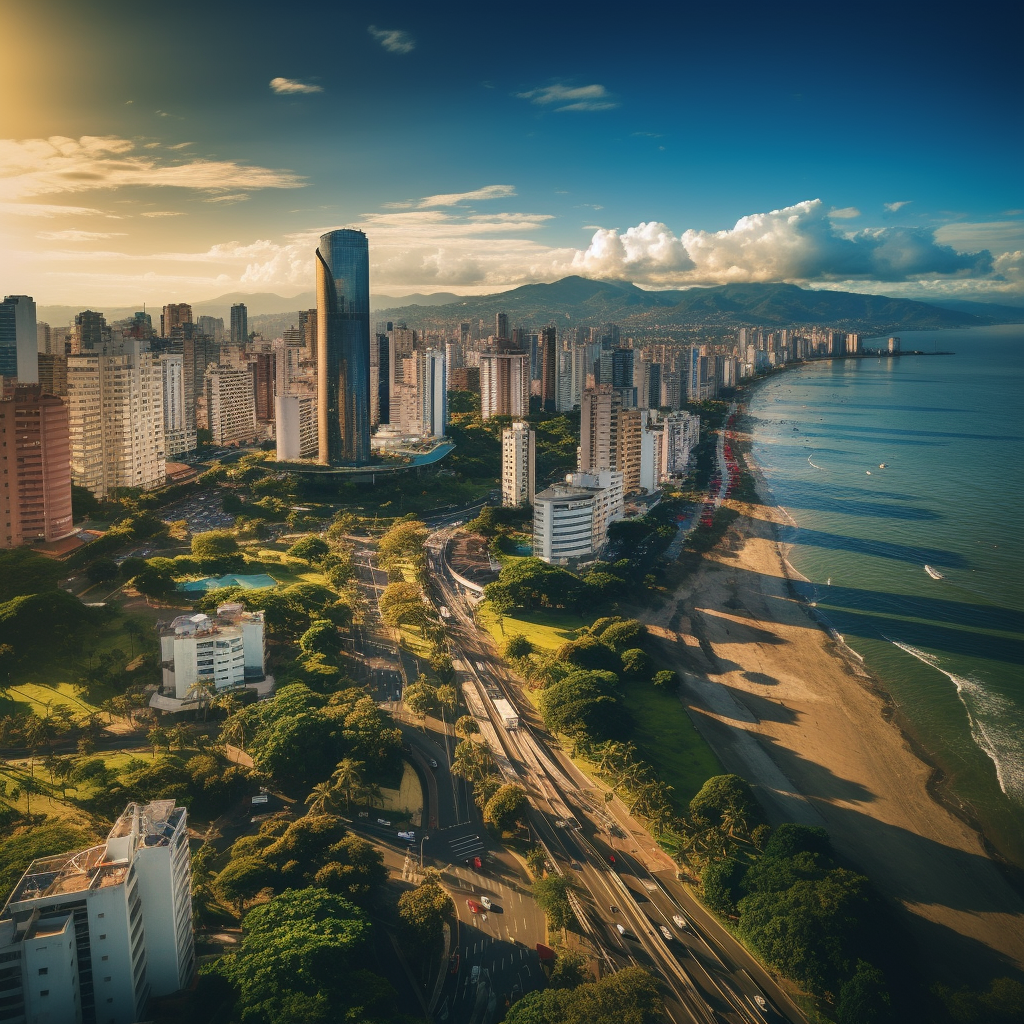
Everyone tells you to visit Rio or São Paulo when you’re planning a Brazilian adventure. But after spending two weeks exploring the southeastern coast in January 2014, I can tell you they’re missing the point entirely. Santos and São Vicente offer something their flashier cousins can’t: authentic Brazilian coastal culture without the tourist circus, stunning beaches that locals actually use, and colonial history you can touch without fighting crowds.
The problem is, most travellers either skip this region entirely or treat it as a day trip from São Paulo. That’s a mistake. These twin coastal cities deserve at least three days of your time, and if you’re serious about understanding Brazil beyond the postcard clichés, they deserve a week.
What You’ll Actually Get From This Guide
- Practical advice for exploring Santos’ 7km beachfront without falling into tourist traps
- São Vicente’s colonial sites that matter, plus the ones you can skip
- Where to eat the freshest seafood and street food (with specific restaurant names and what to order)
- How to time your visit for optimal weather and fewer crowds
- Essential packing and preparation tips for the Brazilian summer coast
Why Santos Beats Rio’s Famous Beaches
Santos boasts the world’s largest beachfront garden, stretching 5.3km along the coast, but that’s not what makes it special. What sets it apart is the complete lack of pretence. While Copacabana is all about seeing and being seen, Santos beaches are where Brazilian families actually go to relax.
The beach culture here is refreshingly authentic. During my January visit—peak summer season—I watched locals set up elaborate family picnics that lasted entire afternoons, complete with portable grills and coolers full of Brahma beer. Children played football in the sand while grandmothers chatted under beach umbrellas, and teenagers showed off capoeira moves near the volleyball nets.
The best stretch runs from Gonzaga neighbourhood to Aparecida. Gonzaga offers the liveliest scene with beach bars serving fresh coconut water and açaí bowls, while Aparecida tends to be quieter and better for swimming. The sand quality is consistently good throughout—fine, golden, and remarkably clean for a city beach.
Pro tip: Visit the beaches between 8-10am or after 4pm. The midday sun (10am-3pm) is brutal in January, and even locals seek shade during these hours.
Getting Your Bearings in Santos
Santos is surprisingly large—Brazil’s biggest port city—but the areas tourists care about are compact and walkable. The beach neighbourhoods of Gonzaga, Boqueirão, and Embaré form the main strip, connected by Avenida Presidente Wilson, which runs parallel to the beach.
The historic centre sits inland, about 2km from the beach. This is where you’ll find Santos’ colonial architecture, the famous coffee museum, and the port area. Don’t try to walk between the beach and historic centre in the heat—take the VLT tram system (R$4.50 per ride) or grab a taxi.
Most hotels cluster in Gonzaga, which makes sense. It’s central to everything, has the best restaurant concentration, and offers easy access to both the beach and the tram to São Vicente. I stayed at the Hotel Atlântico and found it perfectly positioned for exploring on foot.
São Vicente: Brazil’s Oldest Settlement Gets No Respect
São Vicente, just 10 minutes by tram from Santos, is technically Brazil’s first permanent Portuguese settlement (founded in 1532), but you’d never know it from the lack of tourist infrastructure. This works in your favour. You can explore genuine colonial architecture without fighting tour groups or paying inflated prices.
The historic centre is compact—you can cover the main sites in half a day. Start at the Marco Padrão monument, where Martim Afonso de Sousa supposedly first landed. It’s more symbolic than spectacular, but it puts you in the right headspace for what follows.
The real treasure is wandering the streets between Rua XV de Novembro and Rua Frei Gaspar. Here you’ll find the kind of well-preserved colonial facades that would be museum pieces in other countries, but in São Vicente, people still live and work behind them. The contrast between 16th-century architecture and 21st-century Brazilian life creates fascinating juxtapositions—internet cafés in colonial buildings, modern apartment blocks squeezed between baroque churches.
São Vicente Municipal Museum: Worth Your Time
Unlike many small-city museums that disappoint, the São Vicente Municipal Museum actually delivers. Housed in a restored colonial building, it tells the story of indigenous peoples, Portuguese colonisation, and the region’s development through well-curated exhibits.
The indigenous artifacts section is particularly strong, featuring pottery, tools, and ceremonial objects from the Tupi people who lived here before European arrival. The colonial period exhibits include original Portuguese documents, period furniture, and religious art that helps you understand how this settlement functioned.
What impressed me most was the museum’s honest treatment of colonisation’s impact on indigenous populations. Many Brazilian museums gloss over this, but São Vicente’s doesn’t shy away from the brutal realities of early colonial life.
Allow 90 minutes for a thorough visit. Entry costs R$8 for adults. It’s closed Mondays, and weekend afternoons get crowded with local families.
Where to Eat: Seafood That Hasn’t Been Touristified
The best meals I had weren’t at TripAdvisor’s top-rated restaurants, but at family-run places where menus were handwritten and servers needed to explain dishes in Portuguese. Here’s where to go:
For Fresh Fish: Restaurante do Porto (Santos)
Located near the port area, this no-frills spot serves the freshest fish in town. The peixe grelhado (grilled fish) comes with perfectly seasoned rice, beans, and farofa for R$35. The robalo (snook) is outstanding when available. Cash only, and they close when they sell out—usually by 2pm on busy days.
For Traditional Dishes: Casa da Moqueca (São Vicente)
The moqueca here—a Brazilian fish stew made with coconut milk and dendê oil—rivals anything I’ve had in Bahia. The prawns are massive and sweet, and they serve it in proper clay pots that keep everything hot. Expect to pay R$45-60 for a portion that easily feeds two people. Book ahead on weekends.
Street Food Champion: Tapioca da Praia (Santos beachfront)
This mobile cart parks near Gonzaga beach and serves the best tapioca crepes on the coast. Try the camarão (shrimp) version with cheese for R$12. The owner, Carlos, speaks decent English and loves recommending fillings based on your spice tolerance.
Beach Activities Beyond Sunbathing
Santos’ beaches offer more than lounging opportunities, though the lounging is excellent. The beachfront has designated areas for beach volleyball, football, and frescobol (a Brazilian paddle game that’s harder than it looks). Equipment rental costs about R$20 per day for volleyball nets or frescobol paddles.
Cycling the beachfront path is popular with locals. Bike rental shops in Gonzaga charge R$25-30 per day for basic beach cruisers. The dedicated bike path runs the entire length of the beach gardens, and cycling early morning or late afternoon beats walking in the heat.
For something uniquely Brazilian, join a capoeira roda (circle) that forms spontaneously on the beach most evenings. Participants welcome observers, and if you show genuine interest, someone will usually offer basic instruction. I learned more about Brazilian culture watching capoeira than visiting museums.
When to Visit: Timing Matters More Than You Think
| Season | Weather | Crowds | Best For |
|---|---|---|---|
| Dec-Mar (Summer) | Hot, humid, occasional rain | Highest | Beach activities, nightlife |
| Apr-Jun (Autumn) | Mild, less humid | Medium | Sightseeing, walking tours |
| Jul-Sep (Winter) | Cool, dry | Lowest | Museums, local culture |
| Oct-Nov (Spring) | Warm, occasional rain | Medium-high | Good all-around weather |
I visited in January, peak summer season, which has pros and cons. The beaches are at their liveliest, nightlife buzzes until dawn, and the ocean is perfect for swimming. However, temperatures hit 35°C regularly, humidity makes walking uncomfortable during midday, and prices peak for accommodation.
If you’re not tied to summer dates, April-May or September-October offer the best balance of good weather and manageable crowds.
Getting There and Getting Around
From São Paulo’s Guarulhos Airport, you have three options: rent a car (90-minute drive via Rodovia Anchieta), take the airport bus to Jabaquara metro station then switch to Santos-bound buses (3 hours total, R$45), or book a private transfer (R$200-250).
I recommend against renting a car unless you’re continuing to other coastal destinations. Parking in both Santos and São Vicente is challenging, and the cities are perfectly walkable once you arrive.
The VLT tram system connects Santos to São Vicente efficiently (R$4.50 per ride, every 15 minutes). Buy a rechargeable card for multiple journeys—it’s faster than fumbling with exact change in Portuguese.
For local transport, the municipal bus system works well but requires Portuguese language skills for routes. Taxis are abundant and reasonably priced. Uber operates in both cities with familiar app functionality.
Where to Stay: Neighbourhood Guide
Gonzaga is the obvious choice for first-time visitors. It’s central, safe, and has the highest concentration of restaurants and bars. Hotel options range from budget pousadas (R$80-120/night) to mid-range business hotels (R$150-250/night). The beachfront hotels charge premium prices but offer limited additional value.
Boqueirão, one neighbourhood east, offers similar amenities with slightly lower prices and a more residential feel. It’s where I’d stay on a return visit—close enough to walk to Gonzaga’s action but quieter for sleeping.
Avoid staying in São Vicente unless you’re particularly interested in colonial history. While charming during the day, the historic centre lacks evening entertainment options, and commuting to Santos beaches gets tedious.
Language Considerations
English is limited outside tourist-facing businesses. Basic Portuguese phrases make a huge difference in restaurants and shops. Download Google Translate with offline Portuguese before arrival—the camera translation feature works well for menus.
That said, Brazilians are incredibly patient with language barriers. Pointing, gesturing, and attempts at pronunciation usually result in helpful responses. I had some of my best interactions trying to explain myself in broken Portuguese while locals helped fill gaps.
Learn these essential phrases: “Quanto custa?” (How much?), “Onde fica?” (Where is?), “Obrigado/Obrigada” (Thank you – masculine/feminine), and “Desculpe, não falo português” (Sorry, I don’t speak Portuguese).
Budget Planning: What Things Actually Cost
Daily expenses for a mid-range traveller (2014 prices, roughly equivalent to 2024 values after inflation):
- Accommodation: R$120-180 per night for decent hotel
- Meals: R$40-60 per person for lunch, R$60-90 for dinner
- Transport: R$15-25 per day for local buses/trams
- Activities: R$10-30 for museums, R$25-40 for bike rental
- Drinks: R$8-12 for beer, R$15-20 for caipirinha
Street food and local restaurants cost significantly less than tourist-oriented establishments. My best meal cost R$35; my worst (at a hotel restaurant) cost R$85 and was half the quality.
ATMs are plentiful in Gonzaga but scarce in São Vicente’s historic centre. Bring cash for smaller establishments and street vendors.
Common Mistakes to Avoid
- Skipping sunscreen application every 2 hours — The Brazilian summer sun is unforgiving, especially with ocean reflection. I saw countless tourists with severe burns by day two.
- Eating at beachfront tourist restaurants — They’re overpriced and mediocre. Walk two blocks inland for better food at half the price.
- Only visiting during peak midday hours — The best beach culture happens early morning and late afternoon when locals actually use the beaches.
- Ignoring São Vicente completely — Most visitors treat it as a quick day trip, but the colonial architecture and local culture deserve more time.
- Not learning basic Portuguese phrases — English is extremely limited. Even minimal Portuguese effort opens doors and creates better experiences.
- Overpacking for beach days — Bring only essentials. Sand gets into everything, and you don’t want to worry about expensive items while swimming.
Frequently Asked Questions
Is it safe to travel to Santos and São Vicente as a solo tourist?
Both cities are relatively safe for tourists who take normal precautions. Stick to main areas during evening hours, don’t flash expensive electronics, and use official taxis rather than unlicensed vehicles. The beach areas are well-patrolled and generally secure during daylight hours.
How many days should I spend in this region?
Three days minimum to experience both cities properly—one day for Santos beaches and culture, one full day for São Vicente’s history, and one day for deeper exploration or relaxation. Five days allows for a more leisurely pace and day trips to nearby coastal towns.
Can I visit from São Paulo as a day trip?
Technically yes, but it’s rushed and defeats the purpose. The charm of this region lies in its relaxed pace and authentic beach culture, which you can’t appreciate in a hurried day trip. Stay at least one night to experience evening beach life and morning coastal walks.
What’s the best way to get between Santos and São Vicente?
The VLT tram is efficient, affordable (R$4.50), and runs every 15 minutes during peak hours. The journey takes about 10 minutes and connects both city centres. Taxis are also reasonable for short trips but unnecessary given the excellent tram service.
Do I need to book restaurants in advance?
For casual dining and street food, no advance booking is necessary. However, popular seafood restaurants in Santos and traditional establishments in São Vicente should be booked for weekend dinners. Weekday lunches rarely require reservations.
What should I pack for the Brazilian summer coast?
High-SPF sunscreen (reapply frequently), lightweight cotton clothing, comfortable walking sandals, a wide-brimmed hat, and a reusable water bottle. Bring cash for smaller establishments and a universal adapter for electronics. A portable phone charger is essential for navigation apps.
Key Takeaways
- Santos and São Vicente offer authentic Brazilian coastal culture without Rio’s crowds and commercialisation
- São Vicente’s colonial history deserves a full day, not just a quick visit between beach sessions
- The best local experiences happen away from beachfront tourist zones—walk inland for better food and prices
- January offers peak beach weather but also peak crowds and prices; shoulder seasons provide better value
- Basic Portuguese phrases significantly improve your experience and interactions with locals
- Three days minimum allows proper exploration of both cities without feeling rushed
- Santos’ 7km beachfront garden creates a unique urban beach experience unlike anywhere else in Brazil
Two weeks later, I was back in London wondering why more travellers don’t discover this stretch of Brazilian coast. Santos and São Vicente deliver everything you want from a Brazilian beach holiday—sun, culture, history, and incredible food—without the tourist infrastructure that tends to sanitise the experience elsewhere.