 abujiggy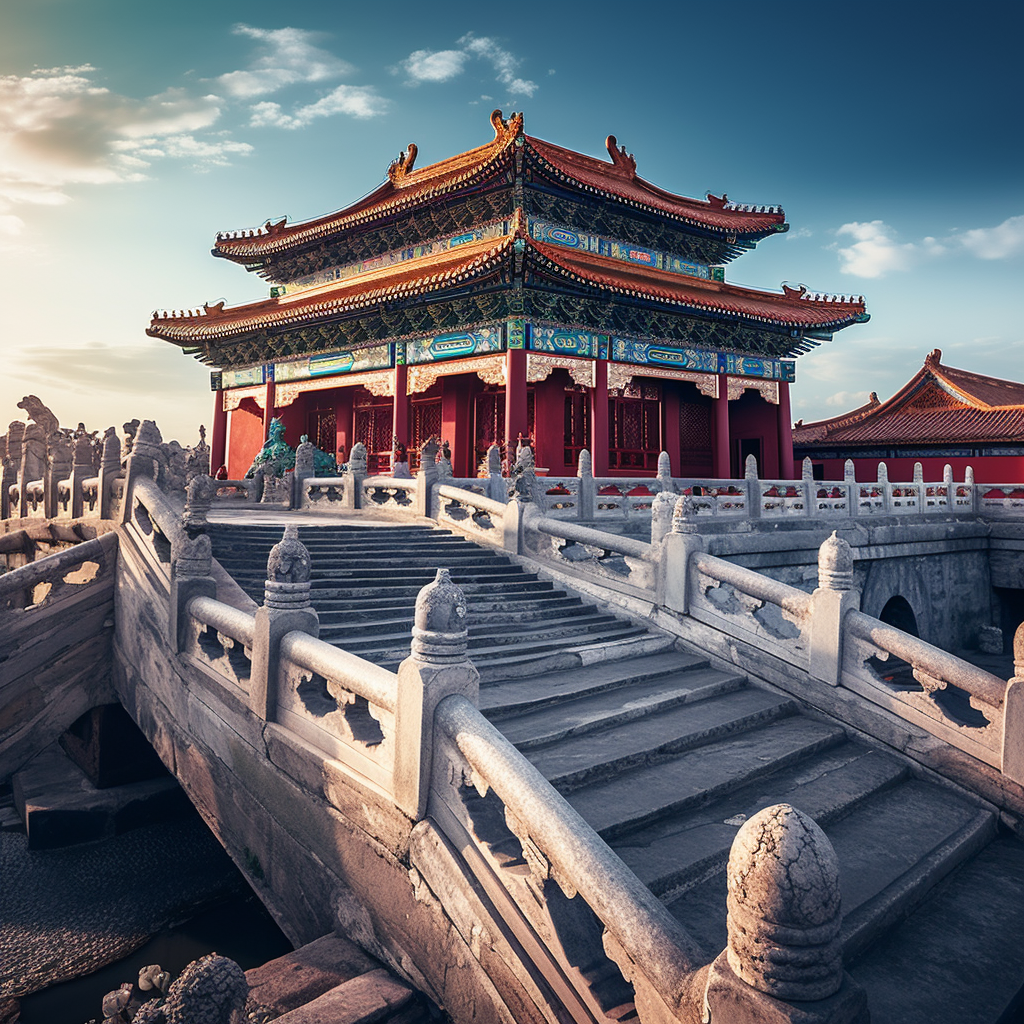
Nine years later, and I still get asked about that week I spent bouncing between Qingdao and Beijing. Not because it was the most Instagrammable trip—though the photos turned out decent—but because it perfectly captures what most people get wrong about exploring China. Everyone talks about choosing between the “real China” of ancient Beijing or the “modern China” of Shanghai. Meanwhile, places like Qingdao sit quietly offering something neither can: a glimpse into China’s colonial past wrapped in coastal charm, plus the best beer in the country.
The thing is, most travellers either skip Qingdao entirely or treat it as a brief stopover. That’s a mistake. When you pair it with Beijing, you’re not just ticking off tourist sites—you’re seeing how different historical influences shaped modern China. One week. Two cities. A perspective on China that most visitors never get.
What you’ll actually get from this guide:
- A practical 7-day itinerary splitting time between coastal Qingdao and imperial Beijing
- Specific restaurants, dishes, and food experiences worth the trip (with honest takes on what to skip)
- How to navigate the German colonial architecture in Qingdao without a tour group
- Forbidden City strategy that avoids the crowds and covers the highlights efficiently
- Real costs for accommodation, food, and transport between both cities in 2024
Why Qingdao Deserves More Than a Stopover
Qingdao gets overlooked because it doesn’t fit the typical China narrative. It’s not ancient like Xi’an or futuristic like Shenzhen. Instead, it’s something rarer: a Chinese city that wears its colonial German heritage openly, without apology or kitsch.
I spent three days here in May 2015, and what struck me wasn’t just the obvious—red-tiled roofs and Bavarian-style buildings along the coast. It was how seamlessly the German architecture blends with traditional Chinese elements. Walk through the Old Town (Laoshan District) and you’ll see Gothic churches next to Buddhist temples, beer gardens beside dumpling stalls.
The practical advantages matter too. Qingdao is significantly cheaper than Beijing for accommodation and food. A decent hotel room that would cost ¥800 in Beijing runs about ¥400 here. Street food prices are roughly 30% lower. Plus, the air quality is consistently better—important if you’re planning to spend time outdoors.
The best time to visit is April through October, with May being ideal. I hit it perfectly in 2015—warm enough for coastal walks, not yet humid enough to be uncomfortable. Avoid July and August unless you enjoy crowds and 30°C heat with high humidity.
Qingdao’s German Quarter: Beyond the Beer Museum
Everyone knows about the Qingdao Beer Museum—it’s impossible to miss the marketing. But the real German architecture experience happens in the residential areas around Zhongshan Road and the former German Governor’s residence area.
Start at the former German Governor’s residence (now the Qingdao Municipal Museum). The building itself tells the story better than any guidebook: imposing stone construction, German efficiency in the layout, but adapted for Chinese climate with deeper eaves and modified ventilation. Entry is ¥20, worth it for the historical context.
From there, walk northwest toward the Protestant Church (St. Michael’s Cathedral). This isn’t a museum piece—it’s still an active church. The Sunday services (in Mandarin) offer an interesting glimpse into Chinese Christianity, but even if you’re not religious, the Gothic architecture is striking against the coastal backdrop.
The real discovery happens in the residential streets between these landmarks. Look for the small hotels and guesthouses in converted German buildings—many still have the original tile work and wooden features. I stayed at a small place on Dexian Road that cost ¥280 per night and had more character than any chain hotel.
Pro tip from my 2015 trip: Hire a local guide for half a day (around ¥150) to explain the architectural details. I learned more about German colonial policy in three hours than I had from reading about it beforehand.
Qingdao’s Coastal Walk: Timing and Expectations
The coastal walk from Zhanqiao Pier to Badaguan Scenic Area is Qingdao’s main draw, but it’s also where most visitors make their biggest mistake: trying to do it all in one go during peak hours.
Instead, break it into sections. Start early morning (7-8 AM) at Zhanqiao Pier. The pier itself is nothing special—a wooden walkway with a pavilion at the end—but the morning light on the bay is excellent for photos. More importantly, you’ll have it mostly to yourself.
The middle section passes several beaches. Skip the first two (overcrowded, not particularly clean) and head straight to No. 2 Beach. This is where locals actually swim and where the water quality is decent. If you’re planning to swim, bring your own towel—rental facilities are basic.
The final section through Badaguan (“Eight Great Passes”) is where the coastal walk becomes genuinely impressive. This area features villas in different architectural styles—German, Russian, English, French—built for foreign residents during the colonial period. Many are now guesthouses or museums.
Total walking time: 3-4 hours including stops. Cost: Free, except for optional museum entries (¥10-30 each).
Where to Eat in Qingdao: Beyond Tourist Traps
Qingdao’s food scene revolves around two things: incredibly fresh seafood and surprisingly good German-influenced dishes. The tourist areas serve both, but poorly and expensively.
For seafood, skip the restaurants near Zhanqiao Pier entirely. Instead, head to Pichaiyuan Market area. This isn’t a polished food court—it’s a working market with small restaurants tucked between fish vendors. Look for places where locals are eating, and don’t be put off by basic decor.
The standout dish is lajiao chaoxie (spicy fried crab). Most places charge ¥40-60 for a portion that easily serves two people. Order it with mantou (steamed bread) to soak up the sauce. The preparation varies between restaurants, but the best versions balance the crab’s sweetness with serious heat from Sichuan peppercorns.
For German-influenced food, the area around the Beer Museum has several decent options, but my pick is Aufschnitt, a small restaurant on Zhongshan Road. Their sauerbraten (German pot roast) adapted with Chinese spices is excellent, and at ¥80 for a main course, it’s reasonably priced. Pair it with local Tsingtao beer—not the export version you might know, but the fresh draft that’s only available locally.
| Restaurant Type | Budget Range | Best Dishes | Location |
|---|---|---|---|
| Seafood (local) | ¥40-80 per person | Spicy crab, grilled squid | Pichaiyuan Market |
| German-Chinese fusion | ¥60-120 per person | Sauerbraten, sausages | Zhongshan Road area |
| Street food | ¥10-30 per person | Grilled seafood skewers | Coastal areas, evening markets |
Getting from Qingdao to Beijing: The Practical Reality
The high-speed rail connection between Qingdao and Beijing is excellent—when it works according to schedule. I took the G182 train, which covers the distance in about 5 hours and costs around ¥500 for second class, ¥800 for first class.
Book tickets in advance through the official railway app or at the station. Don’t use third-party booking sites—they add unnecessary fees and complications. If you don’t read Chinese, bring your passport and hotel booking confirmation to the ticket office; most staff can handle basic English for train bookings.
The train itself is comfortable and fast, but bring entertainment. Five hours is a long time, and the scenery between Qingdao and Beijing isn’t particularly interesting—mostly farmland and industrial areas. The food car serves decent meals for ¥40-60, but nothing special.
Flying is faster (2.5 hours flight time) but when you factor in airport transfers and check-in time, the total journey time is similar. The train station in Qingdao is more central than the airport, making it more convenient for most travellers.
Beijing’s Forbidden City: Strategy Over Wandering
The Forbidden City overwhelms most visitors not because of its grandeur—though it is genuinely impressive—but because they approach it wrong. At 72 hectares with over 9,000 rooms, you can’t see everything meaningfully in one visit. Don’t try.
Instead, focus on three main areas: the Outer Court (ceremonial halls), the Inner Court (imperial living quarters), and the Imperial Garden. Each deserves about an hour of focused attention, plus travel time between them.
Start with the Outer Court. The Hall of Supreme Harmony is the obvious highlight, but spend time with the details: the dragon carvings on the marble ramps, the bronze lions with different expressions, the precisely arranged roof decorations. This isn’t Instagram hunting—these details tell stories about imperial power and Chinese cosmology.
The Inner Court is where most tour groups rush through, which is a mistake. The Palace of Heavenly Purity and the Hall of Mental Cultivation contain some of the best-preserved imperial furniture and artwork. Take your time here; the audio guide (¥40 rental) is actually worth it for these sections.
Timing matters enormously. Enter when the palace opens at 8:30 AM, or after 3 PM when most tour groups are finishing up. Midday visits (11 AM-2 PM) are crowded and uncomfortable, especially in warm weather.
Beijing Beyond the Forbidden City: Temple of Heaven and Hutongs
Most Beijing itineraries pack in too many famous sites without allowing time to understand any of them properly. After the Forbidden City, I recommend focusing on two areas that offer different perspectives: the Temple of Heaven for imperial religious practices, and the hutong areas for traditional Beijing life.
The Temple of Heaven works best as an early morning visit (7-9 AM) when local people use the surrounding park for exercise. The temple itself is architecturally interesting—especially the way sound carries in the Echo Wall—but the real experience is watching tai chi practitioners, musicians, and dancers who gather daily in the park.
Entry costs ¥35 for the park, plus ¥20 for the inner temple areas. The audio guide here is skippable; the architectural concepts are straightforward, and the morning atmosphere is more important than historical details.
For hutongs, avoid the touristy Shichahai area and head to Dongcheng District instead. The alleys around Nanluoguxiang have been gentrified but still retain character. More authentic are the residential hutongs south of Qianmen Street, where families still live in traditional courtyard houses.
Walking these areas requires no planning—just wander and observe. Notice how families adapt traditional architecture for modern life: electric scooters parked in courtyards designed for horses, satellite dishes on centuries-old rooflines, communal areas where neighbors still gather to chat.
Beijing’s Food Scene: Navigating Peking Duck and Beyond
Beijing’s most famous dish, Peking duck, ranges from excellent to terrible depending on where you order it. The famous places (Quanjude, Bianyifang) are expensive and inconsistent—tourist traps that trade on reputation rather than current quality.
Instead, try Da Dong, which modernizes the traditional preparation without losing authenticity. A whole duck costs about ¥300 and serves 3-4 people comfortably. The skin is properly crispy, the meat stays moist, and the pancakes are made fresh. Reservations essential, especially for dinner.
For a more budget-friendly authentic experience, head to Li Qun in a converted hutong house. The atmosphere is more casual, the duck costs ¥180, and the quality is consistently good. The location is tricky to find—it’s deliberately unmarked—but taxi drivers know it.
Beyond duck, Beijing’s street food deserves attention. Jianbing (savory crepe) makes an excellent breakfast for ¥8-12 from street vendors. Look for vendors who crack eggs fresh and use multiple sauces. Avoid the ones in tourist areas who pre-make everything.
Zhajiangmian (noodles with fermented bean sauce) is Beijing’s comfort food. The best version I found was at a small restaurant near Lama Temple that charged ¥25 for a large bowl. The sauce should be rich and slightly sweet, the noodles hand-pulled, the vegetables crisp.
Tiananmen Square: What to Expect in Reality
Tiananmen Square carries enormous political and cultural significance, but as a tourist experience, it’s often disappointing. The square itself is mostly empty concrete—impressive in scale but not particularly engaging to walk through.
Security is extensive and visible. Bag checks are thorough, and photography restrictions are strictly enforced. Don’t bring large bags or prohibited items (the list is long and includes things like umbrellas and food). Storage facilities near the square charge ¥10-20 per item.
The surrounding buildings—the National Museum, Great Hall of the People, Mausoleum of Mao Zedong—are architecturally interesting but require separate tickets and significant time commitments. Unless you have specific historical interest, viewing them from the square provides adequate context.
Early morning visits (before 8 AM) offer the best experience with fewer crowds and better light for photos. The flag-raising ceremony at sunrise draws crowds but can be worth witnessing for the choreography and symbolism.
Budget 1-2 hours total unless you plan to visit the museums. The square’s impact comes from understanding its role in Chinese history and politics, not from spending extended time there.
Beijing’s Neighborhoods: Beyond the Tourist Core
Most Beijing visitors stick to the central areas around the Forbidden City and miss the neighbourhoods where modern Beijing life actually happens. During my week there, I made sure to explore areas like Sanlitun, 798 Art District, and Wudaokou to get a sense of contemporary Chinese urban culture.
Sanlitun is Beijing’s international district, known for nightlife and shopping. During the day, it’s worth visiting for the architecture—a mix of modern Chinese design and international influences. The area around Taikoo Li shopping center shows how Beijing is adapting Western commercial concepts.
798 Art District occupies a former industrial complex and houses galleries, studios, and creative spaces. Entry to the district is free, though individual galleries charge admission (typically ¥20-40). The contrast between the Bauhaus-influenced factory architecture and contemporary Chinese art is striking.
Wudaokou, near several universities, offers insight into young Chinese culture. The restaurants are cheaper and more experimental, the bookstores stay open later, and the general atmosphere is more relaxed than central Beijing. It’s easily accessible by subway and worth an evening visit.
Practical Costs: What This Trip Actually Cost in 2015 (and 2024 Estimates)
In 2015, my seven-day trip to Qingdao and Beijing cost approximately ¥4,500 excluding international flights. That covered mid-range accommodation, restaurant meals (not street food for every meal), transport between cities, major attraction entries, and miscellaneous expenses.
Breaking that down: accommodation averaged ¥350 per night (¥280 in Qingdao, ¥420 in Beijing), meals averaged ¥120 per day, local transport was about ¥40 daily, and attraction tickets totaled around ¥300 for both cities.
Adjusting for 2024 prices and inflation, expect to budget ¥6,500-7,500 for a similar trip. Accommodation costs have increased more than food costs. A decent hotel room in Beijing now runs ¥600-800 per night, while restaurant prices have increased by roughly 30-40%.
Areas where you can save money: eating more street food (excellent quality in both cities), staying in hostels or budget hotels (standards have improved significantly), using public transport exclusively rather than taxis.
Areas where spending extra is worthwhile: upgrading to first-class train tickets for the Qingdao-Beijing journey, hiring local guides for half-day tours in both cities, eating at least one high-end meal in each city to understand regional cuisine at its best.
What I’d Skip on This Itinerary
- The Summer Palace in Beijing—beautiful but time-consuming, and if you’ve seen the Forbidden City, the architectural concepts are similar
- Badaling Great Wall section—overcrowded and overpriced; if you must see the Great Wall, take the longer trip to Mutianyu instead
- Most organized tours in both cities—they move too quickly and hit obvious stops you can easily reach independently
- Shopping areas like Wangfujing—expensive, touristy, and not representative of how Chinese people actually shop
- Any restaurant with English menus near major tourist attractions—invariably overpriced and adapted for Western tastes rather than authentic
- Qingdao Beer Museum’s tasting session—overpriced at ¥40; you can drink better, fresher beer at local restaurants for ¥8-12
Essential Gear for This Trip
Based on my 2015 experience and the specific challenges of visiting both coastal Qingdao and urban Beijing, certain items proved more useful than expected.
A universal travel adapter is essential—both cities use different plug configurations in older buildings, and you’ll want to charge devices frequently for navigation and translation apps. The adapter I brought handled both Type A and Type I plugs used throughout China.
A portable power bank with high capacity (at least 10,000mAh) proved crucial. Chinese cities require extensive use of mobile apps for transport, translation, and navigation. Battery drain is significant, especially when using GPS continuously. The power bank I used could fully charge my phone twice, which was adequate for full days of sightseeing.
A compact travel camera makes sense for this specific trip because both cities offer excellent architectural photography opportunities, but phone cameras in 2015 weren’t adequate for capturing details in low light situations (inside temples, museums, traditional buildings). Even in 2024, a dedicated camera provides better zoom capabilities for architectural details.
Additional items I’d recommend: comfortable walking shoes (both cities require extensive walking), a lightweight rain jacket (May weather can be unpredictable), and offline translation apps downloaded before arrival.
Frequently Asked Questions
Is one week enough time to see both Qingdao and Beijing properly?
One week allows you to see the major highlights of both cities without feeling rushed, but you won’t have time for day trips or deeper exploration. I spent 3 days in Qingdao and 4 in Beijing, which felt well-balanced. If you only have 5-6 days total, skip Qingdao and focus entirely on Beijing.
Do I need to speak Chinese to navigate both cities?
Basic navigation is possible with translation apps and pointing, but having a few key phrases helps significantly. Transportation signs in both cities include English, and major attractions have English information. Restaurant menus outside tourist areas are Chinese-only, so translation apps are essential.
What’s the best time of year for this itinerary?
April through October for Qingdao (for coastal activities and pleasant walking weather), while Beijing is comfortable March through May and September through November. I visited in May, which was ideal for both cities—warm but not humid, with good air quality.
How much should I budget for food per day?
In 2024, budget ¥100-150 per day for restaurant meals, ¥60-80 if you eat more street food and local places. This includes breakfast, lunch, dinner, and drinks/snacks. High-end restaurants (like good Peking duck) will cost ¥200-300 for a full meal.
Is it safe to travel independently in both cities?
Both cities are very safe for independent travellers. Standard precautions apply (watch for pickpockets in crowded areas, don’t display expensive items unnecessarily), but violent crime targeting tourists is extremely rare. The biggest challenges are navigation and communication rather than safety.
Should I exchange money before arriving or use ATMs?
ATMs in both cities accept international cards and offer reasonable exchange rates. Bring some cash for arrival expenses, but don’t exchange large amounts beforehand. Mobile payment (WeChat Pay, Alipay) is ubiquitous, but setting up these apps as a foreigner requires a Chinese bank account.
Key Takeaways
- Qingdao offers a unique perspective on China’s colonial history that you won’t find in other major cities—don’t skip it for another day in Beijing
- The high-speed rail between Qingdao and Beijing is efficient and comfortable; book tickets directly through official channels to avoid fees
- Both cities reward early morning exploration—major attractions are less crowded and atmospheric conditions are better for photography
- Avoid tourist trap restaurants near major attractions; the best food experiences happen in residential neighborhoods and local markets
- Budget ¥6,500-7,500 for a week-long trip covering both cities comfortably, including mid-range accommodation and restaurant meals
- Focus your Beijing visit on 2-3 major sites rather than trying to cover everything; quality over quantity produces better experiences
- Street food in both cities is excellent and safe; don’t limit yourself to hotel restaurants and tourist-oriented establishments
This itinerary works because it shows two different aspects of Chinese history and culture without the exhaustion that comes from trying to cover too much ground. The coastal charm of Qingdao provides a pleasant counterpoint to Beijing’s intensity, and the week-long timeframe allows for both structured sightseeing and spontaneous exploration.