 abujiggy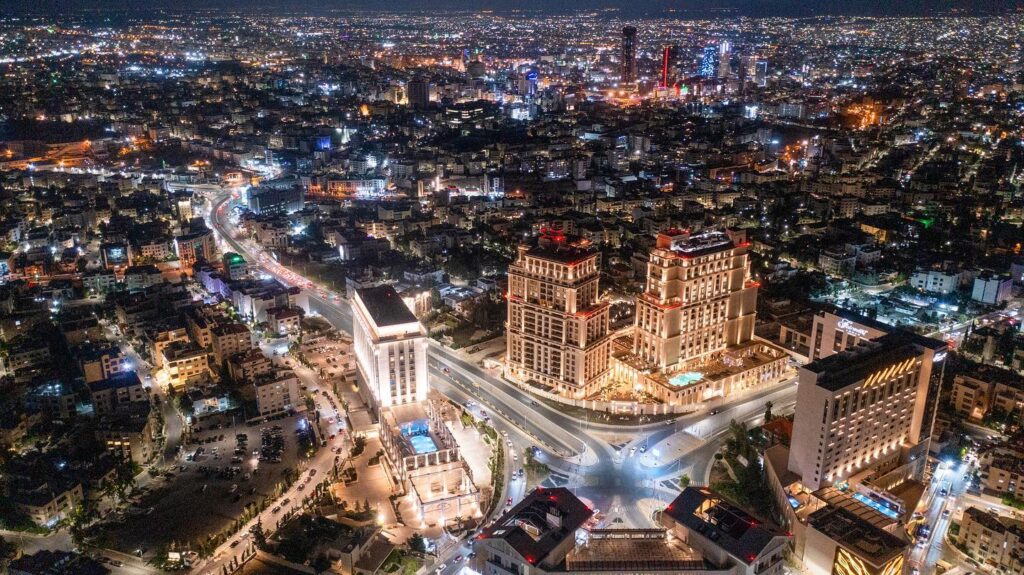
Amman. The name itself conjures images of ancient ruins, bustling souks, and perhaps a lingering scent of cardamom and grilled meats. It’s a city that’s been on my radar for a while, a crossroads of civilizations that promised a deep dive into history and culture. Yet, like many, I found myself wrestling with a common travel dilemma: how do you truly *experience* a city like Amman beyond the well-trodden tourist paths? How do you move from simply seeing sights to genuinely understanding its pulse, its flavours, its soul?
My trip in February 2024 was an attempt to answer that very question. I wasn’t just looking for a checklist of landmarks; I wanted to find the places that told Amman’s story, the spots where tradition met modernity, and where the everyday life of its residents unfolded. This guide is the result of that exploration, a curated journey through the districts and experiences that truly captured the essence of Amman for me.
Forget the generic guidebooks that list facts and figures. This is about the feeling of a place, the taste of its food, the vibe of its streets. It’s about how to navigate Amman not just as a tourist, but as a curious traveller seeking authentic connection. Let’s dive in.
TL;DR: Your Amman Cheat Sheet
- Beyond the Citadel: While historical sites are crucial, Amman’s magic lies in its vibrant neighbourhoods like Rainbow Street and Al Loubedah, where culture and modern life intertwine.
- A Culinary Deep Dive: Authentic Jordanian cuisine is a must. Fakhr Al Deen is a standout for traditional flavours, but exploring local mezze is key to understanding the city’s palate.
- Shopping with Soul: Gardens Street offers a fascinating mix of traditional crafts and modern finds, a perfect microcosm of Amman’s evolving identity.
- Modern Hubs: Al Swayfieh Village provides a glimpse into Amman’s contemporary urban lifestyle, showcasing its growth and appeal beyond historical tourism.
- Timing is Everything: February offered pleasant weather, but understanding Amman’s seasonal climate is crucial for planning your visit.
Fakhr Al Deen: A Taste of Authentic Jordan
When you travel, especially to a city with such a rich culinary heritage as Jordan, food isn’t just sustenance; it’s a narrative. It’s how you understand the land, the history, and the people. My visit to Fakhr Al Deen Restaurant in February 2024 was precisely this kind of narrative experience. Tucked away on Gardens Street, this establishment isn’t just a restaurant; it’s a destination that has earned its reputation for serving some of the most authentic Jordanian dishes you’ll find in Amman.
The moment you step inside, there’s a palpable sense of warmth and tradition. It’s not overtly flashy, but rather possesses a comfortable elegance that speaks to its enduring appeal. The décor hints at a bygone era, with intricate woodwork and classic touches that create an intimate atmosphere. This is the kind of place where you can truly settle in and savour the experience, away from the more transient, modern eateries that populate other parts of the city. It felt like stepping into a well-loved Jordanian home, albeit one with exceptionally skilled chefs.
What sets Fakhr Al Deen apart is its unwavering commitment to authenticity. They pride themselves on showcasing the breadth of Jordanian cuisine, and they do it exceptionally well. The menu is a testament to this, featuring a tantalising array of dishes that represent different facets of the country’s gastronomic landscape. For me, the mezze platters were an absolute revelation. These aren’t just small plates; they are a curated journey through flavour and texture. I’m talking about creamy hummus, smoky baba ghanoush, crisp tabbouleh, and a variety of spiced dips and salads, each prepared with a freshness that made them sing. It’s the perfect way to sample a wide range of tastes without committing to a single large dish.
Beyond the mezze, their grilled meats are exceptional. The kebabs, whether lamb or chicken, are perfectly seasoned and cooked to tender perfection, often served with fluffy rice or freshly baked bread. I also highly recommend trying some of their more regional specialties if they are available. The chefs here clearly have a deep understanding of traditional recipes, using high-quality ingredients and time-honoured techniques. It’s this dedication that elevates the dining experience from merely good to truly memorable.
Who is Fakhr Al Deen for? It’s for the traveller who wants to taste the real Jordan, not a watered-down version for international palates. It’s for those who appreciate a refined yet traditional dining atmosphere and are willing to invest a little more for a high-quality, authentic meal. It’s also ideal for groups looking to share a variety of dishes and experience the communal joy of Jordanian dining.
Practicalities: Reservations are highly recommended, especially during peak hours or on weekends. While not the cheapest meal in Amman, the quality and experience justify the price point. Expect to spend approximately 30-50 JOD per person for a substantial meal with drinks.
Gardens Street: Where Tradition and Modernity Intertwine
Amman is a city of layers, and Gardens Street is where you can peel back a few of them to see how the old and new coexist. My stroll down this particular thoroughfare during my February visit was a fascinating microcosm of Amman’s evolving urban identity. It’s not a single, grand monument, but rather a vibrant artery that pulses with the daily life of the city, offering a genuine glimpse into its character.
What struck me immediately was the eclectic mix of establishments. You’ll find modern boutiques showcasing contemporary fashion and homeware sitting comfortably alongside shops that have been selling traditional goods for generations. This juxtaposition is what makes Gardens Street so engaging. It’s a place where you can browse for the latest trends in one moment and then be drawn into a shop filled with the rich colours and textures of Jordanian textiles the next.
The sensory experience here is just as varied. The aroma of spices wafting from small grocers mingles with the scent of freshly brewed coffee from trendy cafes. You’ll hear the chatter of locals catching up, the calls of vendors, and the general hum of urban activity. It’s this blend of sights, sounds, and smells that creates an immersive atmosphere, pulling you into the rhythm of Amman.
For the traveller interested in souvenirs or unique gifts, Gardens Street is a goldmine. I spent a good amount of time admiring the intricate handicrafts – hand-painted ceramics, delicate silver jewellery, and beautifully embroidered cushions. There are also shops dedicated to local spices, olive oil, and traditional sweets, offering a taste of Jordan to take home. It’s important to engage with the shopkeepers; many are happy to share the stories behind their products, adding a layer of cultural context to your purchases.
However, it’s not all about tradition. Interspersed amongst these older establishments are modern cafes, art studios, and even small galleries. This is where you see Amman’s contemporary creative scene making its mark. Grabbing a coffee in one of these modern spaces after exploring the traditional shops offers a perfect balance, allowing you to appreciate both the city’s heritage and its forward-looking spirit.
Navigating Gardens Street: It’s best explored on foot. Allow yourself ample time to wander, pop into shops that catch your eye, and perhaps stop for a coffee or a fresh juice. The street is generally lively throughout the day, but it takes on a different charm in the early evening as well.
What to look for: Hand-woven textiles, local spices (za’atar is a must-try), traditional sweets like Ma’amoul, and unique handcrafted jewellery. Don’t be afraid to haggle politely in the more traditional shops; it’s part of the experience.
Al Swayfieh Village: Amman’s Modern Urban Heartbeat
While Amman’s historical layers are undeniably compelling, no modern capital city thrives solely on its past. My exploration of Al Swayfieh Village during my February 2024 trip revealed the dynamic, contemporary face of Amman – a city that embraces global trends while retaining its unique identity. If you’re looking to understand Amman’s present and future, this is a district you cannot afford to miss.
Al Swayfieh Village is best described as an outdoor urban destination. It’s not a single mall, but rather a sprawling, thoughtfully designed area that integrates shopping, dining, entertainment, and cultural experiences into a cohesive whole. It’s the kind of place that attracts a diverse crowd, from families enjoying a weekend outing to young professionals seeking the latest in fashion and technology, and even tourists looking for a taste of modern Jordanian lifestyle.
The shopping here is a significant draw. You’ll find a mix of international brands and popular regional retailers, offering everything from high fashion and electronics to home goods and cosmetics. It’s a stark contrast to the artisanal crafts found on Gardens Street, showcasing Amman’s integration into the global marketplace. Yet, even within this modern setting, there’s an effort to curate a pleasant experience. The architecture is contemporary and inviting, with wide walkways, green spaces, and public art installations that make browsing a more enjoyable affair than a typical enclosed mall.
Beyond the retail therapy, Al Swayfieh Village is a culinary hub. The dining options are incredibly diverse, catering to every palate and budget. You can find everything from international fast-food chains and casual cafes to more upscale restaurants offering a range of global cuisines. It’s a great place to sample international flavours or to find a comfortable spot for a coffee and people-watching. During my visit, I noticed a number of pop-up food stalls and seasonal events, indicating a vibrant and evolving food scene.
The entertainment and cultural aspects are also noteworthy. Depending on the season and specific events, you might find live music performances, art exhibitions, or family-friendly activities. There are often dedicated zones for children, making it a destination for the whole family. The presence of these elements transforms Al Swayfieh Village from just a shopping centre into a true urban destination, a place where people come to socialise, relax, and engage with the city’s contemporary culture.
Why visit Al Swayfieh Village? It offers a comprehensive overview of modern Amman. It’s a place to see and be seen, to experience the city’s consumer culture, and to enjoy a wide array of dining and entertainment options in a well-designed, contemporary setting. It’s also a practical choice for finding specific items or enjoying a leisurely afternoon in a comfortable environment.
Getting there: Taxis are readily available and the most convenient way to reach Al Swayfieh Village. It’s a well-known destination, so most drivers will know exactly where to go.
Al Abdaly: Stepping Back into Amman’s Ancient Past
No exploration of Amman would be complete without delving into its deep historical roots, and the Al Abdaly district is where those roots are most visibly and profoundly present. This area is essentially Amman’s historical heart, a place where the layers of civilization that have shaped the city over millennia are laid bare. My visit here was a powerful reminder of Amman’s ancient lineage, a journey that felt both educational and profoundly awe-inspiring.
The undisputed crown jewel of Al Abdaly is the Amman Citadel (Jabal al-Qal’a). Perched atop a hill offering panoramic views of the sprawling city below, the Citadel is a complex of ruins that spans several historical periods. The most striking remnants are from the Roman period, including the magnificent Temple of Hercules, with its colossal columns still standing sentinel. Walking amongst these ancient stones, you can almost hear the echoes of Roman legions and merchants. The sheer scale of the architecture is breathtaking, a testament to the engineering prowess of the time.
But the Citadel’s story doesn’t end with the Romans. You’ll also find evidence of the Umayyad Palace complex, with its distinctive arched gateways and ruined courtyards, offering a glimpse into Islamic architecture and royal life from centuries past. The Byzantine Church, though largely in ruins, adds another layer to the site’s multi-layered history. It’s this continuous occupation and re-use of the site that makes it so compelling – it’s not just a relic of one era, but a living testament to Amman’s enduring significance through different empires and dynasties.
Adjacent to the Citadel, and often visited in conjunction, is the Roman Theatre. This immaculately preserved amphitheatre, carved into the hillside, could once seat thousands of spectators for gladiatorial contests and dramatic performances. Standing on the stage, looking up at the tiered seating, it’s easy to imagine the roar of the crowd and the spectacle of ancient entertainment. The theatre is still occasionally used for cultural events, adding a contemporary connection to its historical purpose.
Beyond these major landmarks, the Al Abdaly district itself is steeped in history. Wandering through its older streets, you’ll encounter more subtle archaeological remnants and a sense of the city’s ancient urban layout. The Jordan Archaeological Museum, located within the Citadel complex, provides crucial context, housing artefacts discovered at the site and from other archaeological digs across the country, helping to piece together the narrative of Amman’s past.
Essential Tips for Visiting Al Abdaly: Wear comfortable walking shoes, as the terrain can be uneven and involves inclines. Bring water, especially during warmer months. Allocate at least half a day to fully explore the Citadel and the Roman Theatre. Consider hiring a local guide at the entrance; their insights can significantly enrich your understanding of the historical significance of the ruins.
Best time to visit: Early morning or late afternoon to avoid the midday sun and crowds. The views from the Citadel are particularly stunning at sunrise and sunset.
Rainbow Street: Amman’s Vibrant Social Epicentre
If there’s one street in Amman that truly captures the city’s effervescent spirit and its ability to blend tradition with a decidedly modern, bohemian vibe, it’s Rainbow Street. My visit here, particularly as dusk began to settle in February, was an immersion into Amman’s social heart. This isn’t just a street; it’s a destination, a place where locals and visitors alike converge to eat, drink, shop, and simply soak in the energetic atmosphere.
Rainbow Street, officially known as Abu Bakr al-Siddiq Street, earned its colourful moniker due to the diverse mix of people and activities that have historically populated it. Today, it lives up to its name with an eclectic array of independent boutiques, art galleries, bookstores, cafes, restaurants, and bars. It’s a place that feels alive, buzzing with a youthful energy that’s infectious. Unlike the more formal shopping experiences in districts like Al Swayfieh, Rainbow Street offers a more organic, discoverable charm.
As I wandered along the street, I was struck by the sheer variety of cafes. Each seemed to have its own unique personality, from cozy, book-lined nooks perfect for a quiet afternoon with a coffee and a pastry, to more bustling establishments with outdoor seating, ideal for people-watching. Many of these cafes have become informal community hubs, places where friends meet, artists gather, and conversations flow freely. I found myself drawn into several, sampling local coffee and observing the lively interactions around me.
The culinary scene on Rainbow Street is equally diverse. While you can find international fare, I highly recommend seeking out places that offer modern takes on Jordanian and Middle Eastern cuisine. Many restaurants here experiment with traditional ingredients and presentation, offering a fresh perspective on local flavours. Street food vendors also often dot the sidewalks, offering quick bites and local snacks.
Beyond food and drink, Rainbow Street is a haven for art and culture enthusiasts. Numerous small galleries showcase the work of Jordanian artists, offering a glimpse into the contemporary art scene. You’ll also find shops selling unique handicrafts, vintage items, and locally designed products, making it an excellent spot for finding distinctive souvenirs that tell a story.
What truly comes alive as the day progresses is Rainbow Street’s nightlife. As the sun sets, the street transforms. Restaurants and bars fill up, and the general ambiance becomes more vibrant and social. It’s a popular spot for an evening stroll, a casual dinner, or a nightcap. The street art that adorns some of the building facades adds another layer of visual interest, reflecting the creative spirit that permeates the area.
Tips for experiencing Rainbow Street: Visit in the late afternoon or evening to experience its full vibrancy. Wear comfortable shoes, as you’ll want to explore on foot. Be open to discovering hidden gems – some of the best spots are tucked away down side alleys or on upper floors.
Don’t miss: Trying a traditional Jordanian dessert from a local bakery, browsing the independent bookshops, and finding a cafe with outdoor seating to watch the world go by.
Al Loubedah: Where Heritage Meets Artistic Flair
My journey through Amman felt like a continuous discovery, and the Al Loubedah district was the perfect place to conclude my exploration of its diverse neighbourhoods. Nestled in the western part of the city, Al Loubedah offers a unique blend of historical architecture, artistic expression, and a relaxed, community-focused atmosphere. It’s a district that feels both deeply rooted in Amman’s past and vibrantly alive with its present-day cultural scene.
What immediately struck me about Al Loubedah was its architectural character. The area is home to many beautifully preserved early 20th-century buildings, showcasing distinct architectural styles that harken back to Amman’s burgeoning urban development. These older structures, with their elegant facades and charming details, create a picturesque backdrop for the modern life that now thrives within them. It’s a neighbourhood that invites you to slow down, to wander its tree-lined streets, and to appreciate the aesthetic harmony between the old and the new.
Al Loubedah has firmly established itself as a hub for Amman’s creative community. Art galleries are a prominent feature here, exhibiting a range of contemporary works by local and regional artists. These galleries are often housed within the historic buildings, adding an interesting contrast between the art and its setting. Beyond the formal galleries, you’ll find studios, independent craft shops, and design boutiques, showcasing everything from handcrafted jewellery and ceramics to bespoke clothing and art prints. It’s a fantastic place to find unique, locally-made items and to connect with the city’s artistic pulse.
The café culture in Al Loubedah is particularly noteworthy. Similar to Rainbow Street, this district boasts a collection of charming and often intimate cafes. These are not just places to grab a coffee; they are social spaces where residents gather, artists discuss their work, and a sense of community is fostered. Many of these cafes are located in beautifully restored old houses, featuring courtyards or rooftop seating that offer a tranquil escape from the city bustle. I found myself lingering in these spots, enjoying the relaxed ambiance and the opportunity to observe local life.
For those interested in experiencing a more authentic side of Amman, away from the more tourist-centric areas, Al Loubedah is ideal. It offers a chance to see how tradition and modernity can coexist harmoniously, creating a neighbourhood that is both culturally rich and aesthetically pleasing. It’s a place that encourages exploration, rewarding those who take the time to wander its streets and discover its hidden treasures.
Why Al Loubedah is special: It offers a more laid-back, artistic, and residential feel compared to other popular districts. It’s perfect for those seeking cultural immersion, unique shopping, and a taste of Amman’s creative scene in a charming historical setting.
Best for: Art lovers, those seeking unique souvenirs, travellers who enjoy exploring charming neighbourhoods on foot, and anyone looking for a relaxed café experience.
Understanding Amman’s Climate: When to Visit
When planning a trip to a city like Amman, understanding its climate is paramount to ensuring a comfortable and enjoyable experience. My visit in February 2024 offered a pleasant introduction to the Jordanian capital, but it’s important to recognise that Amman experiences distinct seasons, each with its own set of advantages and disadvantages for travellers.
Spring (March to May): This is arguably the most idyllic time to visit Amman. The weather is typically mild and pleasant, with average temperatures ranging from 15°C to 25°C (59°F to 77°F). Wildflowers bloom across the Jordanian landscape, adding a beautiful natural spectacle. Days are generally sunny and perfect for exploring the city’s historical sites and outdoor attractions. The evenings can still be cool, so packing layers is advisable. This is a peak season for tourism, so expect larger crowds and potentially higher prices for accommodation and flights.
Summer (June to August): Amman summers are hot and dry. Daytime temperatures frequently soar above 30°C (86°F), often reaching into the mid-30s (90s°F). While the heat can be intense for sightseeing, the evenings offer some respite, cooling down to more comfortable levels. If you plan to visit during summer, it’s essential to stay hydrated, wear light clothing, use sunscreen, and plan your outdoor activities for the cooler parts of the day. This is generally a less crowded period for Amman itself, though popular tourist sites in other parts of Jordan might still be busy.
Autumn (September to November): Similar to spring, autumn offers a delightful window for visiting Amman. The scorching heat of summer subsides, and the weather becomes mild and comfortable again, with temperatures ranging from 20°C to 28°C (68°F to 82°F). The autumn months are characterised by clear skies and pleasant sunshine, making it excellent for exploration. The crowds are generally smaller than in spring, offering a more relaxed travel experience. This is another excellent shoulder season to consider.
Winter (December to February): My visit fell within the winter months, which are characterised by cool to cold temperatures and a higher chance of rainfall. Average daytime temperatures hover around 10°C to 15°C (50°F to 59°F), but can drop significantly at night, sometimes near freezing. Snowfall is not uncommon in Amman, though it usually doesn’t accumulate for long periods. While the weather can be unpredictable, winter offers fewer crowds and lower prices, making it an attractive option for budget-conscious travellers or those who prefer a quieter experience. You’ll need to pack warm clothing, including a waterproof jacket and umbrella.
Seasonal Considerations:
- Festivals and Events: Check local event calendars, as many festivals and cultural events are tied to specific seasons.
- Day Trips: If you plan to visit the Dead Sea, Petra, or Wadi Rum, consider how the season might affect your experience in those locations (e.g., extreme heat in summer, potential for rain or cold in winter).
Overall, spring and autumn present the most favourable weather conditions for a comprehensive Amman experience. However, each season offers its own unique charm and opportunities for discovery.
Travel Essentials for Amman
While Amman is a modern city with amenities readily available, a few key items can significantly enhance your comfort and preparedness, especially when you’re exploring its diverse districts. Based on my travels, these are the essentials I wouldn’t leave home without.
- Universal Travel Adapter: Jordan uses Type B and Type G electrical outlets, primarily the latter (the UK-style three-pin plug). While many hotels will have adapters, having your own universal adapter ensures you can charge all your devices, from your phone and camera to your laptop, without any hassle. It’s a small item that prevents a lot of potential frustration.
- Portable Power Bank: You’ll likely be using your smartphone extensively for navigation, photography, and staying connected. A reliable portable power bank is a lifesaver, especially on long days of exploring historical sites like the Citadel or wandering through bustling streets like Rainbow Street. It means you won’t have to worry about your battery dying at a crucial moment.
- Compact Travel Camera: While modern smartphones take excellent photos, a dedicated compact camera can offer superior image quality, better zoom capabilities, and more creative control, especially for capturing the intricate details of Amman’s architecture and landscapes. Look for something lightweight and easy to carry, as you’ll be taking it everywhere.
- Comfortable Walking Shoes: This cannot be stressed enough. Amman is a city best explored on foot, and the terrain can be uneven, especially in historical areas like Al Abdaly. Cobblestones, inclines, and extensive walking mean comfortable, supportive shoes are non-negotiable.
- Layers of Clothing: Even during milder seasons, Amman’s weather can change. Temperatures can fluctuate between day and night, and indoor environments might be air-conditioned. Packing versatile layers – a light jacket, a scarf, or a cardigan – will allow you to adapt easily.
- Sun Protection: Regardless of the season, the Jordanian sun can be strong. A hat, sunglasses, and high-SPF sunscreen are essential to protect yourself while exploring outdoors.
- Reusable Water Bottle: Staying hydrated is crucial, especially during warmer months or when doing a lot of walking. Carrying a reusable water bottle allows you to refill it easily and reduces plastic waste.
These items, while seemingly basic, contribute significantly to a smoother and more enjoyable travel experience, allowing you to focus on soaking in the rich culture and sights of Amman.
Common Mistakes to Avoid in Amman
- Underestimating the Walking: Amman is a hilly city with many areas best explored on foot. Wearing inappropriate footwear or not budgeting enough time for walking can lead to fatigue and missed opportunities.
- Only Visiting the Main Tourist Sites: While the Citadel and Roman Theatre are essential, you’ll miss Amman’s true character if you don’t explore vibrant neighbourhoods like Rainbow Street, Al Loubedah, and Gardens Street.
- Not Trying the Local Cuisine Beyond Kebabs: Jordanian food is incredibly diverse. Stick to familiar dishes and you’ll miss out on incredible mezze, regional specialties, and delicious desserts.
- Dressing Inappropriately for Religious Sites: While Amman is relatively liberal, modest dress (shoulders and knees covered) is required when visiting mosques or more traditional areas.
- Assuming Everything is Open on Fridays: Friday is the Muslim day of prayer. While major tourist attractions and many businesses remain open, some smaller shops and businesses might have reduced hours or be closed, especially in the morning.
- Not Engaging with Locals: Jordanians are known for their hospitality. A simple greeting or a polite question can open doors to richer interactions and deeper understanding of the culture.
Frequently Asked Questions
What is the best time of year to visit Amman?
The best times to visit Amman are during the spring (March to May) and autumn (September to November). During these periods, the weather is mild and pleasant, ideal for exploring the city’s attractions without the extremes of summer heat or winter cold.
Is Amman an expensive city to visit?
Amman offers a range of options to suit different budgets. While luxury hotels and fine dining can be pricey, affordable accommodation, local eateries, and public transport make it possible to visit on a moderate budget. It’s generally considered more affordable than many Western European capitals.
What are the must-try foods in Amman?
You absolutely must try Jordanian mezze platters, including hummus, baba ghanoush, and tabbouleh. Savoury dishes like Mansaf (a national dish of lamb cooked in yogurt sauce), Maqluba, and various grilled kebabs are also highly recommended. Don’t forget to sample local sweets like Knafeh and Ma’amoul.
Is it safe to travel to Amman?
Amman is generally considered a very safe city for tourists. Like any major city, it’s wise to be aware of your surroundings and take standard precautions against petty theft, but violent crime is rare, and Jordanians are known for their hospitality and welcoming nature towards visitors.
How do I get around Amman?
Taxis are the most common and convenient way to get around Amman. Use ride-sharing apps like Uber or Careem for transparent pricing, or agree on a fare with a traditional taxi driver before your journey. Public buses are also available but can be crowded and less convenient for tourists.
What should I wear in Amman?
Amman is relatively liberal, but it’s a predominantly Muslim country. Dressing modestly is recommended, especially when visiting religious sites or more traditional neighbourhoods. Aim for clothing that covers your shoulders and knees. In tourist areas and modern districts, casual wear is generally acceptable.
Key Takeaways
- Amman offers a rich tapestry of history and modernity, best experienced by exploring its diverse neighbourhoods.
- Fakhr Al Deen Restaurant provides an authentic taste of Jordanian cuisine, while exploring local mezze is essential for understanding the city’s flavours.
- Gardens Street is a fascinating blend of traditional crafts and modern shops, offering a glimpse into Amman’s evolving identity.
- Al Swayfieh Village showcases Amman’s contemporary urban lifestyle with its shopping, dining, and entertainment options.
- The Al Abdaly district, with the Amman Citadel and Roman Theatre, is crucial for understanding the city’s ancient past.
- Rainbow Street is Amman’s vibrant social hub, perfect for experiencing its lively café culture, art scene, and nightlife.
- Al Loubedah offers a charming mix of historical architecture and artistic flair, ideal for a relaxed cultural immersion.
- Spring and autumn provide the most pleasant weather for visiting Amman, though each season has its own appeal.
Amman is a city that rewards curiosity. By venturing beyond the obvious and immersing yourself in its distinct districts, you unlock a deeper understanding of its layered history, vibrant culture, and welcoming spirit. My journey was a testament to this – a reminder that the true essence of a place often lies in the spaces between the landmarks.