 abujiggy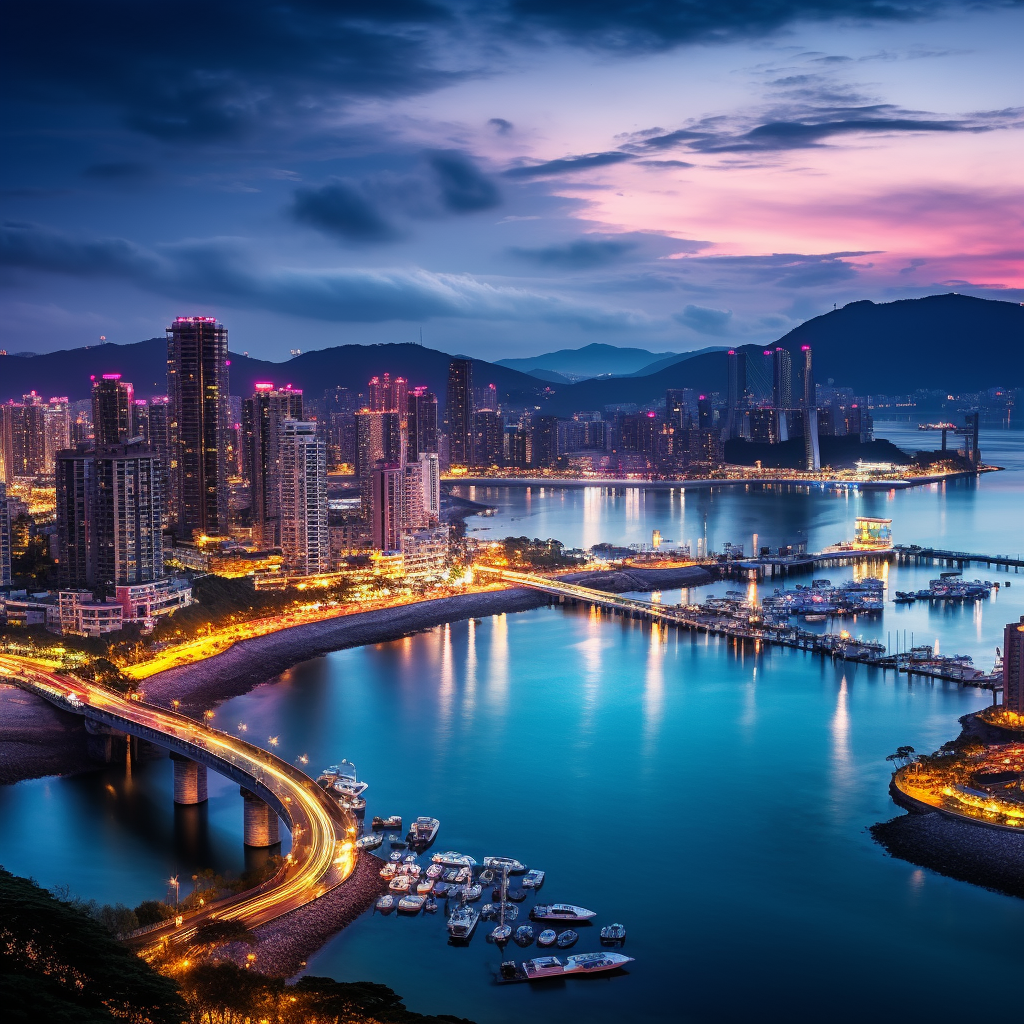
Most travel guides paint Busan as a picture-perfect coastal city where mountains meet the sea — which isn’t wrong, exactly. But after spending three weeks exploring South Korea’s second-largest city, I realised the real story isn’t about postcard views. It’s about a place caught between identities: ancient Buddhist temples sharing skylines with glass towers, street food vendors operating in the shadows of luxury shopping districts, and a city that’s simultaneously Korea’s most relaxed destination and its most industrially vital.
The disconnect between expectation and reality hits you the moment you step off the KTX from Seoul. This isn’t a quaint seaside town — it’s a metropolis of 3.4 million people that happens to have beaches. And that tension between perception and truth makes Busan far more interesting than any brochure suggests.
What you’ll actually get from this guide:
- Honest breakdown of Busan’s mountain hiking routes (and which ones are tourist traps)
- Where to find authentic Korean barbecue that locals actually eat at
- Navigation guide to Busan’s confusing neighbourhood system
- Seasonal timing that actually matters for your experience
- Budget reality check — what things actually cost in 2024
The Mountain-City Dynamic That Actually Works
Geumjeongsan and Hwangnyeongsan aren’t just scenic backdrops — they’re the reason Busan’s urban planning makes sense. Unlike Seoul’s sprawling uniformity, Busan’s geography forced architects and planners to work around natural barriers, creating distinct districts with genuine character.
Geumjeongsan, at 801 metres, dominates the northern skyline and offers the city’s best hiking. The main trail to Beomeosa Temple takes about 90 minutes of steady climbing, but here’s what guidebooks don’t mention: start before 8am or after 3pm. The midday crowds turn peaceful mountain paths into congested queues, and the temple complex becomes insufferably busy.
From the summit, you’ll see why Busan developed as it did. The mountains channel the city’s growth toward the coast, creating natural boundaries between neighbourhoods. Haeundae’s high-rises make sense when you realise they’re built on the only flat coastal land large enough for dense development. The industrial ports of Gamman and Dadaepo exist because they’re the only deep-water access points not blocked by rocky coastline.
Hwangnyeongsan, slightly shorter at 427 metres, offers better sunset views and fewer crowds. The cable car option exists but skip it — the 45-minute hike up is gentle enough for most fitness levels and gives you perspective on how the city flows around natural obstacles rather than bulldozing through them.
Korean Barbecue: Beyond the Tourist Restaurants
Korean barbecue in Busan operates on two completely different levels. There’s the sanitised, English-menu version served in Haeundae and Seomyeon that tourists Instagram, and then there’s the real thing: neighbourhood galbi joints where you’ll burn your fingers on metal tongs and nobody speaks English.
The best barbecue I found was at a no-name place in Choryang-dong, identifiable only by the permanent queue of locals and the smell of charcoal smoke. No reservation system, no tourist-friendly service — just perfectly marbled beef, proper banchan (side dishes), and the understanding that you’ll spend at least two hours there. Expect to pay around 35,000-45,000 won per person for quality beef.
Here’s what actually matters when choosing a barbecue restaurant:
- Charcoal vs gas: Charcoal takes longer but produces better flavour. Tourist restaurants use gas for speed.
- Banchan quality: Fresh kimchi, properly fermented. If it tastes like it came from a jar, leave.
- Meat sourcing: Ask for han-u (Korean beef) if budget allows, but good galbi from imported beef is still excellent.
- Ventilation: You’ll smell like smoke regardless, but proper extraction systems matter for comfort.
The beef-with-lettuce combination (usually called ssam) isn’t a separate dish — it’s how you eat barbecue. The lettuce acts as a vessel for grilled meat, rice, and various condiments. Master the fold: meat in the centre, add ssamjang (fermented bean paste), fold like a taco, eat in one bite. Trying to eat it in multiple bites marks you as inexperienced.
Kimchi Reality Check: What You’re Actually Eating
Kimchi isn’t a single dish — it’s a category encompassing dozens of fermented vegetable preparations. What most visitors encounter is baechu-kimchi (napa cabbage kimchi), but Busan’s coastal location means you’ll also find excellent kkakdugi (cubed radish kimchi) and seasonal varieties using local ingredients.
The kimchi served at most restaurants is factory-made and mild enough for tourist palates. Real kimchi — the kind made in small batches and properly fermented — has a depth of flavour that ranges from funky to fiery. You’ll find authentic versions at traditional markets like Jagalchi or Gukje, where ajummas (middle-aged women) sell their own preparations.
Timing matters with kimchi. Fresh kimchi is crunchy and sharp. Aged kimchi (over three weeks) develops complex, sour notes that work better in stews than as banchan. Most restaurants serve kimchi that’s 5-7 days old — the sweet spot for balance between crunch and flavour development.
“If you can eat the kimchi without your eyes watering, it’s either too mild or you’re not in Kansas anymore. Proper kimchi should make you sweat a little.” — Elderly vendor at Jagalchi Market
The PSY Phenomenon: How K-Pop Changed a City
“Gangnam Style” didn’t just make PSY globally famous — it transformed how Busan marketed itself internationally. In 2012-2014, PSY’s image was everywhere: airport advertisements, subway stations, tourist information centres. The song’s success opened doors for Korean cultural exports that Busan leveraged aggressively.
The impact wasn’t just marketing. International tourist numbers to Busan jumped 40% in the two years following “Gangnam Style,” forcing rapid infrastructure development. The Busan Cinema Center, BEXCO convention centre, and several Haeundae high-rises accelerated their completion schedules to handle increased visitor capacity.
Today, the obvious PSY advertising has disappeared, but the infrastructure changes remain. The city invested K-pop success into permanent improvements: better English signage, expanded subway lines, and cultural centres designed to showcase Korean entertainment. The Korean Wave (Hallyu) made Busan a beneficiary of Seoul’s cultural exports without requiring its own entertainment industry.
Walk through Seomyeon or Haeundae today and you’ll see the lasting effects: karaoke rooms (noraebang) on every block, K-pop merchandise shops, and restaurants capitalising on Korean food trends that gained international recognition through cultural exports.
Beomeosa Temple: Ancient Peace in an Urban Setting
Built in 678 AD, Beomeosa Temple survived Japanese invasions, Korean War bombing, and urban encroachment to remain Busan’s most significant Buddhist site. The temple complex sits halfway up Geumjeongsan, accessible by hiking trail or bus route 90.
The main hall (Daeungjeon) contains original 17th-century architecture, but what makes Beomeosa special isn’t its age — it’s its function as an active monastery. This isn’t a museum. Monks live here, conduct daily ceremonies, and welcome serious practitioners for meditation retreats.
Visit timing affects your experience dramatically:
- Early morning (6-8am): Join morning prayers, minimal crowds, best light for photography
- Midday (10am-2pm): Tour groups dominate, ceremonies disrupted, avoid if possible
- Late afternoon (4-6pm): Quieter, good for contemplation, evening prayers at 6pm
The temple operates a temple stay programme for overnight visitors interested in Buddhist practice. It’s not a cultural experience — it’s religious participation requiring 5am wake-ups, meditation sessions, and vegetarian meals. Book through the official website at least two weeks ahead.
Yongdusan Park: Tourist Trap or Worth the Climb?
Yongdusan Park sits atop a small mountain in Jung-gu, accessible by hiking trail, escalator system, or cable car. The park contains Busan Tower (similar to Seoul Tower but smaller), various monuments, and panoramic city views. Tourist literature presents it as essential viewing. Reality is more complex.
The view is genuinely excellent — you can see Busan’s port operations, the bridge to Yeongdo island, and how the city’s districts fit together geographically. But the park itself feels like a 1980s theme park that hasn’t been updated. Busan Tower charges admission (8,000 won) for views barely better than the free observation areas surrounding it.
Go for the geography lesson, not the attractions. The elevated perspective helps you understand Busan’s layout better than any map. See how Nampo-dong’s markets connect to the port, how Haeundae beach relates to the business district, and why certain neighbourhoods developed where they did.
Skip the tower itself unless weather is particularly clear. The best photo opportunities are from the free viewing areas, and the tower’s interior is generic tourist fare.
Haeundae Beach: Overhyped but Strategically Important
Haeundae gets disproportionate attention in Busan tourism marketing, but it’s not the city’s best beach — it’s the most developable one. The wide, flat coastline allowed for hotel construction and beach infrastructure that other Busan beaches couldn’t support.
In summer, Haeundae becomes uncomfortably crowded. Beach space disappears under umbrellas and temporary vendors. The water quality suffers from urban runoff and sheer volume of users. If your goal is beach relaxation, Dadaepo or Songdo beaches offer better experiences with fewer crowds.
Haeundae’s value isn’t the beach itself — it’s the concentration of amenities. High-end hotels, international restaurants, shopping centres, and convenient subway access make it Busan’s most tourist-friendly district. Use it as a base for exploring other areas rather than a destination itself.
The annual sand festival (usually July) temporarily transforms Haeundae into something special, with elaborate sand sculptures and cultural performances. For that one week, the crowds and chaos make sense. Outside of festival season, treat Haeundae as a convenient place to sleep, not a reason to visit Busan.
Jagalchi Fish Market: Authentic Chaos Worth Navigating
Jagalchi claims to be Korea’s largest fish market, and after navigating its labyrinthine passages for a morning, I believe it. This isn’t a sanitised market hall for tourists — it’s a functioning wholesale operation where Busan’s restaurants source their seafood.
The ground floor handles live seafood: tanks of swimming fish, crabs in plastic baskets, and vendors who assume you know what you want. Upstairs, restaurants prepare whatever you buy below, though communication can be challenging without Korean language skills. Prices aren’t fixed — negotiate, especially for expensive items like king crab or abalone.
What to order if you’re overwhelmed:
- Hoe (raw fish): Korean-style sashimi, served with vegetables and rice
- Haemul jjim: Steamed seafood with vegetables, good for sharing
- Grilled fish: Whatever looks freshest, prepared simply
Expect to pay 25,000-40,000 won per person for a substantial meal. The vendors are more interested in volume sales to restaurant buyers than individual tourists, so don’t expect patient explanation of every item.
Gamcheon Culture Village: Instagram vs Reality
Gamcheon Culture Village transformed from a hillside slum into an artistic destination through government investment and community organisation. Colourful houses, murals, and narrow alleys create photogenic scenes that dominate Busan social media feeds.
The artistic transformation is genuine — local artists created most murals, and community organisations run many shops and cafés. But the village’s success created its own problems. Tourist crowds strain the narrow streets, and residents deal with constant foot traffic through their neighbourhood.
Visit early morning (before 10am) for better photo opportunities and less intrusion on daily life. The village is small — you can see everything in 90 minutes. Don’t expect deep cultural insight; this is primarily a visual experience designed for casual tourism.
The best approach treats Gamcheon as one stop on a broader exploration of Busan’s working neighbourhoods rather than a destination requiring half a day. Combine it with nearby Jagalchi Market or a walk through Choryang-dong’s residential streets for better context about how ordinary Busan residents live.
Seasonal Timing That Actually Affects Your Trip
Busan’s climate follows predictable patterns that dramatically impact visitor experience. Most travel advice mentions this in passing, but seasonal differences here are more extreme than many realise.
Summer (June-August) brings stifling humidity, frequent rain, and oppressive crowds. Hotel prices triple during peak season, and outdoor activities become uncomfortable by midday. The beaches are packed, hiking trails become dangerous due to heat, and air quality deteriorates.
Autumn (September-November) provides the best weather for outdoor activities. Clear skies, comfortable temperatures, and excellent visibility for mountain hiking. This is peak photography season — the clear air allows proper skyline shots and mountain views that are hazy other times of year.
| Season | Temperature | Pros | Cons | Best For |
|---|---|---|---|---|
| Spring (Mar-May) | 15-22°C | Mild weather, fewer crowds | Variable conditions | Temple visits, general exploration |
| Summer (Jun-Aug) | 25-30°C | Beach season, long days | Humidity, crowds, high prices | Beach activities (if you must) |
| Autumn (Sep-Nov) | 15-23°C | Clear skies, perfect hiking | Short season | Photography, outdoor activities |
| Winter (Dec-Feb) | 2-10°C | Low prices, authentic experience | Cold beaches, limited hours | Indoor attractions, local culture |
Winter (December-February) sees dramatically fewer international visitors, which makes it ideal for authentic local experiences. Restaurants serve seasonal specialties, markets operate without tourist crowds, and accommodation prices drop to reasonable levels. Pack warm clothing — Busan’s coastal location doesn’t prevent winter from being genuinely cold.
Getting Around: Navigation Reality Check
Busan’s public transport system works well once you understand its logic, but the city’s geography creates confusion for first-time visitors. Unlike Seoul’s grid system, Busan’s routes follow coastal curves and mountain contours.
The subway system covers major districts but walking distances between stations can be substantial. Line 1 runs east-west along the coast, connecting most tourist destinations. Line 2 heads inland toward Geumjeongsan and university areas. Line 3 serves newer residential districts and may not be useful for short visits.
Bus routes provide better coverage but require Korean language skills for effective use. The city bus app works in English but doesn’t always reflect real-time delays or route changes. For tourist purposes, combine subway travel with walking and occasional taxi rides.
Taxi costs are reasonable (starting fare 3,800 won), but traffic congestion during rush hours makes subway travel faster for longer distances. International ride-sharing apps don’t operate in Busan — use the local Kakao Taxi app or hail traditional taxis.
Budget Reality: What Things Actually Cost
Busan is significantly cheaper than Seoul for accommodation and dining, but tourist-focused areas inflate prices substantially. Budget accordingly based on where you plan to spend time.
Accommodation ranges from 25,000 won for basic guesthouses to 200,000+ won for luxury hotels in Haeundae. Mid-range business hotels in Seomyeon or Nampo-dong offer the best value at 60,000-80,000 won per night with good location and amenities.
Food costs vary dramatically by venue type:
- Street food: 3,000-8,000 won per item
- Local restaurants: 8,000-15,000 won per meal
- Tourist restaurants: 20,000-35,000 won per meal
- High-end dining: 50,000+ won per person
Transportation costs are minimal — unlimited daily subway passes cost 4,500 won, and most tourist destinations are walkable from subway stations. Budget 50,000-70,000 won per day for comfortable mid-range travel including accommodation, meals, and activities.
What I’d Skip (And Why)
After three weeks exploring Busan, several commonly recommended attractions proved disappointing or skippable:
- Haedong Yonggungsa Temple: Scenic coastal location but constantly crowded, difficult parking, and primarily designed for bus tours rather than contemplation
- Busan Tower admission: The tower views aren’t significantly better than free observation areas in the same park
- Spa Land Centum City: Expensive tourist trap with artificial atmosphere — local jjimjilbangs offer authentic experiences at fraction of the cost
- Taejongdae by tour bus: The coastal scenery is beautiful, but organized tours rush through without allowing proper exploration time
- Haeundae Beach in summer: Overcrowded to the point of being unpleasant, with better beach experiences available at less touristy locations
- Generic Korean barbecue in Haeundae: Overpriced and mild compared to authentic neighbourhood options
Frequently Asked Questions
How many days do you need in Busan?
Three to four days covers the essential experiences without feeling rushed. Two days feels hurried, while more than five days requires specific interests like hiking or beach activities to justify the time. Most first-time visitors find four days ideal for seeing major attractions plus some authentic local experiences.
Is Busan worth visiting if you’re already going to Seoul?
Yes, but for different reasons than most guides suggest. Busan offers a more relaxed pace and coastal scenery that Seoul lacks, but don’t expect a completely different cultural experience. The value comes from seeing how Korean urban development adapts to different geography, not from radically different food or culture.
Can you visit Busan without speaking Korean?
Basic tourist activities are manageable with English, but authentic local experiences require some Korean phrases or translation apps. Haeundae and Seomyeon have English signage, while traditional markets and neighbourhood restaurants operate primarily in Korean. Learn basic food terms and politeness expressions for better experiences.
What’s the best base location for first-time visitors?
Seomyeon offers the best balance of convenience, authentic local atmosphere, and reasonable prices. It’s the city’s actual centre with excellent subway connections, while Haeundae is primarily a tourist district. Nampo-dong works well for market access but can be noisy at night.
Is Busan safe for solo travellers?
Extremely safe by international standards. Violent crime affecting tourists is virtually nonexistent, and locals are generally helpful despite language barriers. Standard urban precautions apply, but safety concerns shouldn’t influence your travel decisions about Busan.
How difficult is the day trip to Busan from Seoul?
The KTX high-speed train makes the journey in 2 hours and 40 minutes, but a day trip only allows for surface-level tourism. You’ll spend nearly six hours traveling for perhaps six hours in Busan. Consider it only if your Seoul itinerary has extra time and you specifically want coastal scenery.
Key Takeaways
- Busan works best when you understand it as a working port city with tourist attractions, not a tourist city that happens to have ports
- Authentic Korean barbecue experiences require venturing beyond English-menu restaurants in tourist districts
- The mountain-urban landscape creates distinct neighbourhoods with genuine character differences
- Seasonal timing affects your experience more dramatically than in most cities — autumn provides the best conditions
- Skip the obvious tourist traps and focus on experiences that show how Koreans actually live and eat
- Three to four days allows for both major attractions and authentic local experiences without feeling rushed
- Public transport works well but walking distances between attractions can be substantial due to geographic constraints
Busan rewards visitors who approach it as a complex urban destination rather than a simple beach-and-mountains getaway. The city’s greatest asset isn’t any single attraction, but its demonstration of how Korean urban development adapts to challenging geography while maintaining cultural continuity. That’s worth experiencing, even if it takes more effort than following standard tourist routes.