 abujiggy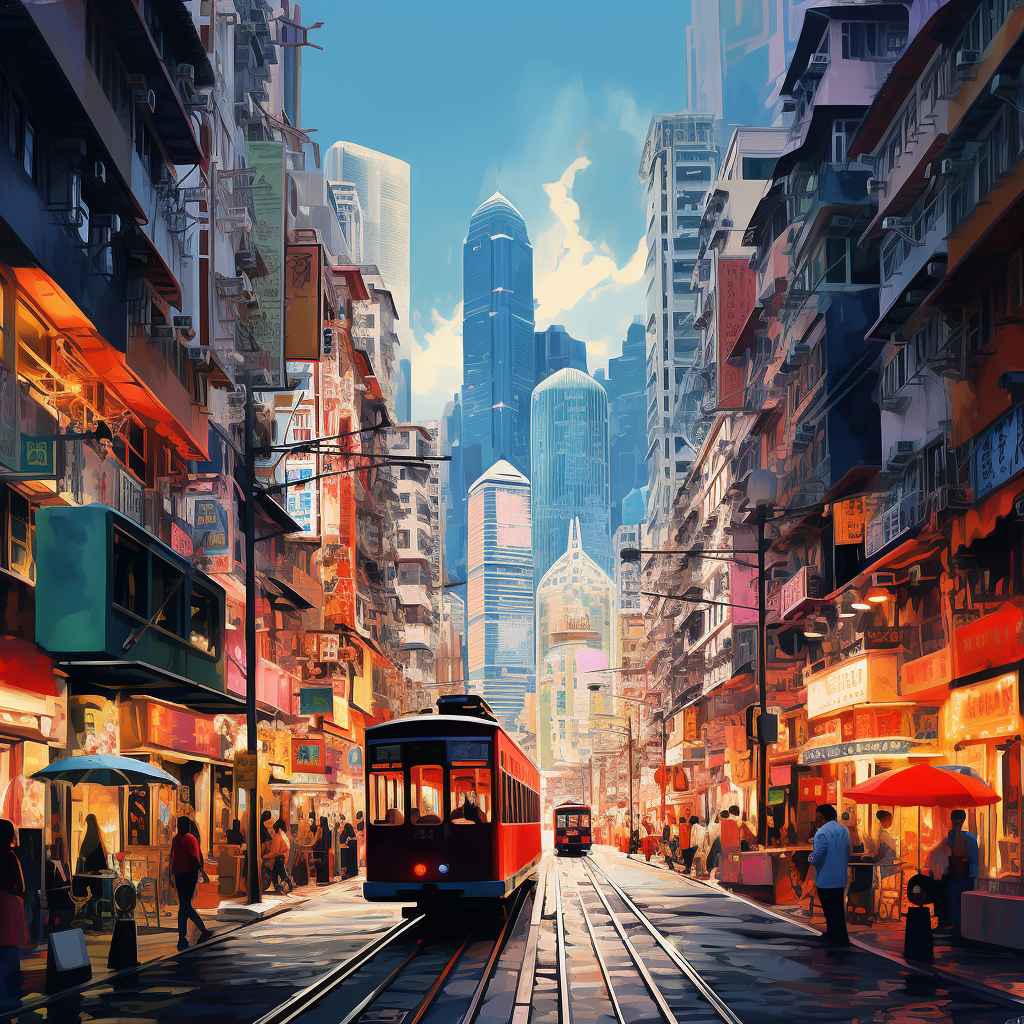
I touched down in Hong Kong in 2013 expecting a standard airport layover. Instead, I found myself face-to-face with one of Asia’s most compelling urban experiences — a city that somehow manages to be both relentlessly modern and deeply traditional, all compressed into 1,104 square kilometres of vertical ambition.
The problem with most Hong Kong guides is they either focus on surface-level tourist traps or get lost in the weeds of neighbourhood histories. What you actually need is an honest assessment of what makes this city work — and what doesn’t — from someone who’s experienced both the initial rush and the inevitable reality check.
What you’ll actually get from this:
- Realistic expectations for your first Hong Kong experience, including the transport chaos you’ll face
- An honest take on the city’s most hyped attractions versus the ones that actually deliver
- Practical insights on navigating Hong Kong’s unique East-meets-West culture without falling into tourist traps
- Real-world advice on timing, budgeting, and making the most of limited time
- Why the 2013-2014 era might have been Hong Kong’s sweet spot — and what’s changed since
The Red Taxi Reality Check: Your First Hong Kong Lesson
Those iconic red taxis lined up outside Hong Kong International Airport? They’re simultaneously your best friend and your biggest frustration. I remember being struck by how organised the queue system appeared — neat rows of crimson vehicles waiting with almost military precision. The reality is more complicated.
Hong Kong’s taxi system operates on three colour codes: red for urban areas (where you’ll spend most of your time), green for the New Territories, and blue for Lantau Island. The red taxis can legally pick up anywhere in Hong Kong and Kowloon, but many drivers prefer shorter, more profitable routes. This means your airport journey might involve some negotiation, particularly if you’re heading somewhere less central.
The journey from the airport typically costs HK$300-500 (roughly US$38-64) depending on your destination and traffic conditions. What nobody tells you is that Hong Kong taxi drivers often don’t speak much English, so having your destination written in Chinese characters is essential. The taxi ride does offer genuine value though — watching the city unfold through those windows provides a compressed introduction to Hong Kong’s urban density that no guidebook can replicate.
Pro tip I learned the hard way: Always carry small bills. Hong Kong taxi drivers rarely have change for large notes, and there’s nothing quite like the awkwardness of a fare dispute at your hotel entrance.
Why the Airport Express Might Be Your Better Option
While those red taxis make for a photogenic introduction, the Airport Express train often provides a more reliable experience. The 24-minute journey to Central Station costs HK$115 and runs every 15 minutes. More importantly, it connects to Hong Kong’s excellent MTR system, which will become your primary mode of transport.
The Airport Express offers something taxis don’t: predictability. Traffic in Hong Kong can be absolutely brutal, particularly during morning and evening rush hours. I’ve experienced taxi journeys that took 90 minutes during peak times versus the consistent 24-minute train journey.
The trade-off is atmosphere. The Airport Express is efficient but sterile — you miss the street-level introduction that a taxi provides. For first-time visitors, I’d actually recommend taking a taxi on arrival (when you have time to appreciate the journey) and the Airport Express for departure (when efficiency matters more).
The Apple Store Phenomenon: IFC Mall and Tech Tourism
In 2013-2014, Hong Kong’s Apple Store in the IFC Mall represented something significant about the city’s position in the global tech ecosystem. This wasn’t just another retail location — it was a statement about Hong Kong’s role as Asia’s premium shopping destination and its relationship with Western technology brands.
The store’s design embodied everything Hong Kong aspired to be: sleek, international, and seamlessly integrated into the city’s financial heart. Located on the ground floor of the International Finance Centre, it sat literally beneath some of Asia’s most important banking offices. The symbolism wasn’t subtle.
What made the Hong Kong Apple Store special in 2014 was timing. This was the era of the iPhone 5s and the original iPad Air — products that felt genuinely revolutionary. The store served as a meeting point for Hong Kong’s tech-savvy population, but also as a pilgrimage site for mainland Chinese visitors who couldn’t easily access these products at home.
Today, the dynamic has shifted significantly. Apple products are widely available across Asia, and the novelty of the Hong Kong store has diminished. But visiting still offers insights into consumer culture in one of the world’s most densely populated cities. The energy remains palpable, particularly on weekends when families treat the store as entertainment.
Decoding Hong Kong’s Vertical Ambition: The Skyline Experience
Hong Kong’s skyline isn’t just impressive — it’s historically significant. In 2013, the city boasted more buildings over 500 feet tall than any other city in the world. This vertical density wasn’t accidental; it was the result of geography, policy, and economics converging in unique ways.
The skyline I experienced in 2013 represented peak Hong Kong confidence. The International Commerce Centre (ICC) had recently opened, adding 484 metres of glass and steel to the Kowloon side. The Bank of China Tower, designed by I.M. Pei, still dominated the Hong Kong Island skyline with its distinctive geometric profile. Central Plaza’s pyramid-topped 374 metres remained visible from virtually every vantage point.
But here’s what most skyline photography misses: Hong Kong’s buildings aren’t just tall, they’re incredibly narrow by international standards. Land scarcity forced developers to build up, not out, creating a unique urban environment where residential towers squeeze into spaces that would house single-family homes elsewhere.
| Building | Height (metres) | Completed | Best viewpoint |
|---|---|---|---|
| International Commerce Centre | 484 | 2010 | Victoria Peak |
| Two International Finance Centre | 415 | 2003 | Tsim Sha Tsui Promenade |
| Central Plaza | 374 | 1992 | Victoria Harbour |
| Bank of China Tower | 367 | 1990 | Any angle |
Victoria Peak: The View Everyone Gets Wrong
Victoria Peak offers Hong Kong’s most famous viewpoint, but most visitors approach it completely wrong. The standard tourist route involves queuing for the Peak Tram (often 60-90 minutes during peak times), riding to the top, and joining hundreds of other photographers at the Sky Terrace.
This approach delivers disappointing results. The Sky Terrace costs HK$99 for adults and provides views that are only marginally better than the free viewing areas nearby. More importantly, the best skyline photography happens during the 30 minutes after sunset — precisely when the paid viewing areas are most crowded.
The alternative approach I discovered by accident in 2013: take bus 15 from Central or Admiralty. It costs HK$9.80, takes about 45 minutes, and deposits you at the same elevation as the Peak Tram without the queues. The bus journey itself offers constantly changing perspectives of the city as it winds up the mountain.
For photography, skip the Sky Terrace entirely. The free viewing area near the Peak Circle Walk provides equally dramatic angles without the crowds. Better yet, walk 15 minutes along the circle walk to find completely empty spots with unique perspectives of the harbour.
Tsim Sha Tsui: The Waterfront That Actually Works
The Tsim Sha Tsui waterfront promenade deserves recognition as one of urban planning’s genuine successes. Unlike many waterfront developments that feel sterile or commercialised, the TST promenade maintains an authentic relationship between the city and its harbour.
The promenade stretches for about 1.5 kilometres along Kowloon’s shoreline, offering unobstructed views of Hong Kong Island’s financial district. What makes it special is the lack of barriers — both physical and economic. There are no admission fees, no restricted areas, and no mandatory purchases. You can spend hours here without spending money.
The evening Symphony of Lights show, held nightly at 8pm, attracts crowds but doesn’t overwhelm the space. I found the 30 minutes before the show more interesting than the show itself — watching Hong Kong’s evening commute wind down while the city’s lights gradually take precedence over daylight.
Practical considerations: the promenade can be incredibly crowded on weekends and holidays. Weekday evenings offer the best balance of atmosphere and space. The walk from the Star Ferry terminal to the Avenue of Stars takes about 20 minutes at a leisurely pace.
The East-Meets-West Cliché That’s Actually True
Every Hong Kong guide mentions the city’s East-meets-West character, and most dismiss it as marketing speak. Having experienced it firsthand, I can confirm it’s both clichéd and absolutely accurate — but not in the ways most guides suggest.
The real East-meets-West dynamic isn’t found in tourist-friendly cultural exhibits or heritage trails. It’s in the mundane details of daily life. Traditional dim sum restaurants operate alongside international coffee chains, but they don’t necessarily blend — they coexist in parallel systems that rarely intersect.
I noticed this most clearly in Hong Kong’s approach to queuing. The city maintains distinctly British-influenced queue discipline (stand right on escalators, wait for trains to empty before boarding) while operating at a pace and density that’s purely Asian. The result is organised chaos that somehow functions efficiently.
Language provides another example. Hong Kong’s trilingual reality (Cantonese, English, and increasingly Mandarin) creates interesting cultural negotiations. Street signs, official documents, and business communications default to bilingual presentation, but casual conversation might switch between languages mid-sentence depending on context and audience.
Hong Kong’s Food Scene: Beyond the Obvious
Hong Kong’s reputation for food excellence is well-established, but the city’s dining landscape in 2013-2014 was particularly dynamic. This was the era when Hong Kong’s traditional cha chaan tengs (tea restaurants) were facing pressure from rising rents while international chains were expanding aggressively.
The food courts in shopping malls like IFC or Pacific Place offered surprisingly sophisticated options alongside familiar international brands. These weren’t food courts in the American mall sense — they were legitimate dining destinations where office workers grabbed quick meals between meetings.
Street food remained excellent but required local knowledge to navigate safely. The curry fish balls, egg waffles, and stinky tofu from street vendors provided authentic flavours at budget prices (typically HK$10-30 per item), but knowing which vendors maintained proper food safety standards wasn’t obvious to visitors.
- Dim sum: Best experienced at traditional tea houses rather than hotel restaurants
- Roast duck: Look for shops with ducks hanging in the window — visible preparation indicates freshness
- Milk tea: The local version is stronger and sweeter than expected
- Egg tarts: Portuguese-influenced but distinctly Hong Kong in execution
- Wonton noodles: Simple but technically demanding — quality varies dramatically
Shopping: The IFC Mall Experience
The IFC Mall, where that famous Apple Store resided, represented Hong Kong’s positioning as Asia’s premium retail destination. In 2013, it housed brands and flagship stores that weren’t available elsewhere in the region, making it a genuine shopping destination rather than just another mall.
The mall’s connection to the Airport Express, Central Station, and the Star Ferry created a transportation hub that made sense for both locals and visitors. You could realistically shop, eat, and catch transportation to your next destination without leaving the complex.
However, the IFC Mall also highlighted Hong Kong’s cost-of-living challenges. Prices for international brands matched or exceeded those in London or New York, while local wages hadn’t kept pace. The mall increasingly catered to wealthy tourists rather than local residents.
The mall’s design philosophy — open spaces, natural light, integration with transportation infrastructure — influenced retail development across Asia. But it also represented the sanitisation of Hong Kong’s traditionally chaotic street-level retail culture.
Transportation: Mastering the MTR System
Hong Kong’s Mass Transit Railway (MTR) system earned recognition as one of the world’s most efficient urban transport networks, and the reputation was deserved. In 2013, the system achieved 99.9% on-time performance while moving over 4 million passengers daily.
The Octopus Card, introduced in 1997, had evolved into something approaching a universal payment system. Beyond train fares, it worked for buses, trams, ferries, parking meters, and most retail transactions. The convenience was genuinely revolutionary for visitors accustomed to multiple payment systems.
However, the MTR’s efficiency came with trade-offs. The system prioritised capacity and speed over comfort. During rush hours (7:30-9:30am and 5:30-7:30pm), carriages became uncomfortably crowded. The air conditioning struggled to maintain comfortable temperatures when fully loaded.
Navigation required some learning. Station names were announced in Cantonese, Mandarin, and English, but the English pronunciations didn’t always match tourist expectations. Platform signage was excellent, but understanding the system’s logic (colour-coded lines, interchange procedures) took a few journeys to master.
Essential MTR routes for first-time visitors:
- Tsuen Wan Line (red): Connects Central, Tsim Sha Tsui, and Mongkok
- Island Line (blue): Runs along Hong Kong Island’s north shore
- Airport Express (green): Direct airport connection with minimal stops
- Tung Chung Line (orange): Alternative route to Lantau Island attractions
Timing Your Hong Kong Visit: Seasonal Realities
Hong Kong’s subtropical climate creates distinct visiting seasons that guidebooks often oversimplify. My 2013 transit experience occurred in autumn, which locals consider the optimal visiting period, but each season offers different advantages and challenges.
October through December provides the most comfortable weather — temperatures in the low 20s Celsius, lower humidity, and minimal rainfall. This is also peak tourist season, meaning higher accommodation costs and crowded attractions. The clear weather makes skyline photography more rewarding, but you’ll share every viewpoint with dozens of other photographers.
Summer (June-September) brings intense heat, humidity above 80%, and frequent thunderstorms. However, this is when Hong Kong feels most authentically itself — locals adapt their routines to the climate, creating a different urban rhythm. Shopping malls become social spaces, and outdoor activities shift to early morning or late evening hours.
Winter (January-March) offers cool, dry weather but occasional temperature drops that catch visitors unprepared. Hong Kong’s buildings aren’t designed for heating, so indoor spaces can feel uncomfortably cold. This is budget season for accommodation, and attractions are less crowded.
Budget Planning: The Cost Reality
Hong Kong consistently ranks among the world’s most expensive cities, but budget planning depends heavily on your spending priorities and comfort expectations. In 2013-2014, the cost structure was different from today, but the relative expense categories remain consistent.
Accommodation represented the largest expense, with decent hotel rooms starting around HK$800-1,200 per night in central locations. Budget hostels offered dormitory beds for HK$200-400, but private rooms in the same properties often cost nearly as much as budget hotels.
Food costs varied dramatically by venue type. Street food and local restaurants offered excellent value — a filling meal for HK$30-60. Mid-range restaurants typically charged HK$100-200 per person, while international dining could easily exceed HK$500 per person before drinks.
Transportation remained relatively affordable. An Octopus Card with HK$200 credit covered several days of MTR travel plus miscellaneous purchases. Taxis were expensive but not prohibitive for occasional use.
| Category | Budget Range (HK$) | Mid-Range (HK$) | Luxury (HK$) |
|---|---|---|---|
| Accommodation (per night) | 200-500 | 800-1,500 | 2,000+ |
| Meals (per day) | 100-200 | 300-500 | 800+ |
| Transport (per day) | 30-50 | 50-100 | 200+ |
| Activities (per day) | 0-100 | 100-300 | 500+ |
What I’d Skip Next Time: Common Mistakes
- The Peak Tram during peak hours: The queue experience often lasts longer than the actual journey, and bus 15 delivers you to the same location without the wait.
- Expensive harbour cruises: The Star Ferry costs HK$2.70 and provides essentially the same harbour views as cruises costing ten times more.
- Hotel breakfast buffets: Hong Kong’s street food and local breakfast culture offer better value and more authentic experiences than hotel dining.
- Shopping at tourist-focused markets: Ladies’ Market and Temple Street Night Market price items for tourists rather than locals — better deals exist in neighbourhood markets.
- Booking accommodation without transport connections: Hong Kong’s geography makes transportation access crucial — a slightly more expensive hotel near MTR stations saves time and money.
- Assuming English fluency: While Hong Kong is officially bilingual, many service staff speak limited English — translation apps or written Chinese addresses prevent communication problems.
Frequently Asked Questions
How many days do you need to experience Hong Kong properly?
Three to four days allows you to see major attractions without rushing, assuming you stay in central areas with good transport connections. Two days feels rushed, while more than five days requires venturing beyond the main tourist circuit to justify the time investment.
Is Hong Kong safe for solo travellers?
Hong Kong maintains excellent personal safety standards with low violent crime rates and reliable emergency services. The main risks involve traffic (pedestrian accidents), overpriced tourist services, and getting lost in the MTR system during rush hours. Basic urban awareness handles most situations.
Can you visit Hong Kong without speaking Cantonese?
Yes, but with limitations. Major hotels, tourist attractions, and international restaurants operate in English, but local establishments, street vendors, and taxi drivers often don’t. Learning basic phrases or using translation apps significantly improves the experience.
What’s the best way to get from the airport to the city centre?
The Airport Express train offers speed and reliability (24 minutes to Central Station for HK$115), while taxis provide door-to-door service with city views for HK$300-500. Buses are cheapest (HK$40-60) but take 45-90 minutes depending on traffic and destination.
How expensive is Hong Kong compared to other Asian cities?
Hong Kong consistently ranks among Asia’s most expensive destinations, particularly for accommodation and international dining. However, local food, public transport, and free attractions keep budget travel possible. Expect costs similar to major European cities rather than Southeast Asian destinations.
When is the worst time to visit Hong Kong weather-wise?
July and August bring the most challenging conditions — temperatures above 30°C, humidity over 85%, and frequent thunderstorms. However, this is when air conditioning makes indoor attractions most appealing, and summer evening markets operate with extended hours.
Key Takeaways
- Hong Kong’s efficiency and international character make it an excellent introduction to Asia for Western travellers, but don’t expect it to represent broader Asian experiences.
- The city’s compact size allows comprehensive exploration in 3-4 days, but transportation timing significantly affects your experience quality.
- Budget planning should account for extreme cost variations — local food and transport are affordable, while accommodation and international dining are expensive.
- The East-meets-West character is genuine but manifests in daily life details rather than tourist attractions.
- Hong Kong’s 2013-2014 era represented peak confidence and international accessibility — subsequent political and economic changes have altered the city’s character.
- Free attractions (harbour walks, hiking trails, markets) often provide more authentic experiences than paid tourist sites.
- The MTR system’s efficiency makes up for Hong Kong’s challenging geography, but understanding its logic requires initial learning investment.
Hong Kong remains one of Asia’s most accessible and rewarding urban destinations, provided you approach it with realistic expectations rather than romantic notions. The city’s greatest strength lies not in any single attraction, but in how seamlessly it integrates density, efficiency, and cultural complexity into a functioning urban environment that somehow still feels human-scaled despite its vertical ambitions.