 abujiggy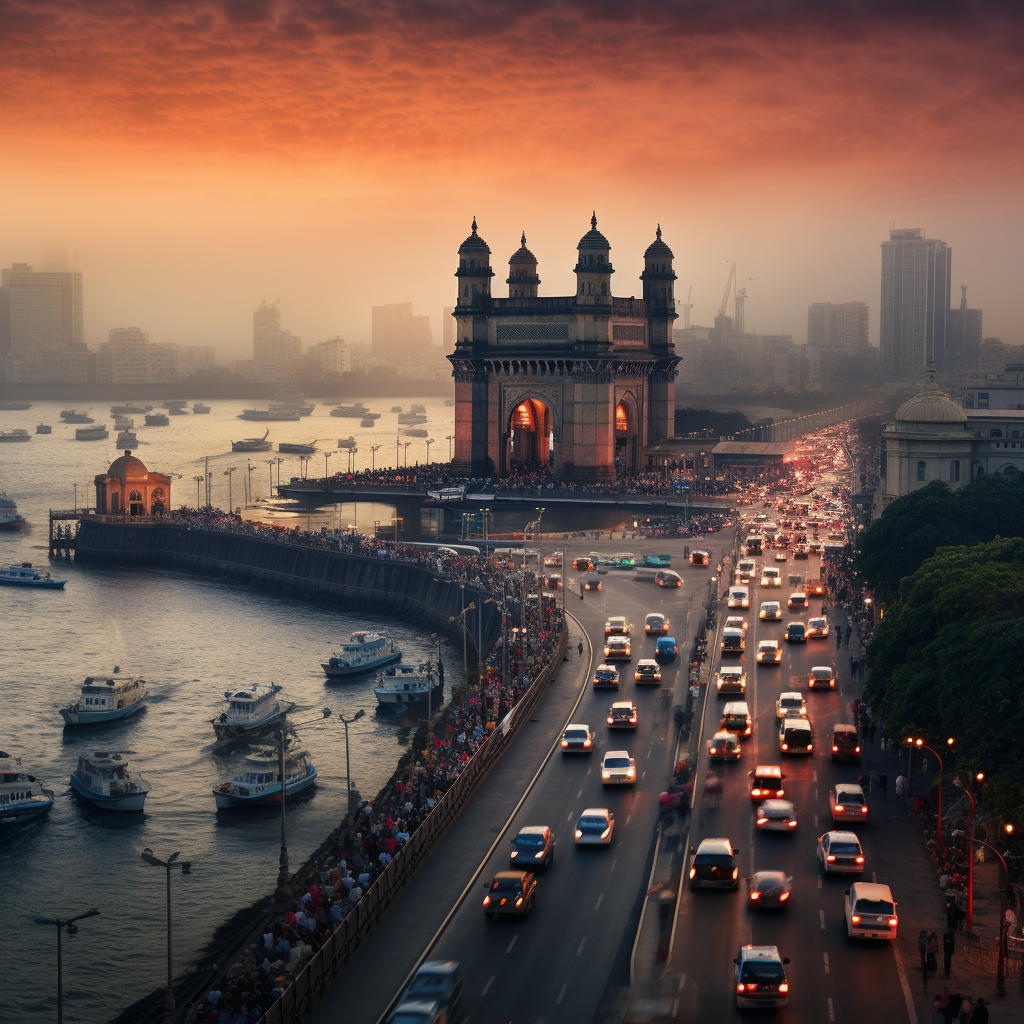
Walking into the Taj Mahal Palace in 2013, I expected luxury. What I didn’t expect was to feel like I’d stepped into a living piece of Mumbai’s soul. This isn’t just another five-star hotel—it’s where India’s independence movement was plotted, where Bollywood legends still hold court, and where the city’s resilience was tested during the 2008 attacks.
Most travellers book the Taj because it’s famous. But after spending several days here, I realised the real story isn’t the opulence (though that’s undeniable)—it’s how this 120-year-old institution continues to define what Mumbai hospitality means.
What You’ll Actually Get From This Guide
- Honest insights into staying at Mumbai’s most iconic hotel, including which room categories are worth the premium
- A breakdown of the hotel’s restaurants and which ones locals actually frequent versus tourist traps
- Practical advice for exploring Colaba and the Gateway of India without the usual crowds
- Real costs in rupees and how to time your visit for maximum value
- Why this particular location makes or breaks your Mumbai experience
The Taj Mahal Palace: Beyond the Instagram Photos
Let’s address the elephant in the room first: yes, this hotel is expensive by Indian standards. Heritage Rooms start around ₹25,000 per night, and Sea View Suites can push ₹80,000+. But after staying in dozens of Mumbai hotels, I can tell you the Taj isn’t just charging for marble floors and chandeliers.
The real value lies in its location and the intangible sense of history. When I walked through the corridors, I passed photographs of everyone from Ratan Tata to Mick Jagger. The staff—many of whom have worked here for decades—treat the hotel less like a workplace and more like a family legacy they’re protecting.
That said, the rooms vary dramatically in quality. The Heritage Wing (the original 1903 building) has character but can feel dated. My Sea View room in the Palace Wing offered modern amenities without losing the colonial charm. The bathrooms alone—Italian marble with rainforest showers—justified half the room rate.
“The Taj isn’t perfect, but it’s irreplaceable. You’re not just staying in a hotel; you’re staying in Mumbai’s living history.”
Navigating the Hotel’s Restaurant Empire
The Taj houses twelve restaurants, and here’s what most guides won’t tell you: half of them are overpriced tourist magnets. After eating my way through most of them, here’s my honest assessment.
Wasabi by Morimoto is genuinely exceptional—possibly Mumbai’s best Japanese restaurant. The black cod with miso (₹3,200) is worth every rupee, but book weeks ahead.
Trishna serves contemporary Indian seafood that even Mumbai’s notoriously picky food critics rave about. The soft-shell crab with curry leaves (₹2,800) redefined how I think about Indian cuisine. It’s pricey but worth it for a special occasion.
Shamiana is where I’d take visiting relatives—reliable, extensive buffets (₹2,500 for dinner), and you won’t embarrass yourself with international guests. However, the à la carte menu is forgettable.
Skip the Sea Lounge entirely unless you’re desperate for afternoon tea with a view. At ₹1,800 for mediocre scones, you’re paying for the ambiance alone.
Decoding Room Categories: What’s Actually Worth It
The hotel’s room hierarchy is deliberately confusing, so here’s the breakdown based on my experience and conversations with frequent guests:
| Room Type | Price Range (₹) | Worth It? | Why |
|---|---|---|---|
| Heritage Room | 25,000-35,000 | Maybe | Historic building but potentially dated bathrooms |
| Palace Room | 35,000-45,000 | Yes | Best balance of luxury and modernity |
| Sea View Room | 50,000-70,000 | Depends | Premium for the view—worth it if you’ll actually use the balcony |
| Grand Presidential Suite | 200,000+ | No | Unless you’re a head of state or celebrating a massive milestone |
My recommendation: Palace Room with partial sea view. You get the modern amenities without paying the full premium for unobstructed ocean views that you’ll likely only admire for five minutes.
The Gateway of India: Beyond the Tourist Scrum
Yes, the Gateway of India is literally next door to the hotel, and yes, it’s perpetually crowded with tourists and touts. But there’s a reason it remains one of Mumbai’s most photographed landmarks—it’s genuinely magnificent, especially at sunset.
Here’s how to experience it properly: visit between 6:30 and 7:30 AM when the light is golden and the crowds are minimal. The arch, built to commemorate King George V’s visit in 1911, looks dramatically different in the morning calm versus the afternoon chaos.
From here, you can catch ferries to Elephanta Caves (₹150 return), but skip the overpriced tourist boats immediately in front. Walk 200 metres south to the regular ferry terminal for the same journey at a fraction of the cost.
The surrounding area transforms after dark. The Gateway becomes beautifully illuminated, and the promenade fills with local families and couples. It’s crowded but in a celebratory way rather than a touristy one.
Colaba: The Good, Bad, and Overpriced
Staying at the Taj puts you in the heart of Colaba, which is both a blessing and a curse. You’re walking distance from some of Mumbai’s best experiences, but you’re also in the city’s most tourist-concentrated area.
Colaba Causeway is the obvious shopping destination, but most of what you’ll find is overpriced tourist tat. However, dig deeper and you’ll discover gems like Phillips Antiques (for genuine colonial-era finds) and Contemporary Arts & Crafts (for quality textiles without the hard sell).
The real Colaba experience happens in the side lanes. Café Mondegar (₹800 for a meal) serves decent Continental food in a setting that hasn’t changed since the 1960s. Bademiya (₹300-500 for kebabs) is a Mumbai institution—go late night when the after-party crowd arrives.
For books, Strand Book Stall is a labyrinth of new and used titles at prices that make London bookshops weep. I spent three hours here and emerged with a stack of Indian literature that cost less than a single hardback back home.
When to Visit: Timing Your Mumbai Experience
Mumbai’s weather is unforgiving for most of the year, but the city’s energy shifts dramatically with the seasons. I’ve visited in different months, and timing matters more than most guides admit.
December to February offers the best weather—dry, relatively cool (22-30°C), and clear skies. This is peak season, so expect higher hotel rates and crowded attractions. The Taj’s Sea View rooms are worth the premium during these months.
March to May is hot and humid but manageable if you’re primarily indoors or by the coast. Room rates drop by 20-30%, and the city feels less touristy. The hotel’s pool area becomes essential rather than optional.
Avoid June to September unless you’re fascinated by monsoons. The romanticism of Mumbai rains wears off quickly when you’re navigating flooded streets. However, the city does look spectacular after a good downpour.
The 2008 Attacks: Confronting History
Any honest review of the Taj must acknowledge the 2008 terrorist attacks that targeted this hotel specifically. Walking through the lobby in 2013, five years after the attacks, I noticed the subtle security measures that now define the experience.
The hotel has been meticulously restored, and you wouldn’t know anything had happened unless you look for it. The staff’s professionalism in handling this history is remarkable—they acknowledge it when asked but don’t dwell on it. The memorial plaques are respectful and understated.
This history doesn’t diminish the hotel; it adds weight to its significance. The fact that the Taj reopened its doors and continues to embody Mumbai’s spirit of resilience makes staying here feel like participating in something larger than a luxury hotel experience.
Exploring Beyond: Marine Drive and Elephanta Caves
The Taj’s location makes it an ideal base for Mumbai’s other must-see attractions, though some are more worthwhile than others.
Marine Drive is a 15-minute taxi ride (₹200-300 depending on traffic) and offers Mumbai’s best sunset views. The Queen’s Necklace—the string of street lights that gives the promenade its nickname—is genuinely spectacular at dusk. Skip the expensive cafes along the drive; instead, buy fresh coconut water from street vendors for ₹30.
Elephanta Caves requires more commitment—a one-hour ferry journey plus a steep climb to 1,500-year-old cave temples. The ferry from Gateway of India costs ₹150 return, but factor in another ₹500 for the toy train or ₹200 if you’re willing to walk. The caves themselves are remarkable, showcasing some of India’s finest rock-cut architecture.
For shopping beyond Colaba, Crawford Market (now officially renamed but still called Crawford by everyone) offers a more authentic experience than touristy areas. It’s chaotic, crowded, and brilliant for spices, fabrics, and people-watching.
Service Standards: What Makes the Taj Different
After staying at numerous five-star hotels across India, the Taj’s service stands apart—not because it’s flawless, but because of how staff handle problems when they arise.
During my stay, the air conditioning in my room failed on a particularly humid day. Within ten minutes of calling, not only was a technician at my door, but the front desk had already prepared a backup room and offered dinner credit as compensation. This level of proactive service isn’t universal in Indian hospitality, even at luxury properties.
The concierge team deserves special mention. They’ll secure restaurant reservations, arrange private tours, and provide genuinely useful local insights rather than standard tourist recommendations. When I mentioned wanting to experience Mumbai’s street food safely, they connected me with a food tour guide who understood international stomachs but didn’t compromise on authenticity.
Transportation and Getting Around Mumbai
The Taj’s Colaba location is both central and slightly removed from Mumbai’s main business districts. Understanding transport options is crucial for making the most of your stay.
Hotel cars are convenient but expensive—expect ₹2,000-3,000 for airport transfers versus ₹800-1,200 for prepaid taxis. However, for evening outings, hotel cars offer security and reliability that’s worth the premium.
Mumbai’s trains are an experience every visitor should try at least once, though not with luggage. Churchgate Station is walkable from the hotel, and the Western Line connects you to most of the city for ₹15-30. Just avoid rush hours unless you enjoy human sardine impressions.
Uber and Ola work well in South Mumbai, though surge pricing during monsoons can be brutal. Traditional black-and-yellow taxis are cheaper but require negotiation and patience.
Common Mistakes to Avoid
- Booking the cheapest room category — Heritage Rooms can be charming but often lack modern amenities you’ll actually want in Mumbai’s heat and humidity
- Eating every meal in the hotel — You’ll miss Mumbai’s incredible street food scene and spend twice what local meals cost
- Visiting during monsoon season without waterproof everything — Mumbai floods regularly, and luxury hotels can’t control Mother Nature
- Ignoring the hotel’s cultural programming — The Taj regularly hosts art exhibitions and cultural events that offer genuine insight into Mumbai’s creative scene
- Tipping like you’re in Europe — Indian service staff depend on tips; ₹100-200 per day for housekeeping and similar amounts for other services are appreciated
- Not booking restaurants in advance — Popular venues like Wasabi require reservations weeks ahead, especially during peak season
Frequently Asked Questions
Is the Taj Mahal Palace worth the premium over other luxury Mumbai hotels?
If location and history matter to you, absolutely. You’re paying for an irreplaceable position next to the Gateway of India and service standards built over 120 years. However, if you just want modern luxury, newer hotels like The St. Regis offer better value for money.
How far in advance should I book?
For the best rates, book 6-8 weeks ahead during peak season (December-February). Last-minute deals sometimes appear during monsoon season, but you’re gambling with availability and weather. Restaurant reservations, especially at Wasabi, should be made when you book your room.
Is it safe for solo female travellers?
Extremely safe. The hotel maintains 24-hour security, and the Colaba area is well-patrolled and tourist-friendly. However, use common sense when exploring Mumbai’s streets alone after dark, and rely on hotel cars rather than random taxis for late-night transport.
Can I visit just for drinks or meals without staying?
Yes, though some restaurants require reservations and smart-casual dress codes. The Sea Lounge is accessible for afternoon tea, and the bars welcome non-guests. Security checks are standard but discrete. Expect Mumbai prices—cocktails start around ₹800.
What’s the real difference between Heritage and Palace Wing rooms?
Heritage Wing is the original 1903 building with period charm but potentially older bathrooms and smaller spaces. Palace Wing is more modern with consistent amenities and better soundproofing. Unless you’re specifically drawn to colonial architecture, Palace Wing offers better practical comfort.
How do I avoid tourist traps in the surrounding area?
Ask hotel concierge for specific recommendations rather than general advice. Avoid restaurants and shops immediately around Gateway of India—walk 10 minutes in any direction for better value. Use the hotel’s reputation to access quality experiences; many of Mumbai’s best venues prioritise Taj guests.
Key Takeaways
- The Taj Mahal Palace is expensive but offers irreplaceable location, service standards, and historical significance that justify the premium for many travellers
- Palace Wing rooms provide the best balance of luxury and modern amenities, while Heritage Wing offers character at the cost of some comfort
- The hotel’s restaurants range from exceptional (Wasabi, Trishna) to overpriced tourist venues—choose carefully based on your priorities
- December to February offers the best weather but highest prices; shoulder seasons can provide excellent value
- The Gateway of India and Colaba area are worth exploring but require timing to avoid crowds and tourist traps
- Service standards and attention to detail set the Taj apart from other luxury hotels in India
- The 2008 attacks are part of the hotel’s history but don’t define the current experience—security is excellent without being intrusive
Five years after my stay, I still think about the Taj’s ability to balance luxury with authenticity. It’s not perfect—no hotel this size and age could be—but it remains the definitive Mumbai hotel experience. Whether that’s worth the premium depends entirely on what you value in travel, but for understanding Mumbai’s soul, there’s nowhere quite like it.