 abujiggy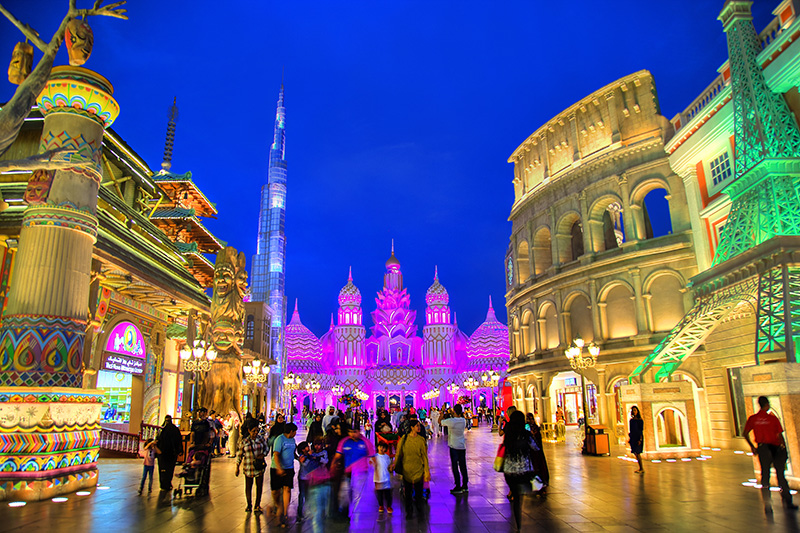
Dubai is a city that thrives on reinvention, a place where the next big thing is always just around the corner. Yet, amidst the gleaming skyscrapers and futuristic ambitions, there’s a persistent pull towards something more… communal. Something that feels less like a meticulously curated experience and more like a vibrant, sprawling bazaar. If you’ve ever found yourself overwhelmed by the sheer scale of Dubai’s luxury offerings and craved a taste of something more grounded, more eclectic, then you’ve likely heard whispers of Global Village.
But is it just another tourist trap, a fleeting seasonal spectacle designed to fleece the unwary? Or is there genuine value to be found amidst the cacophony of sights, sounds, and smells? I’ve spent my fair share of evenings navigating its bustling lanes, haggling for trinkets, and sampling its dizzying array of global cuisines, and I’m here to tell you that the reality is far more nuanced than the marketing suggests.
This guide aims to cut through the noise. We’ll explore what Global Village truly offers, who it’s for, and crucially, how to make the most of your visit without feeling lost or ripped off. Forget the glossy brochures; let’s get down to the practicalities.
What You’ll Actually Get From This Guide (TL;DR)
- A realistic overview of Global Village’s strengths and weaknesses, beyond the hype.
- Practical advice on navigating the vast site, including best times to visit and how to avoid crowds.
- A breakdown of the different country pavilions, highlighting what to expect from each.
- Tips for finding genuine bargains and avoiding tourist-trap pricing.
- Insights into the diverse food and entertainment options available.
The Evolution of a Dubai Icon: From Kiosks to a Global Phenomenon
It’s easy to see Global Village as a permanent fixture of Dubai’s entertainment landscape, but its journey is a testament to the city’s own rapid development. What stands today as a sprawling metropolis of pavilions, stages, and food stalls began, incredibly, as a humble collection of kiosks. Back in January 1997, it was a far cry from the mega-attraction it is now. Located on the Creek Side, opposite Dubai Municipality, its initial purpose was simple: to offer a platform for local artisans and small businesses to showcase their wares. It was a small, intimate affair, a breath of fresh air for those seeking something different from the usual shopping malls.
The charm of those early days, I imagine, was in its simplicity. You could wander, chat with vendors, and perhaps find a unique handicraft. But Dubai, as it always does, had bigger plans. The move to the Oud Metha Area, near the iconic Wafi City, marked a significant step up. For five years, it occupied a larger space, allowing for more vendors and a broader range of products. This period was crucial in establishing Global Village as a recurring event, building a loyal following and gaining a reputation for its seasonal offerings. It was a testing ground, a place where the concept of bringing the world to Dubai in a tangible, accessible format started to truly take shape.
The current location, on Sheikh Mohammed Bin Zayed Road (E 311) at Exit 37 in Wadi Al Safa 4, is where Global Village truly came into its own. This purpose-built site is immense, capable of hosting millions of visitors – and it does. With an average of 6 million visitors annually, it’s not just a local attraction; it’s a global phenomenon. This scale, however, brings both immense opportunity and significant challenges. The sheer size means that while you can experience a taste of dozens of countries, you can also feel incredibly lost. The transition from a few kiosks to a sprawling city-within-a-city is remarkable, but it’s this transformation that warrants a closer look at what it means for the visitor experience today.
Navigating the Labyrinth: When to Go and How to Beat the Crowds
Let’s be frank: Global Village can get busy. Very, very busy. The 6 million visitor figure isn’t just a number; it translates into packed pathways, long queues for popular attractions, and a general sense of cheerful chaos. If your idea of a pleasant outing involves serene strolls and unhurried browsing, you’ll need to strategise. The good news is that seasonality and timing are your greatest allies here.
Global Village operates seasonally, typically from October to April. This is Dubai’s cooler period, making it far more pleasant to explore an outdoor (albeit partially covered) attraction. However, this also means that peak season coincides with the most pleasant weather. My personal preference? Aim for the shoulder months. Visiting in late October or early November, or again in late March, often offers a good balance. The weather is still agreeable, but the frantic rush of December and January might not have fully kicked in, or has started to wane.
Weekdays are undeniably your best bet for a more relaxed experience. While it’s never truly empty, a Tuesday or Wednesday evening will feel significantly less crowded than a Friday or Saturday. If you absolutely must visit on a weekend, try to go earlier in the evening, right around opening time. This allows you to get a head start before the main influx of visitors arrives. Conversely, if you thrive on energy and don’t mind the hustle, a Saturday night is where the real buzz is at. Just be prepared for the crowds and factor in extra time for everything.
Another tactic is to focus your visit. Instead of trying to see every single pavilion and attraction in one go, pick a few areas that genuinely interest you. Perhaps dedicate an evening to exploring the Asian pavilions and sampling their street food, or focus on the European and African sections for unique crafts. This focused approach can make the experience feel less overwhelming and more manageable, even during peak times. Remember, it’s a marathon, not a sprint. You can always come back for another visit if you’re enjoying yourself.
The Grand Tour: A Pavilion-by-Pavilion Breakdown
The heart and soul of Global Village are its pavilions, each designed to represent a different country or region. This is where the ‘global’ in Global Village truly comes alive, offering a curated (though sometimes stereotypical) glimpse into diverse cultures. While the exact lineup can shift slightly year to year, some staples are always present, and each offers a distinct experience. Understanding what to expect from each can help you prioritise and manage your expectations.
The Middle Eastern Stalwarts: UAE, Saudi Arabia, Kuwait, Oman, Yemen
These pavilions often feel like home turf, offering familiar scents and tastes alongside unique regional crafts. You’ll find traditional Emirati clothing, spices, incense, and dates. Saudi Arabia typically boasts a wide array of perfumes, oud, and traditional garments. Kuwait often showcases intricate handicrafts and jewellery. Oman and Yemen present more rustic, artisanal goods, from silver jewellery to traditional daggers (for display, of course). The food here is a safe bet, offering delicious mezze, grilled meats, and regional sweets. These pavilions are great starting points, offering a comfortable entry into the Global Village experience.
The Asian Enclave: India, Pakistan, China, Japan, Korea, Thailand, Philippines
This is arguably the most diverse and bustling section. India’s pavilion is a sensory explosion – vibrant textiles, intricate jewellery, aromatic spices, and a dizzying array of street food. Expect to haggle here; it’s part of the experience. Pakistan often mirrors India’s offerings with beautiful embroidery, leather goods, and more spices. China brings its mass-produced but often fascinating trinkets, electronics, and decorative items, alongside popular snacks. Japan and Korea offer a more refined experience, with skincare products, anime merchandise, unique snacks, and sometimes traditional crafts. Thailand and the Philippines present a mix of handicrafts, clothing, and delicious, often spicy, street food. Be prepared for crowds, especially around the food stalls.
The African Continent: Egypt, Morocco, South Africa, Kenya
Africa’s presence is a vibrant tapestry of colours and textures. Egypt often features papyrus scrolls, alabaster statues, and aromatic spices. Morocco is a highlight for many, with its iconic lanterns, intricate tilework (zellige), leather goods, tagine pots, and vibrant djellabas. South Africa usually offers wood carvings, beaded jewellery, and sometimes biltong. Kenya might showcase colourful Maasai crafts and wooden sculptures. The food here can be a revelation, with tagines, grilled meats, and unique stews. These pavilions often have a more laid-back vibe than their Asian counterparts, offering a chance to appreciate the craftsmanship.
The Americas: USA, Latin America (often grouped)
The USA pavilion is typically a showcase of American pop culture, sportswear, and novelty items. Think branded merchandise, snacks, and perhaps some fast-food options. Latin American pavilions, when present, offer a burst of colour and rhythm. You might find Mexican crafts, Colombian coffee, Peruvian textiles, and Brazilian snacks. These sections can be a bit more hit-or-miss, depending on the specific representation that year, but they often add a welcome splash of vibrancy.
Europe: Turkey, Russia, Eastern Europe (often grouped)
Turkey is a perennial favourite, known for its intricate carpets, ceramics, Turkish delight, and traditional lamps. Russian pavilions often feature matryoshka dolls, traditional clothing, and amber jewellery. Eastern European countries might offer handcrafted wooden items, embroidered textiles, and regional sweets. These pavilions tend to have a more focused offering, often centred around specific crafts and delicacies.
Remember, these are generalisations. The beauty of Global Village is its constant evolution. Always keep an open mind and be prepared to discover something unexpected in any pavilion.
The Great Food Odyssey: A World on a Plate
If there’s one thing that unites visitors at Global Village, it’s the food. Forget fine dining; this is about global street food, regional specialties, and adventurous eating. The sheer variety is staggering, and it’s a culinary journey that can easily take centre stage during your visit. From the familiar comfort of shawarma to the exotic allure of durian, there’s something to tempt every palate – and challenge some too.
The pavilions themselves are often the best place to start for authentic regional flavours. India, as mentioned, is a powerhouse of snacks like pani puri, chaat, and dosas. Pakistan offers hearty karahi and biryani. Thailand is famous for its Pad Thai and mango sticky rice. Morocco will have you salivating over fragrant tagines and couscous. Turkey is a must for baklava and Turkish ice cream (dondurma) that’s as much a performance as a dessert.
Beyond the pavilions, the dedicated food streets and restaurant areas offer a more consolidated experience. Here you’ll find everything from gourmet burgers and pizzas to more niche offerings. I’ve stumbled upon stalls selling authentic Filipino sisig, Korean tornado potatoes, and even exotic ice cream flavours. The key is to be adventurous but also discerning. Look for stalls with queues of people who look like they know what they’re doing (often locals or those who’ve visited before). Prices can vary wildly, so it’s worth a quick scout around before committing.
A word of caution: portion sizes can sometimes be smaller than you might expect, especially for snacks. This is actually a blessing in disguise, allowing you to sample more without getting overly full. Conversely, some main dishes can be quite substantial. My advice? Go with a group and share. This way, you can try a wider variety of dishes and get a true taste of the global offerings. Don’t be afraid to try something you can’t pronounce; it might just be your new favourite discovery.
Entertainment Galore: From Stunt Shows to Cultural Performances
Global Village isn’t just about shopping and eating; it’s a vibrant entertainment hub. The main stage hosts a rotating schedule of concerts, cultural shows, and celebrity appearances. While the big-name concerts are often ticketed separately or require a premium experience, there are plenty of free performances to enjoy throughout the evening. Keep an eye on the daily schedule as soon as you arrive or check the app.
The stunt shows are a perennial favourite, often featuring high-octane action, pyrotechnics, and daring feats. These are usually included in the entry ticket and are a fantastic way to inject some excitement into your visit. Similarly, there are often street performers, parades, and roving entertainers that add to the lively atmosphere. You might catch a traditional dance troupe from one of the pavilions, a magician, or a comedy act.
For families, the Kids’ Zone offers a range of rides and entertainment options, though this is an additional cost. The Carnaval area also features a variety of amusement rides, from gentle carousels to more thrilling roller coasters, again, requiring separate tokens or a wristband.
One of the most enjoyable aspects, for me, is simply soaking in the atmosphere. The blend of music from different pavilions, the chatter of crowds, the calls of vendors, and the occasional burst of laughter creates a unique soundscape. Find a spot, grab a snack, and just watch the world go by. It’s a spectacle in itself, a microcosm of Dubai’s own multicultural energy.
The Art of the Deal: Haggling and Finding Genuine Value
Let’s talk about money. Global Village is often touted as a place for bargains, and while that can be true, it’s also a place where prices can be inflated for tourists. The key to finding value lies in understanding the local customs and employing a bit of savvy negotiation, particularly in the more traditional pavilions.
Haggling is expected and, in many cases, part of the cultural experience, especially in pavilions representing South Asia and parts of Africa. Don’t be shy, but also be respectful. Start by showing genuine interest in the item. Ask the price, and then offer a lower price – typically around 50-60% of the asking price is a good starting point. The vendor will likely counter, and you can meet somewhere in the middle. The goal is to reach a price that feels fair to both parties. If the vendor refuses to budge or you feel the price is still too high, it’s perfectly acceptable to politely walk away. Sometimes, this prompts a better offer.
However, not all pavilions operate this way. In more curated sections, like some European or East Asian pavilions, prices might be fixed. Trying to haggle here can come across as rude. Look for clear price tags or observe how other transactions are conducted. Generally, if an item looks mass-produced or has a clear barcode, it’s likely not up for negotiation.
Beyond haggling, look for value in other ways. The sheer variety means you can often find unique items that you won’t see elsewhere in Dubai. A beautifully crafted lantern from Morocco, a hand-woven rug from Turkey, or intricate silver jewellery from India can be treasures, even if the price isn’t a steal. Also, consider the food. While some snacks might seem pricey for what they are, the ability to sample so many different cuisines in one place offers immense value for the adventurous foodie.
My best advice? Set a budget before you go. Decide how much you’re willing to spend on souvenirs and food. And remember, the most valuable souvenirs are often the memories you make, not just the things you buy. If you find something you truly love and the price feels right *to you*, then it’s a good purchase, regardless of whether you could have shaved a few dirhams off.
Beyond the Pavilions: Rides, Games, and More
While the pavilions are the main draw, Global Village has expanded significantly to include a wider array of attractions. The Carnaval area offers a traditional fairground experience with a mix of classic rides and modern thrill-seekers. There are gentle options for younger children, like the carousel and mini train, as well as more adrenaline-pumping attractions for older kids and adults, including roller coasters and drop towers. You’ll need to purchase tokens or a wristband to access these rides, and the costs can add up quickly, so factor this into your budget if rides are a priority.
Beyond the rides, there are numerous carnival games dotted throughout the park. These are classic ‘test your skill’ type games, offering prizes like oversized stuffed animals. Be warned: these games are notoriously difficult, and the cost per play can be surprisingly high. While they can be fun for a quick go, it’s easy to spend a lot of money here without winning much beyond bragging rights. Approach with caution and perhaps a healthy dose of skepticism.
There’s also often a dedicated Kids’ Zone, which provides a safe and entertaining environment for younger children, with age-appropriate activities and play areas. This is a separate area, usually with its own ticketing system, designed to keep the little ones engaged.
Don’t underestimate the simple pleasure of exploring the less-defined areas. Sometimes, wandering off the main thoroughfares leads to discovering hidden gems – a small artisan stall, a unique food vendor, or simply a quiet corner to observe the bustling crowds. The sheer scale of Global Village means there’s always something new to find, even if it’s not explicitly advertised on the main maps.
What I’d Skip: Common Mistakes to Avoid
While Global Village is a fantastic experience, it’s not without its pitfalls. Having navigated its crowds and curated its offerings, here are a few things I’d advise against:
- Visiting on a Thursday, Friday, or Saturday night without a plan: These are the busiest nights. Unless you thrive in dense crowds and are prepared for long waits, opt for a weekday.
- Trying to see everything in one visit: It’s simply too vast. Focus on a few pavilions or a specific culinary goal to avoid feeling overwhelmed.
- Eating only at the first food stall you see: Prices and quality vary. Take a walk around, compare options, and look for queues of locals.
- Haggling aggressively in fixed-price sections: It’s disrespectful and futile. Learn to distinguish between negotiable and non-negotiable prices.
- Ignoring the daily schedule: You might miss out on fantastic free entertainment, cultural performances, or even celebrity appearances. Check the app or information boards.
- Overspending on carnival games: They are designed to be difficult and profitable for the operators. Enjoy one or two for fun, but don’t expect to win big.
Frequently Asked Questions
What are the operating dates for Global Village?
Global Village typically operates seasonally, usually from October to April. The exact opening and closing dates vary each year, so it’s best to check their official website or social media for the most up-to-date information.
How much does it cost to enter Global Village?
Entry tickets are generally very affordable, often costing around AED 15-20 per person. However, this entry fee does not include the cost of rides, games, food, or shopping within the park.
Is Global Village suitable for families with young children?
Yes, Global Village is very family-friendly. There is a dedicated Kids’ Zone, numerous family-friendly food options, and a generally vibrant atmosphere that children often enjoy. However, be prepared for crowds and consider visiting on a weekday for a more relaxed experience.
Can I use credit cards inside Global Village?
While many individual vendors and stalls may accept cash only, larger restaurants, shops, and the Carnaval area often accept credit cards. It’s always advisable to carry some cash for smaller purchases and food stalls, as card acceptance can be inconsistent.
How do I get to Global Village?
Global Village is located on Sheikh Mohammed Bin Zayed Road (E 311). It is easily accessible by car, with ample parking available. Dubai Taxi and ride-sharing services (like Uber and Careem) are also readily available and a convenient option for reaching the venue.
What is the best time of day to visit?
For a less crowded experience, aim to arrive shortly after opening on a weekday. If you prefer a livelier atmosphere and don’t mind crowds, evenings, especially on weekends, offer the most vibrant experience. The park is generally open from late afternoon until late at night.
Key Takeaways
- Global Village has evolved from humble beginnings into a massive seasonal attraction, offering a taste of the world.
- Timing is crucial: visit on weekdays and during shoulder months (Oct/Nov, Mar) for a less crowded experience.
- Each pavilion offers a unique cultural and culinary snapshot; research or explore based on your interests.
- Food is a major highlight, with diverse global street food and regional specialties available.
- Haggling is expected in some pavilions, but be respectful and know when prices are fixed.
- Beyond shopping and food, enjoy the extensive entertainment, shows, and carnival rides.
- Set a budget and focus your visit to avoid feeling overwhelmed by the sheer scale of the attraction.
Global Village is a unique beast in Dubai’s entertainment landscape. It’s chaotic, it’s colourful, and it can be overwhelming, but beneath the surface lies a genuinely enjoyable experience for those willing to engage with it strategically. It’s a place where you can truly feel the pulse of the world, all within a few square kilometres.