 abujiggy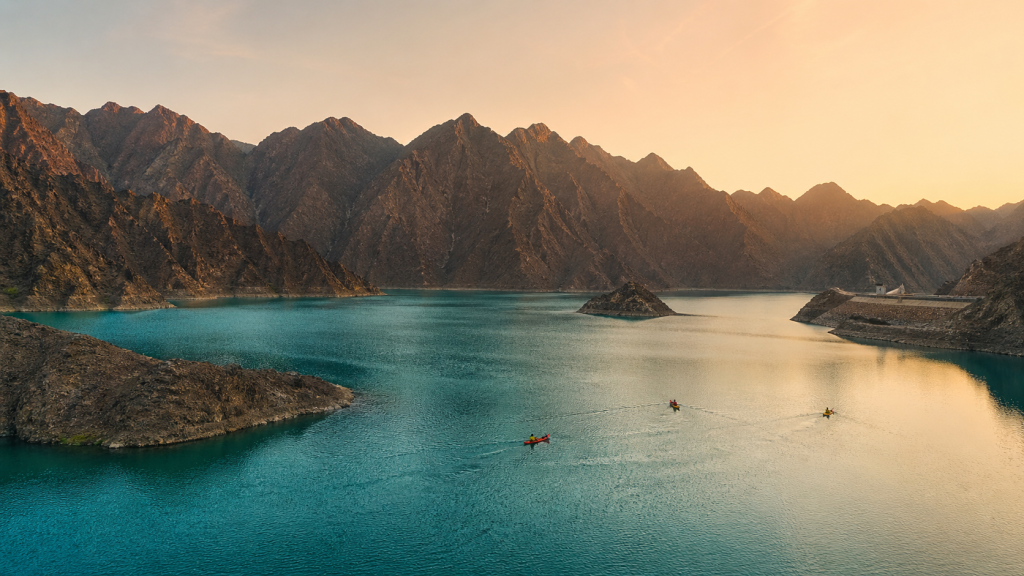
Standing at the edge of Hatta Dam last February, watching kayakers paddle across impossibly blue water with jagged mountains rising behind them, I had a revelation: this wasn’t the Dubai I’d been sold. No glass towers. No shopping malls blasting arctic air conditioning. Just actual geology, actual silence, and air I could breathe without feeling like I was inhaling the inside of a hair dryer.
Most Dubai visitors never discover Hatta exists. They’re too busy queue-jumping at Burj Khalifa or getting fleeced at Gold Souk. Meanwhile, 140 kilometres southeast, there’s this pocket of the Hajar Mountains where Dubai’s landscape completely transforms—and where you can escape the city’s relentless heat, noise, and artificial everything for the cost of a tank of petrol.
I spent three days testing every activity, accommodation, and eating option Hatta offers. Here’s what actually works, what’s overpriced tourist theatre, and how to do this mountain escape properly without getting ripped off.
What You’ll Actually Get From This Guide
- Realistic costs for everything—kayaking, accommodation, food—with no hidden surprises
- Seasonal timing advice so you don’t arrive during 45°C summer hell
- Transportation options that actually work (spoiler: you need a car)
- Which activities deliver and which are Instagram bait you can skip
- Honest accommodation reviews from someone who’s stayed at every option
Why Hatta Dam Should Be Your First Stop
The dam is Hatta’s centrepiece, and unlike half the “attractions” in Dubai, it’s genuinely impressive without trying to be. Built in the 1990s to collect rainwater runoff from the Hajar Mountains, it created a lake that’s now the area’s main draw for water activities.
I kayaked out here at 7 AM on a Tuesday and didn’t pass another boat for 45 minutes. The water’s consistently calm—no waves, no current to fight—making it perfect for beginners. The scenery delivers what Instagram promises: turquoise water reflecting rust-coloured mountains, with enough visual drama to justify the drive from Dubai.
Water Activities That Actually Work
- Kayaking: 80–150 AED per hour ($22–41 USD) depending on season and equipment quality
- Paddleboarding: Similar pricing, slightly easier for beginners
- Jet skiing: 200–300 AED per hour ($55–82 USD)—loud and obnoxious on a small lake
- Pedal boats: 60 AED per hour ($16 USD)—slow but family-friendly
Equipment rental happens right at the water’s edge through official vendors. No advance booking needed, but arrive early (7–9 AM) to secure gear and avoid crowds. The lake’s small enough that you can’t get properly lost, but large enough for a decent workout.
Pro tip: Bring sun protection even in winter. The mountain reflection off the water is brutal, and I’ve seen too many visitors turn lobster-red after two hours thinking February sun can’t burn.
Hatta Heritage Village: Atmosphere Over Information
This restored mountain village gives you a glimpse of pre-air conditioning life in the Emirates—stone and mud brick buildings, traditional furniture, and a small museum documenting local culture. I spent about an hour here and felt satisfied, not rushed.
The village was abandoned in the 1960s when residents moved to more modern housing, then restored in the 1990s as a cultural site. It’s more atmospheric than educational—don’t expect detailed historical explanations or interactive exhibits. You’re paying for the ambiance of walking through authentic traditional architecture in a mountain setting.
Entry is free, parking is free, and it opens at 8 AM daily (closes at 8 PM). The best time to visit is early morning or late afternoon when the light hits the stone buildings properly for photos. Skip it entirely if you’re short on time—the dam and hiking trails are far more memorable.
Mountain Hiking That Won’t Kill You
Hatta offers genuine mountain trekking without the extreme altitude or technical difficulty of proper mountaineering. The Hatta Wadi Hub area has several marked trails ranging from 30-minute strolls to half-day hikes.
I tested the main trail that follows an ancient irrigation channel (falaj) through the mountains—90 minutes of moderate walking past mountain streams, date palm groves, and old stone structures. The path is clearly marked, well-maintained, and offers consistent shade from acacia trees.
Trail Options by Difficulty
- Heritage Village loop: 30 minutes, easy, paved sections
- Falaj trail: 90 minutes, moderate, some rocky sections
- Mountain viewpoint: 2 hours, moderate-difficult, steep climbs
- Wadi exploration: 3+ hours, difficult, requires navigation skills
Timing is critical. November through March offers pleasant hiking weather (18–28°C). April and October are borderline acceptable (30–35°C). May through September is genuinely dangerous—temperatures exceed 45°C, and several trails close officially for safety reasons.
Bring more water than you think you need. The dry mountain air is deceptive, and dehydration hits faster than in coastal Dubai. I carried 2 litres for a 90-minute hike and finished most of it.
Getting There: Why You Need a Car
Renting a car isn’t just recommended for Hatta—it’s essential. Public transport doesn’t reach the area effectively, and tour groups lock you into rigid schedules that waste half the experience.
The drive from central Dubai takes 1.5–2 hours via the E11 highway toward Oman. The route is straightforward: follow signs for Hatta/Al Hajar Mountains, then trust Google Maps for the final approach through mountain roads. Any rental car handles it fine—I drove a basic Hyundai i10 without issues.
Transportation Cost Breakdown
| Option | Daily Cost (AED) | Pros | Cons |
|---|---|---|---|
| Rental Car | 80–150 + fuel (20–30) | Complete flexibility, explore at own pace | Need valid license, navigation required |
| Tour Group | 200–300 (including lunch) | Transportation handled, guide included | Fixed schedule, rushed stops |
| Private Driver | 400–600 | No driving stress, customizable | Expensive, driver waits around |
Fuel costs roughly 2 AED per litre ($0.55 USD)—significantly cheaper than most countries. Parking is free everywhere in Hatta, including at the dam, heritage village, and hotel. Road conditions are excellent, with clear signage in English and Arabic.
If driving genuinely stresses you out, several Dubai tour companies run Hatta day trips. You lose flexibility and spend less time at each stop, but you get professional guidance and don’t need to navigate mountain roads. Fair trade-off for nervous drivers.
Budget Accommodation: Hatta Fort Hotel
There’s essentially one hotel in Hatta: Hatta Fort Hotel. I stayed here for two nights and found it exactly what mountain accommodation should be—functional, clean, and perfectly positioned without pretending to be luxury.
Rooms cost 350–500 AED per night ($95–135 USD) depending on season and booking timing. February through April commands premium rates; summer months (May–September) are significantly cheaper, though you’ll understand why when you experience 45°C heat.
The hotel sits right at the dam’s edge, meaning you can walk to water activities in five minutes. Rooms are basic but comfortable—clean linens, reliable air conditioning, decent WiFi, and mountain or lake views from most windows. Breakfast is included: Middle Eastern and continental options that fuel a full day of hiking and kayaking.
What Works at Hatta Fort Hotel
- Location is unbeatable—you’re at the centre of everything
- Staff genuinely helpful with activity recommendations and bookings
- Pool area perfect for post-hiking recovery
- Reliable power and water (not guaranteed at camping options)
What doesn’t: rooms are dated (think 1990s décor), and noise carries between rooms. Light sleepers should pack earplugs. The restaurant is adequate but limited—dinner mains run 60–100 AED ($16–27 USD) for decent Middle Eastern and international dishes.
Glamping at Hatta Wadi Hub
For visitors wanting the outdoor experience without actual camping hardships, Hatta Wadi Hub offers luxury tents and chalets (600–900 AED per night, $165–245 USD). This is the Instagram-friendly option—sleeping under canvas but with proper beds, private bathrooms, and electricity.
I spent one night in a “luxury tent” and found it surprisingly comfortable. The accommodation sits in a valley setting with mountain views, and the facilities genuinely deliver on the glamping promise. You get the atmosphere of camping—sounds of nature, mountain air, star visibility—without dealing with ground sleeping or shared bathrooms.
The tents include air conditioning (essential in summer), comfortable beds with quality linens, and private bathrooms with hot showers. The communal areas offer campfire spaces, outdoor dining, and guided activity bookings.
Reality check: This is expensive for what amounts to a tent, even a luxurious one. You’re paying for the novelty and the setting, not exceptional accommodation quality. Budget travellers should stick with the Fort Hotel.
Where to Eat Without Getting Fleeced
Hatta’s dining scene is limited but honest—no tourist traps charging premium prices for mediocre food. The options are straightforward: hotel restaurant, local bakery, or bring your own supplies from Dubai.
Al Reef Bakery near the heritage village serves the best breakfast in Hatta. Proper Arab bread (fresh khubz), strong Arabic coffee, and simple egg dishes for 20–40 AED ($5–11 USD). The portions are generous, the quality consistent, and the atmosphere authentically local rather than tourist-focused.
Lunch and dinner options centre around Hatta Fort Hotel’s restaurant. The menu covers Middle Eastern staples—grilled meats, rice dishes, salads—plus international options like pasta and sandwiches. Mains cost 60–100 AED ($16–27 USD), and portions easily satisfy post-hiking appetites. The food won’t win awards, but it’s well-prepared and reasonably priced.
Smart Shopping Strategy
Bring snacks and drinks from Dubai. Hatta’s grocery selection is extremely limited, and prices run 20–30% higher than city supermarkets. I loaded a cooler with bottled water, fruits, nuts, and sandwich ingredients before leaving Dubai—saved money and avoided disappointment when looking for specific foods.
The nearest proper supermarket is back toward Dubai (about 45 minutes drive), so stock up before arriving or accept the limited local options.
Best Seasons and Weather Reality
Timing your Hatta visit correctly makes the difference between a memorable mountain escape and a sweaty ordeal. The mountains don’t eliminate UAE heat—they just make it more bearable during cooler months.
November through March offers the best conditions: daytime temperatures of 18–28°C (65–82°F), cool evenings, and minimal rainfall. This is peak season for hiking, and water activities remain comfortable throughout the day. Hotel prices are highest, but weather comfort justifies the premium.
April and October represent shoulder seasons with acceptable but challenging conditions. Daytime temperatures reach 30–35°C (86–95°F), making morning and evening activities pleasant while midday becomes uncomfortable. Prices drop slightly, and crowds thin out.
Seasonal Activity Guide
| Season | Temperature Range | Best Activities | Avoid |
|---|---|---|---|
| Nov–Mar | 18–28°C | All activities, especially hiking | Nothing (perfect season) |
| Apr, Oct | 30–35°C | Early morning/evening activities | Midday hiking |
| May–Sep | 40–50°C | Water activities only | Hiking, outdoor dining |
May through September is genuinely brutal. Temperatures exceed 45°C (113°F) regularly, and hiking trails officially close for safety reasons. Only water activities remain viable, and even those become uncomfortable by mid-morning. Hotel rates plummet, but there’s a reason.
Activity Costs and Booking Reality
Unlike Dubai’s main tourist attractions, Hatta operates on simple, transparent pricing without hidden fees or mandatory packages. Most activities accept cash payment on-site, though some vendors now take cards.
Water sports rental happens directly at the dam through official vendors—no advance booking required, though busy weekends (Friday-Saturday) can see equipment shortages. Arrive by 8 AM for guaranteed availability and best conditions.
Hiking is entirely free, with trail maps available at Hatta Fort Hotel reception and major trailheads. No permits required, no guide mandatory, but solo hikers should inform someone of their planned route and return time.
Complete Activity Cost Breakdown
- Kayak rental: 80–150 AED/hour ($22–41 USD)
- Paddleboard: 80–150 AED/hour ($22–41 USD)
- Jet ski: 200–300 AED/hour ($55–82 USD)
- Pedal boat: 60 AED/hour ($16 USD)
- Mountain bike rental: 50–80 AED/day ($14–22 USD)
- Heritage village entry: Free
- All hiking trails: Free
- Dam parking: Free
Photography permits aren’t required for personal use, but commercial/professional shoots need advance permission from Dubai Municipality. Drone flying requires specific permits and is restricted near the dam for safety reasons.
Getting Around Hatta
Hatta covers a relatively small area, but attractions are spread enough that walking between them isn’t practical. Having a car provides the flexibility to explore at your own pace and discover viewpoints beyond the main tourist spots.
The main sites—dam, heritage village, Wadi Hub—are connected by good roads with clear signage. Parking is free everywhere, and distances between attractions range from 5–15 minutes by car. Mountain roads are well-maintained but can be narrow, so take corners carefully.
Some visitors rent mountain bikes for getting around, which works well for the fit and adventurous. Bike rental costs 50–80 AED per day ($14–22 USD) and allows access to some trails cars can’t reach. However, summer heat makes cycling impractical from May through September.
Photography and Instagram Reality
Hatta delivers genuinely photogenic landscapes without the artificial setup of Dubai’s main attractions. The dam and mountain reflections provide classic shots, while hiking trails offer more adventurous compositions.
Best photography times are early morning (7–9 AM) and late afternoon (4–6 PM) when lighting enhances the mountain colours and water reflections. Midday sun creates harsh shadows and washed-out colours—fine for documenting your trip but poor for serious photography.
Popular Instagram spots include the dam viewpoint, heritage village traditional architecture, and mountain panoramas from hiking trails. Unlike Dubai’s staged photo opportunities, these locations require some effort to reach—which means better shots with fewer people in them.
What I’d Skip Next Time
- Jet skiing on the lake: The water body is too small for proper jet skiing, and the noise destroys the peaceful atmosphere that’s Hatta’s main appeal
- Summer visits (May–September): The heat makes everything miserable and dangerous. Even air-conditioned cars become ovens between stops
- Heritage village if time is limited: It’s pleasant but not essential. Prioritise the dam and hiking trails for better value
- Lunch at expensive hotel restaurants: The food is adequate but overpriced. Pack a picnic or eat at Al Reef Bakery
- Weekend visits without early starts: Friday and Saturday bring crowds from Dubai and Abu Dhabi. Early arrival (7 AM) is essential for peaceful experiences
- Relying on mobile data in mountains: Signal can be patchy in remote areas. Download offline maps and inform others of your plans
Frequently Asked Questions
Is Hatta suitable for families with young children?
Absolutely. The water activities are calm and supervised, hiking trails include easy options, and the heritage village offers educational value without being boring. Most facilities have family-friendly amenities, though summer heat makes family visits impractical from May through September.
Can I visit Hatta without staying overnight?
Yes, but you’ll miss the best parts. Day trips from Dubai mean 3–4 hours driving for maybe 6 hours on-site. Staying overnight lets you experience Hatta at sunrise and sunset when it’s most beautiful, plus you avoid the rush of trying to fit everything into one day.
Is the drive from Dubai difficult or dangerous?
Not at all. The E11 highway is excellent, and mountain roads are well-maintained with clear signage. Any rental car handles the route easily. The main challenge is navigation in mountain areas where mobile signal can be weak—download offline maps before departing.
What should I pack for a Hatta trip?
Sun protection is essential year-round—hat, sunscreen, sunglasses. Comfortable hiking shoes for trails, swimwear for water activities, and layers for temperature changes between day and evening. Bring extra water, snacks, and a first-aid kit for hiking.
Are there ATMs and medical facilities in Hatta?
Limited options. There’s one ATM at Hatta Fort Hotel, and basic medical services at a small clinic. For serious medical needs, you’d drive back toward Dubai (45+ minutes). Bring cash for activities and any medications you might need.
Can I combine Hatta with other UAE destinations?
Hatta works well with visits to other mountain areas like Jebel Jais in Ras Al Khaimah, but it’s quite distant from beach destinations. Most visitors use Hatta as a 2–3 day mountain escape within a longer Dubai-based trip rather than trying to combine multiple emirates in quick succession.
Key Takeaways
- Hatta offers genuine mountain escape from Dubai’s urban intensity, but only during cooler months (November–March)
- Renting a car is essential—public transport doesn’t work, and tours are too rushed to appreciate the setting
- Focus on dam activities and hiking trails; skip expensive extras like jet skiing that don’t suit the small-lake environment
- Budget 350–500 AED per night for accommodation, plus 100–200 AED daily for activities and meals
- Start early (7–9 AM) to avoid crowds and heat, especially on weekends when Dubai residents escape to the mountains
- Pack food and water from Dubai to avoid limited local options and inflated mountain prices
- Plan 2–3 days minimum to experience Hatta properly—day trips waste too much time on driving
Hatta isn’t wild adventure travel or luxury resort experience—it’s honest mountain refuge from city chaos. Visit with realistic expectations and proper timing, and you’ll leave refreshed rather than exhausted. That’s exactly what a proper escape should deliver.