 abujiggy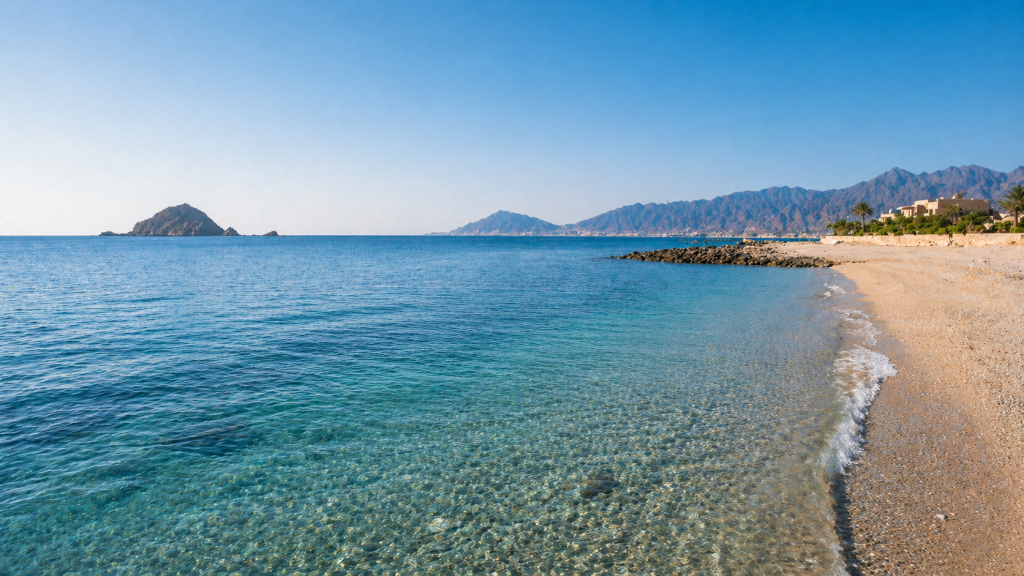
The Surprise That Is Fujairah
I was standing on Al Aqah Beach at 6 AM, coffee in hand, completely alone except for a handful of fishermen and the sound of waves that actually felt wild. No jet skis. No resort chaos. No Instagram crowds doing backflips. This is what threw me about Fujairah—it’s in the UAE, but it feels like you’ve accidentally crossed into somewhere the tourism industry forgot about. And honestly? That’s the entire appeal.
Fujairah sits on the east coast, facing the Gulf of Oman instead of the Persian Gulf. It’s only an hour and a half drive from Dubai, but culturally and geographically, it might as well be another country. The mountains are real. The beaches are quieter. The diving is legitimately excellent.
The Beaches Worth Your Time
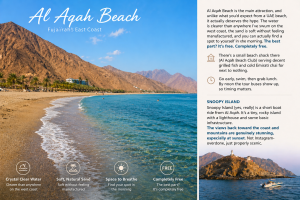
Al Aqah Beach is the main attraction, and unlike what you’d expect from a UAE beach, it actually deserves the hype. The water is clearer than anywhere I’ve swum on the west coast, the sand is soft without feeling manufactured, and you can actually find a spot to yourself in the morning. The best part? It’s free. Completely free.
There’s a small beach shack there (Al Aqah Beach Club) serving decent grilled fish and cold Emirati chai for next to nothing. Go early, swim, then grab lunch. By noon the tour buses show up, so timing matters.
Snoopy Island (yes, really) is a short boat ride from Al Aqah. It’s a tiny, rocky island with a lighthouse and some basic infrastructure. The views back toward the coast and mountains are genuinely stunning, especially at sunset. Not Instagram-overdone, just properly scenic.
Diving: This Is Where Fujairah Gets Serious
I’m not a hardcore diver, but I’ve done enough dives to know when a destination is legit. Fujairah’s dive sites punch way above their weight. The coral here hasn’t been hammered by as much traffic as the southern Emirates, and the marine life is diverse—turtles, rays, groupers, the occasional reef shark if you’re lucky.
Dibba Rock is the most famous site, and it’s worth doing. The current can be strong, so it’s better for intermediate divers, but the underwater topography is genuinely interesting—walls, caves, ledges that keep things engaging.
I booked with Fujairah Diving Centre (based at Hilton Fujairah), and they sorted everything—guides were knowledgeable, equipment was maintained, and the boat operation was professional. A two-tank dive ran about 450 AED ($122 USD). PADI certification courses are available too if you want to get certified while you’re there.
Practical Diving Info
- Best dive season: October–April (water temp 24–28°C)
- Budget operator: Around 400–500 AED per dive
- What to bring: Your own wetsuit if you prefer (rentals available but basic)
- Book in advance during weekends—locals come up from Dubai
Mountain Escapes: The Underrated Half
Here’s what surprised me most: Fujairah has actual mountains, and they’re genuinely worth exploring. The Hajar Mountains form a dramatic backdrop to the coast, and there are several hiking trails that won’t take your entire day.
Wadi Wurayah National Park is the standout. The main hike is moderate, about 6 km return, following a wadi with cascading pools and lush vegetation (yes, in the UAE). We went in late November—temperatures were perfect (around 25°C), and the water was cool enough to jump in at the end. The national park entrance is 50 AED, and it’s worth every fils.
Fair warning: it can get busy on weekends with family groups, but weekday mornings are quiet. Start early, bring a liter of water minimum, and wear decent hiking shoes (the wadi bed is rocky).
Getting There & Getting Around
From Dubai, take E11 north toward Ras Al Khaimah, then fork east toward Fujairah. The drive takes 75–90 minutes depending on traffic. If you’re flying into Dubai, it’s worth renting a car for 2–3 days just to have this flexibility.
Once in Fujairah, you’ll need a car. Taxis exist but are infrequent, and ride-share apps are spotty. A basic sedan rental costs around 100–150 AED per day.
Where to Stay
Budget
Al Aqah Beach Hotel (around 250 AED / $68 per night)—basic but clean, right on the beach, and the location is everything. Breakfast is included.
Mid-Range
Hilton Fujairah (350–450 AED / $95–$122)—proper resort amenities, good pool, direct beach access, and dive center on-site. This is where I stayed and honestly, the value is excellent compared to Dubai.
Luxury
Le Méridien Al Aqah Beach Resort (500+ AED / $136+)—upscale without being pretentious, spa facilities, multiple restaurants. Still somehow less busy than comparable resorts in Dubai.
What I’d Do Differently
Skip the dolphin watching tours unless you’re traveling with kids. I booked one and saw exactly zero dolphins (the company was refunding about 30% of participants, which tells you something). The boat ride itself was fine, but not worth the 200 AED in hindsight.
Do go to Friday Market in Fujairah City if you’re interested in local goods—it’s colorful, authentic, and completely tourist-free. No pressure to buy anything, just wander and absorb. Friday mornings, very early.
Travel Essentials
- Reef-Safe Sunscreen — You’re diving and snorkeling here. Check price on Amazon
- Underwater Camera or GoPro — The diving and snorkeling justify it. Check price on Amazon
- Lightweight Hiking Backpack — For Wadi Wurayah and mountain trails. Check price on Amazon
The Bottom Line
Fujairah is the UAE’s quiet sibling—less polished than Dubai, less developed than Abu Dhabi, but genuinely more interesting if you care about beaches that feel real, diving that doesn’t feel crowded, and mountains you can actually hike. It’s perfect for 2–3 days, especially if you’re already in the Emirates and want something different. Families with kids will love it. Solo travelers will appreciate the safety and ease. And if you’re a diver, it belongs on your list.
Go in the cooler months (October–April). Bring a car. Swim at sunrise. Dive at least once. Skip the tourist cruises. You’ll understand why locals keep this place quiet.