 abujiggy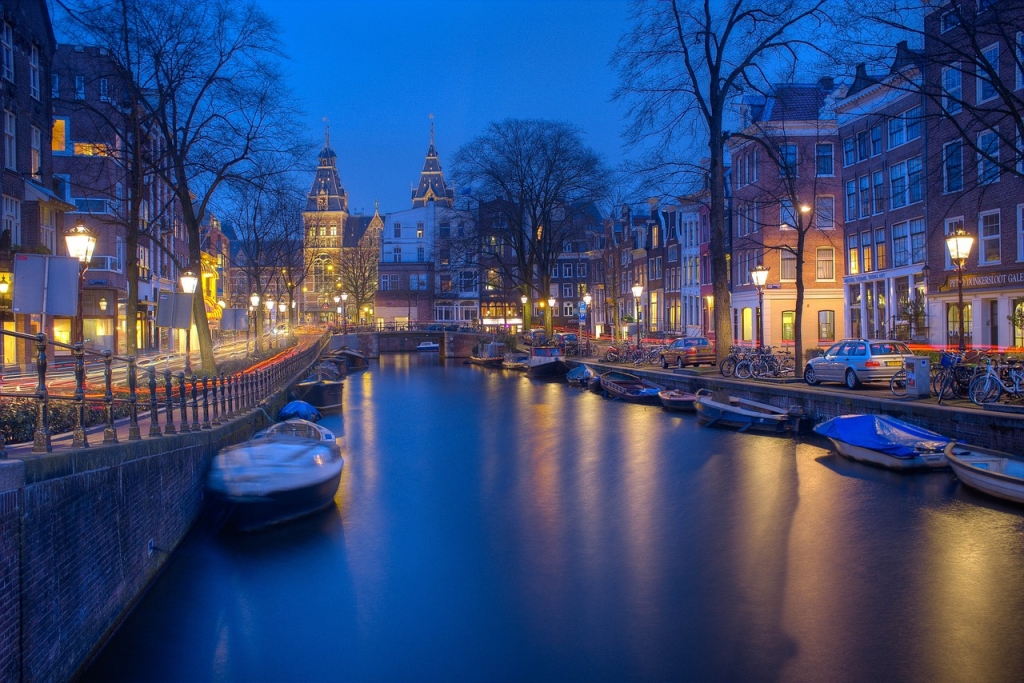
Amsterdam. The name itself conjures images of graceful canals, impossibly narrow houses leaning against each other like tipsy friends, and the gentle hum of bicycles. It’s a city that promises charm in spades, a place where history breathes through cobblestone streets and art spills from world-class galleries. But with so much to see and do, especially on a short trip, how do you distill the essence of this Dutch masterpiece into just two days without feeling like you’ve merely scratched the surface?
The truth is, two days isn’t enough to truly *know* Amsterdam. It’s barely enough to get acquainted. But it is, I’ve found, just about the right amount of time to fall head over heels in love with it. The trick isn’t to see everything, but to experience the things that make Amsterdam, well, Amsterdam. It’s about finding those moments – the taste of a perfectly made stroopwafel, the quiet contemplation of a canal at dusk, the unexpected warmth of a local welcome – that lodge themselves in your memory long after you’ve left.
This guide is for anyone facing that delightful dilemma: a short trip to a city bursting with possibilities. I’ll walk you through how I spent two days in Amsterdam, focusing on the experiences that truly resonated, from finding the perfect place to stay to navigating the city’s more complex facets. We’ll cover the must-dos, the sweet traditions, and a few practicalities to ensure your own whirlwind adventure is as memorable as mine.
TL;DR: Your Two-Day Amsterdam Cheat Sheet
- Strategic Stay: DoubleTree by Hilton Amsterdam Central Station offers unbeatable convenience for exploring on foot or by public transport.
- Canal Charm: Embrace the city’s heart by simply walking its historic centre, getting lost in the maze of streets and admiring the iconic waterways.
- Sweet Indulgence: Don’t miss the authentic stroopwafel experience – it’s a quintessential Amsterdam treat.
- Contextual Curiosity: Approach the Red Light District with an understanding of its history and current realities, ideally through a guided tour.
- Winter Warmth: Even in the chill, Amsterdam’s festive spirit and cozy cafes make a December visit magical.
The DoubleTree by Hilton Amsterdam Central Station: A Home Base That Delivers
When you only have two days in a city as sprawling and captivating as Amsterdam, your accommodation isn’t just a place to sleep; it’s your strategic command centre. I chose the DoubleTree by Hilton Amsterdam Central Station for precisely this reason, and it proved to be an inspired decision. Its location is, frankly, unbeatable. Stepping out of the hotel, you’re immediately immersed in the city’s pulse, with the main train station right there, offering seamless connections to the airport and beyond. More importantly for a short trip, it puts you within easy walking distance of so many key attractions. The historic city centre, the charming Jordaan district, and even the notorious Red Light District are all accessible on foot, allowing you to maximise your exploration time without relying heavily on public transport or taxis.
Beyond the prime real estate, the DoubleTree lived up to its reputation for hospitality. The signature warm chocolate chip cookie upon check-in is more than just a sweet treat; it’s a genuine gesture of welcome that sets a positive tone for your stay. It’s those little touches that can make a difference when you’re travelling. My room was comfortable and well-appointed, offering a quiet sanctuary after a day of pounding the cobblestones. While it’s a large hotel, the service felt personal enough, and the staff were always on hand to offer directions or recommendations. For a short, intense visit, having a reliable, comfortable, and exceptionally well-located base like this is invaluable. It minimises travel time and maximises your ability to dive straight into the Amsterdam experience.
Wandering Through Time: A Walk Through the City Center
Amsterdam’s true magic, for me, lies in its pedestrian-friendly heart. Forget rigid itineraries for a moment; the best way to experience the city centre is to simply wander. Armed with a basic map and a willingness to get a little lost, I found myself captivated by the sheer density of beauty and history packed into its narrow streets. The canals are, of course, the main characters in this urban play. They’re not just picturesque waterways; they’re arteries of the city, lined with impossibly tall, slender gabled houses that seem to defy gravity. Each building tells a story, from the ornate facades of the Golden Age merchants’ homes to the more utilitarian structures that have stood for centuries.
What I particularly loved were the smaller, less-trodden alleyways that branched off the main thoroughfares. These are the places where you stumble upon independent boutiques selling unique Dutch crafts, antique shops filled with curiosities, and cozy cafes perfect for a momentary respite. The canals themselves are a constant source of fascination. Houseboats, permanently moored and adorned with colourful flower boxes, offer a glimpse into a unique way of life. At night, the bridges and buildings are often illuminated, casting a warm, romantic glow over the water, transforming the city into something truly enchanting. It’s this unscripted exploration, this serendipitous discovery around every corner, that makes walking the city centre such a rewarding experience. You feel connected to the city’s rhythm, observing daily life unfold against a backdrop of unparalleled historical charm.
The Delectable Stroopwafel: A Sweet Tradition Worth Savouring
Let’s be honest, some travel experiences are hyped up, and you arrive expecting a revelation only to find a decent, but ultimately ordinary, treat. The stroopwafel, however, is not one of those things. It’s a culinary icon for a reason, and experiencing a freshly made one in Amsterdam is an absolute must. The iconic Dutch waffle, essentially two thin, crisp waffles sandwiched together with a layer of warm, gooey caramel syrup (stroop), is pure, unadulterated comfort food. The aroma alone, a sweet, buttery caramel scent, is enough to draw you in from a block away, especially on a chilly day.
I found myself seeking out street vendors and small bakeries throughout my visit, each offering a slightly different take on this classic. The best ones, in my opinion, are made right in front of you. You’ll see vendors using a special waffle iron to cook the thin waffles, then slice them horizontally while still warm and spread a generous layer of caramel before pressing them back together. The warmth of the caramel melts slightly, creating that perfect, sticky, sweet filling. Eating it fresh, while it’s still warm and the caramel is wonderfully gooey, is an experience in itself. I’d often buy one and find a bench overlooking a canal or in a bustling square, like Dam Square or Rembrandtplein, and just savour it. It’s the perfect combination of textures – the crispness of the waffle giving way to the chewy, sweet caramel. It’s more than just a snack; it’s a taste of Dutch tradition, a simple pleasure that perfectly encapsulates the city’s charm.
A Glimpse into the Red Light District: Understanding History and Reality
The De Wallen, or Red Light District, is undeniably one of Amsterdam’s most talked-about areas, and for many visitors, a source of significant curiosity. It’s a place steeped in history and often surrounded by misconceptions. My approach was one of respectful inquiry, and I found that a guided walking tour was the most insightful way to navigate this complex neighbourhood. These tours aren’t about sensationalism; they’re about providing context. A good guide will delve into the district’s long and varied past, explaining how its current legal framework came into being – a system that decriminalised sex work in the early 2000s, aiming to improve safety and working conditions.
During the tour, we discussed the realities of the industry, the challenges faced by sex workers, and the ongoing debates surrounding its presence in the city. It’s crucial to understand that while the red-lit windows and the establishments are part of the scene, the area is also a residential neighbourhood with a rich history, home to churches and local businesses. The guides often highlight the strict rules in place – no photography of the workers, respecting privacy, and maintaining a generally sober demeanour while walking through. It’s a delicate balance between acknowledging the district’s unique character and ensuring it remains a safe and respectful environment for everyone. My experience was eye-opening, moving beyond sensational stereotypes to appreciate the nuanced social and historical layers of this often-misunderstood part of Amsterdam.
Braving the December Freeze: Embracing the Dutch Winter
Visiting Amsterdam in December means embracing the cold. There’s no getting around it – the air is crisp, and you’ll likely encounter grey skies and perhaps even a bit of rain or snow. However, I discovered that the Dutch winter possesses a unique and undeniable charm, particularly when coupled with the festive season. The city transforms into a winter wonderland, albeit a more subdued and sophisticated one than you might find elsewhere. The canals, often shrouded in a soft mist, take on a moody, atmospheric beauty. And the Christmas markets, dotted throughout the city, offer a welcome burst of warmth and cheer.
I spent a delightful afternoon exploring the markets, perhaps most notably the one that often sets up near Dam Square or the larger one at Museumplein. These markets are a far cry from the overwhelming commercialism you might expect. Instead, they offer a curated selection of artisanal crafts, handmade gifts, and, of course, plenty of seasonal food and drink. Think mulled wine (glühwein), warm waffles, and hearty Dutch snacks. Bundled up in layers – a good coat, scarf, hat, and gloves are essential – I found the crisp winter air invigorating. The shorter daylight hours mean the city lights come on earlier, casting a magical glow on the historic buildings and canals. It’s a time when cozy cafes become even more inviting, perfect for warming up with a hot chocolate or a strong cup of coffee after a day of sightseeing. The festive decorations add a special sparkle, making even a simple stroll feel like a scene from a postcard.
A Brief History Lesson: A City Steeped in the Past
Amsterdam isn’t just a pretty face; it’s a city with layers upon layers of history, and experiencing this past is fundamental to understanding its present. Even on a short trip, making time for at least one significant historical site is incredibly rewarding. The Anne Frank House is, without question, one of the most profoundly moving experiences Amsterdam offers. Stepping into the secret annex where Anne and her family hid during World War II is a sobering and deeply personal encounter with a pivotal moment in history. It’s an essential visit that offers a stark reminder of the human cost of persecution and the enduring power of hope and resilience. Booking tickets well in advance is absolutely critical, as they sell out months ahead.
Beyond the wartime narrative, Amsterdam’s artistic heritage is equally compelling. The Rijksmuseum is a treasure trove, housing masterpieces by Dutch Masters like Rembrandt and Vermeer. I could have spent days wandering its halls, but even a focused visit to see the highlights, such as Rembrandt’s “The Night Watch,” is immensely satisfying. For a deeper dive into the life and work of one of the world’s most beloved artists, the Van Gogh Museum is a must. Its extensive collection provides an unparalleled insight into Van Gogh’s evolution as an artist, showcasing his vibrant colours and emotional intensity. These institutions aren’t just repositories of art; they are windows into the Dutch Golden Age and the country’s rich cultural identity, offering a vital counterpoint to the city’s more contemporary attractions.
The Iconic Canals: More Than Just a Pretty View
You can’t talk about Amsterdam without talking about its canals. They are the city’s defining feature, a UNESCO World Heritage site, and the very reason Amsterdam is often dubbed the “Venice of the North.” But beyond their undeniable aesthetic appeal, the canals are the lifeblood of the city, shaping its architecture, its history, and its way of life. My two days were punctuated by constant encounters with these waterways, and I found that simply walking alongside them, crossing their many bridges, and admiring the houseboats offered a constant stream of visual delight and a unique perspective on urban living.
There are several ways to experience the canals. A canal cruise is, of course, the classic tourist activity. While I opted for walking, I saw many happy faces on the various tour boats gliding along. These cruises offer a different vantage point, allowing you to appreciate the scale of the canal ring and the intricate details of the canal-side architecture from the water. They often provide historical commentary, too, which can enrich the experience. However, I found immense joy in exploring on foot. Each canal has its own character. The Prinsengracht and Keizersgracht are grand and stately, lined with magnificent merchant houses. The smaller, more intimate canals in areas like the Jordaan offer a more bohemian vibe, with quirky houseboats and charming bridges. Watching the light change on the water throughout the day, seeing locals cycle past, and observing the reflections of the historic buildings create a dynamic and ever-changing panorama. It’s this constant presence of the water that truly makes Amsterdam unique.
Beyond the Tourist Trail: Discovering Local Flavours
While the stroopwafel is a non-negotiable treat, Amsterdam offers a much broader culinary landscape that’s worth exploring, even on a short trip. Moving beyond the most obvious tourist traps requires a little intention, but the rewards are significant. I made a point of seeking out places that offered a taste of authentic Dutch cuisine, often found in more neighbourhood-oriented spots rather than the central squares.
One such discovery was a traditional ‘eetcafé’ (eating cafe) where I sampled Haring, or raw herring, a Dutch delicacy. Served with chopped onions and pickles, it’s a strong flavour, not for everyone, but undeniably part of the local experience. If raw fish isn’t your forte, another classic is Bitterballen, deep-fried, crispy meatballs often served with mustard – the perfect accompaniment to a Dutch beer. For something more substantial, look for restaurants serving Stamppot, a hearty dish of mashed potatoes mixed with vegetables like kale, sauerkraut, or carrots, typically served with a smoked sausage. It’s the ultimate comfort food, especially welcome on a cold day.
I also made sure to visit a traditional Dutch cheese shop. The Netherlands is world-renowned for its cheese, and sampling varieties like Gouda and Edam, often aged to perfection, is a must. Many shops offer tastings, allowing you to discover your favourites. Don’t shy away from the smaller, local markets either; they often have stalls selling fresh produce, local snacks, and regional specialties. Exploring these flavours is as much a part of understanding Amsterdam as visiting its museums.
Navigating Amsterdam’s Public Transport and Getting Around
While Amsterdam is remarkably walkable, especially its historic core, you’ll likely want to utilise public transport for efficiency, particularly on a short trip. The city boasts an excellent and integrated public transport system managed by the GVB, comprising trams, buses, metro, and ferries. Trams are particularly useful for navigating the central areas and connecting different neighbourhoods.
For visitors, the most convenient options are usually the GVB day tickets or multi-day tickets. These allow unlimited travel on trams, buses, and metro within the specified period. You can purchase these at GVB ticket offices, some train stations, and tourist information centres. I found that a 48-hour (two-day) ticket was perfect for my needs, eliminating the hassle of buying individual tickets and allowing me to hop on and off trams as needed. Be sure to validate your ticket when you first use it and whenever you board a new service.
Alternatively, the I Amsterdam City Card can be a good value if you plan on visiting multiple museums and attractions and intend to use public transport frequently. It includes free public transport, free entry to many museums (though not always the most popular ones like the Anne Frank House, which requires separate booking), and a canal cruise. It’s worth doing the maths based on your planned itinerary to see if it offers savings.
For getting to and from Schiphol Airport, the train is the most efficient and cost-effective option. Trains run frequently from the airport to Amsterdam Central Station, taking about 15-20 minutes. Taxis and ride-sharing services are also available but are significantly more expensive.
The Anne Frank House: A Sobering and Essential Experience
No visit to Amsterdam, particularly one focused on history, would be complete without acknowledging the profound impact of the Anne Frank House. Located on the Prinsengracht canal, this unassuming building holds within its walls the secret annex where Anne Frank and her family, along with four others, hid from Nazi persecution for over two years during World War II. Visiting the actual rooms where they lived in hiding is an experience that transcends mere tourism; it’s a deeply moving and sobering encounter with a crucial piece of 20th-century history.
The museum meticulously preserves the atmosphere of the annex, allowing visitors to walk through the cramped spaces, see the poignant pencil marks on the wall charting Anne’s growth, and read excerpts from her famous diary. The journey through the museum culminates in a space that reflects on the broader context of the Holocaust and the universal themes of human rights and tolerance. It’s an emotionally charged visit, and it’s essential to approach it with a sense of respect and quiet contemplation. The museum’s strict policy of pre-booked tickets, often months in advance, underscores its significance and the demand to experience it. This isn’t a place for casual browsing; it’s a pilgrimage for many, offering a powerful reminder of the past and a call to action for a more humane future.
The Rijksmuseum and Van Gogh Museum: A Double Dose of Dutch Artistry
Amsterdam’s status as a global art capital is cemented by its world-class museums, and the Rijksmuseum and the Van Gogh Museum stand as pillars of its artistic heritage. Even with only two days, dedicating time to at least one, if not both, is highly recommended for anyone with an interest in art or history.
The Rijksmuseum, the national museum of the Netherlands, is a monumental institution housing an astonishing collection that spans centuries of Dutch art and history. Its most famous resident is Rembrandt van Rijn’s masterpiece, “The Night Watch,” a vast and dramatic canvas that commands attention in its own dedicated gallery. But the Rijksmuseum offers so much more: exquisite works by Johannes Vermeer, intricate Delftware pottery, historical artefacts, and detailed period rooms. The building itself is a work of art, recently renovated to blend historical grandeur with modern museological standards. A focused visit might centre on the Gallery of Honour, but allow yourself time to get lost in its vastness.
Just a short walk away, nestled in the Museumplein, is the Van Gogh Museum. This museum is dedicated solely to the life and work of Vincent van Gogh, holding the largest collection of his paintings and drawings in the world. It provides an unparalleled chronological journey through his artistic development, from his early, darker works to the explosion of colour and light that characterises his later masterpieces. Seeing iconic pieces like “Sunflowers,” “Almond Blossom,” and various self-portraits up close is an incredibly powerful experience. Like the Anne Frank House, advance booking for the Van Gogh Museum is essential to guarantee entry and avoid disappointment.
Common Mistakes to Avoid on a Short Amsterdam Trip
- Trying to see everything: Amsterdam is vast and deep. Accept that two days is a taster, not a comprehensive tour. Prioritise what truly interests you.
- Not booking popular attractions in advance: The Anne Frank House, Van Gogh Museum, and even some popular canal cruises sell out weeks, if not months, ahead. Don’t leave this to chance.
- Over-reliance on taxis: Amsterdam is compact and has excellent public transport. Walking and trams are often faster and more enjoyable than sitting in traffic.
- Ignoring the weather: Dutch weather is notoriously unpredictable. Pack layers, waterproofs, and comfortable, broken-in shoes, even in summer.
- Sticking only to the tourist centre: Venture into neighbourhoods like the Jordaan or De Pijp for a more authentic feel and discover hidden gems.
- Not trying the local food: Beyond stroopwafels, explore Dutch cheeses, bitterballen, and local seafood for a true taste of the Netherlands.
Frequently Asked Questions
Is two days enough time to see Amsterdam?
Two days is a very short time for Amsterdam, but it is enough to get a good feel for the city’s atmosphere, see the main highlights, and enjoy some key experiences like canal walks and trying local treats. You won’t see everything, but you can certainly fall in love with it.
What is the best way to get around Amsterdam?
Amsterdam is a very walkable city, and trams are excellent for covering longer distances within the centre. For airport transfers, the train is the most efficient option. Consider a GVB day ticket for easy public transport access.
Is the Red Light District safe to visit?
The Red Light District is generally considered safe for tourists to walk through during the day and early evening, especially if you stick to the main, well-lit streets. It’s important to be aware of your surroundings, avoid engaging with touts, and absolutely do not take photos of the workers or their windows.
What is the most iconic Dutch food to try?
The stroopwafel is arguably the most iconic sweet treat. For savoury options, bitterballen (fried meatballs), herring (haring), and stamppot (mashed potato and vegetable dish) are traditional Dutch foods worth trying.
When is the best time of year to visit Amsterdam?
Spring (April-May) is often considered ideal for the tulip season and pleasant weather. Summer offers the warmest temperatures but is also the busiest. Autumn can be beautiful with fewer crowds, and winter, while cold, offers a festive atmosphere and fewer tourists.
Do I need to book the Anne Frank House in advance?
Yes, absolutely. Tickets for the Anne Frank House are released online and sell out extremely quickly, often months in advance. It is essential to book your tickets online through the official Anne Frank House website as soon as they become available.
Key Takeaways
- A well-located hotel, like the DoubleTree by Hilton Amsterdam Central Station, is crucial for maximising a short trip.
- Embrace walking as the primary mode of exploration; it’s the best way to discover Amsterdam’s charm.
- Authentic stroopwafels are a non-negotiable, delicious part of the Amsterdam experience.
- Approach the Red Light District with curiosity and respect, ideally informed by a guided tour.
- The Dutch winter offers a unique, festive charm despite the cold; pack accordingly.
- Historical sites like the Anne Frank House and art museums (Rijksmuseum, Van Gogh) provide essential context and cultural depth.
- The canals are the city’s soul; experience them through walking, cruising, or simply admiring their beauty.
Amsterdam in two days is a whirlwind, a tantalising introduction that leaves you wanting more. It’s a city that rewards curiosity, embraces its history, and offers simple pleasures with profound charm. My brief visit was a testament to how much can be absorbed, savoured, and remembered, even in a short span.