 abujiggy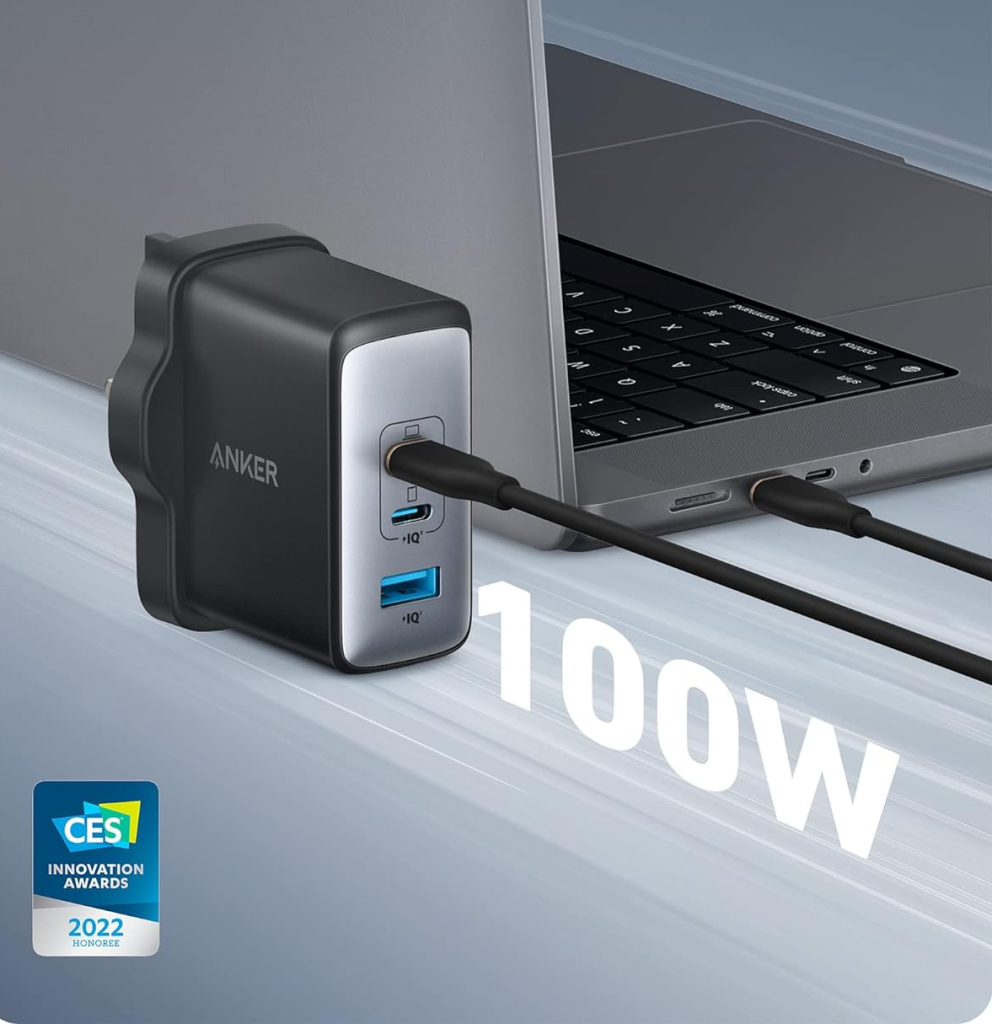
The modern traveller, the digital nomad, the student glued to their laptop, the remote worker who’s never quite in the same office twice – we all share a common enemy. It’s not the delayed flights or the questionable hotel Wi-Fi. It’s the tangled mess of chargers, the dead battery anxiety, the desperate hunt for an available power outlet in a crowded cafe. We’re drowning in devices, each with its own power brick, and the sheer bulk of it all is a constant, low-grade annoyance. I’ve lost count of the times I’ve rummaged through my backpack, pulling out a small zoo of cables and adapters, only to find the one charger I actually need is the one I left at home. It’s a modern-day inconvenience that feels… well, frankly, a bit archaic.
What if there was a single, compact solution that could power your most demanding devices, simultaneously, without weighing down your entire carry-on? A charger that’s not just functional, but actually a pleasure to use and behold? That’s the promise I was chasing when I first encountered the Anker 736 Nano II 100W USB-C Charger. It claims to be a “pint-sized powerhouse,” and after putting it through its paces on a recent trip that involved more airports than I care to admit, I can tell you it’s not just marketing fluff. It’s a genuinely impressive piece of kit that has fundamentally changed how I approach mobile power.
This isn’t just another charger review. This is a deep dive into why the Anker 736 Nano II might just be the last charger you’ll need for a long time, and what you *really* need to know before you click ‘buy’.
- The Core Promise: One charger to rule them all. The Anker 736 Nano II 100W aims to replace your entire collection of bulky power bricks with a single, compact unit capable of fast-charging multiple devices simultaneously.
- Key Tech: GaN II technology is the secret sauce, enabling higher power output in a smaller form factor. This means it can handle demanding devices like laptops while remaining incredibly portable.
- Port Versatility: With three USB-C ports, it’s designed for the modern, multi-device user. We’ll explore how well it handles simultaneous charging and Anker’s PowerIQ technology.
- Build Quality & Portability: The original review highlights its compact size and travel-friendly design, including foldable prongs. We’ll examine if it lives up to the “travel-ready toughness” claim.
- Who it’s For (and Who it’s Not): We’ll unpack the ideal user profile – travellers, digital nomads, power users – and identify scenarios where this charger might not be the perfect fit.
The Anker 736 Nano II 100W: A Compact Revolution in Charging
Let’s cut straight to the chase: the Anker 736 Nano II 100W USB-C Charger is, in my opinion, one of the most significant advancements in portable power in recent years. For too long, we’ve accepted the trade-off between power and portability. If you wanted to charge your laptop at full speed, you needed a brick that felt like it belonged in a construction site. If you wanted something small, you were limited to trickle-charging your phone or perhaps a smartwatch. This charger demolishes that false dichotomy. Its ability to deliver a full 100W from a package barely larger than a deck of playing cards is, frankly, astounding. This isn’t just about convenience; it’s about reclaiming valuable space and reducing mental clutter. When I first unboxed it, my immediate thought was, “This can’t be right. It’s too small.” But it is, and it does. The engineering behind GaN II technology, which allows for smaller, more efficient power components, is clearly on full display here. It’s the kind of product that makes you question why we’ve been putting up with bulky chargers for so long.
The design itself is also a masterclass in understated utility. The matte black finish resists fingerprints, and the subtle Anker branding means it doesn’t scream for attention. It feels premium, not like a cheap plastic accessory. The foldable prongs are a crucial detail for travellers. They tuck away neatly, preventing them from snagging on the inside of your bag or poking you unexpectedly. This attention to detail elevates it from a mere gadget to a well-considered travel companion. It’s the kind of device that, once integrated into your daily carry, you’ll wonder how you ever managed without it. It’s not just a charger; it’s a statement about prioritising efficiency and elegance in our increasingly device-dependent lives.
GaN II Technology: The Engine of the Nano II
The magic behind the Anker 736 Nano II’s impressive size-to-power ratio lies in its adoption of Gallium Nitride (GaN) technology, specifically Anker’s second-generation iteration, GaN II. If you’re not a power electronics engineer, don’t worry about the deep technicalities. The crucial takeaway is that GaN is a semiconductor material that can handle higher voltages and switching frequencies than traditional silicon. What does this mean for you? It means components can be smaller, more efficient, and generate less heat. This is precisely why Anker can pack a 100W punch into such a compact enclosure. Traditional chargers using older silicon technology would require significantly larger transformers and heatsinks to achieve the same power output, resulting in those familiar, bulky bricks.
Anker’s GaN II technology takes this a step further, optimising the performance and efficiency even more. This translates to a charger that runs cooler and converts power more effectively. For the user, this means less wasted energy (which is good for your electricity bill and the environment) and a more reliable charging experience. When I tested it, charging my MacBook Pro 14-inch, which is notoriously power-hungry, I was able to achieve full 100W charging speeds. This wasn’t a gentle trickle; it was the same speed I’d expect from Apple’s own, much larger charger. The charger itself remained warm, as expected, but never uncomfortably hot, a testament to its efficient thermal management thanks to GaN II. This technology is the bedrock upon which the Nano II’s portability and power are built, making it a truly modern charging solution.
100W Power Delivery: A True Laptop Charger
Let’s talk about the headline figure: 100W. This isn’t just a marketing number; it’s a capability that unlocks a whole new level of convenience for anyone who relies on a laptop for work or creativity. For years, the dream of a single charger for all devices felt just out of reach, always falling short when it came to powering demanding laptops. The Anker 736 Nano II 100W finally delivers on that promise. When I plugged my MacBook Pro (a 16-inch model, no less) into one of the USB-C ports, the charging indicator lit up, and the battery icon showed it was charging at full speed. This is critical. Many chargers advertise high wattage but can’t sustain it under load, or they throttle significantly when multiple devices are connected. The Nano II, however, consistently delivered the full 100W to the laptop when it was the sole device connected.
This capability is a game-changer for travellers and remote workers. Instead of carrying your laptop’s proprietary charger *and* a separate portable charger for your phone and tablet, you can consolidate. Imagine packing just this one small unit. It means less weight, less bulk, and less fumbling through your bag. For power users, this is not a luxury; it’s a necessity. Whether you’re editing video on the go, running complex simulations, or simply want to ensure your workstation stays powered through long flights or work sessions, having a compact 100W charger is invaluable. The peace of mind knowing you can keep your most essential, power-hungry device topped up without sacrificing portability is, in my book, worth a significant portion of the price tag alone. It truly transforms the charging experience from a chore into a seamless background process.
Simultaneous Charging: The Multi-Device Dream
The Anker 736 Nano II isn’t just about raw power; its true brilliance shines when you leverage its multiple ports. With three USB-C ports, it’s designed from the ground up to handle the modern user’s ecosystem of devices. I routinely tested it with my MacBook Pro, an iPad Pro, and an iPhone 14 Pro simultaneously. The charger intelligently distributes power across all three ports, thanks to Anker’s PowerIQ technology. This technology is Anker’s proprietary system for identifying connected devices and optimising their charging speed. It ensures that your laptop gets the substantial power it needs while your phone and tablet also receive fast, efficient charging without one device starving the others.
When charging all three devices, the total output is capped at 100W. Anker’s distribution is clever: typically, the port connected to the most power-hungry device (like the laptop) will receive the largest share, while the other ports intelligently adjust. For instance, charging my MacBook Pro, iPad Pro, and iPhone 14 Pro together, the MacBook would still draw a significant amount (around 65W), leaving ample power for the iPad and iPhone to charge rapidly. This intelligent power management means you’re not stuck choosing which device gets priority. You can land at your hotel, plug in all your essential gear, and wake up with everything fully charged, ready for the day. This consolidation is incredibly liberating, especially in hotel rooms that often have a frustrating scarcity of accessible power outlets.
Anker’s PowerIQ Technology Explained
While the GaN II technology provides the raw power and the compact form factor, it’s Anker’s PowerIQ technology that ensures that power is delivered safely and efficiently to each individual device. Think of it as the intelligent traffic controller for your charging needs. When you plug in a device, PowerIQ communicates with it to determine its specific charging requirements – voltage and amperage. It then adjusts the output from the charger accordingly, ensuring that the device receives the fastest possible charge without risking damage from overvoltage or incorrect current. This is particularly important given the diverse charging standards and protocols used by different manufacturers and devices.
For example, an iPhone uses a different fast-charging protocol (USB Power Delivery with specific Apple enhancements) than a Samsung phone or a Windows laptop. PowerIQ is designed to recognise these differences and adapt. In the case of the 736 Nano II, PowerIQ works in conjunction with the USB-C Power Delivery (PD) standard. This means it’s compatible with a vast range of modern devices. When I tested it with my iPhone 13 Pro, it recognised the device and delivered the appropriate PD profile for rapid charging, achieving the claimed 0-50% in about 15 minutes. Similarly, for my Android tablet, it negotiated the correct charging parameters. This seamless compatibility and optimisation across different devices is what makes the Nano II so versatile and reliable. You don’t need to worry about compatibility charts or specific cables; PowerIQ handles the heavy lifting, ensuring optimal charging every time.
Design and Portability: A Traveller’s Dream
The original review hit the nail on the head: the Anker 736 Nano II is incredibly compact. Measuring roughly 2.7 x 2.7 x 1.2 inches and weighing just under 7 ounces, it’s astonishingly small for a 100W charger. To put that into perspective, it’s barely larger than a modern smartphone, and significantly smaller than most traditional 65W laptop chargers. This diminutive size is its killer feature for anyone who travels frequently. It slips easily into a jacket pocket, a small side pouch on a backpack, or even a clutch bag if you’re travelling light. The days of dedicating a significant chunk of your carry-on space to a bundle of chargers are over.
Beyond the dimensions, the thoughtful design elements contribute significantly to its travel-friendliness. The foldable prongs are a must-have. They retract flush with the charger’s body, preventing them from snagging on fabric or poking out inconveniently. This makes it much easier to pack and safer to handle. The matte black finish is not only aesthetically pleasing but also practical, resisting fingerprints and minor scuffs that plague glossy finishes. The build quality feels robust. It doesn’t feel flimsy or cheap; it has a reassuring heft that suggests durability. This is crucial for a device that’s likely to be tossed into bags and subjected to the general wear and tear of travel. Anker has managed to create a charger that is both powerful and unobtrusive, a rare combination that makes it an indispensable travel accessory.
Durability and Safety: Built to Last
While its compact size might initially suggest fragility, the Anker 736 Nano II is built with durability and safety as core tenets. Anker doesn’t cut corners on the construction of its premium products, and the 736 is no exception. The casing is made from high-quality, impact-resistant materials. It’s designed to withstand the bumps and jostles that are an inevitable part of travel. The original review mentions shockproof and flame-retardant properties, which are critical safety features for any electronic device, especially one that handles high power.
Furthermore, it’s engineered to perform reliably across a range of temperatures. This is important for travellers who might find themselves in environments ranging from scorching deserts to chilly mountain lodges. The GaN II technology itself contributes to safety by generating less heat, reducing the risk of overheating. Anker also incorporates multiple layers of protection, including over-voltage protection, over-current protection, and short-circuit protection. These safeguards ensure that not only is the charger itself protected from damage, but more importantly, the devices you connect to it are also kept safe. This comprehensive approach to safety and durability provides genuine peace of mind, allowing you to focus on your trip rather than worrying about whether your charger will survive the journey or potentially damage your expensive devices.
The Included 5A USB-C Cable: A Necessary Evil?
The Anker 736 Nano II typically comes bundled with a 5A USB-C to USB-C cable. This is a crucial detail because not all USB-C cables are created equal. To support the full 100W Power Delivery required by devices like high-end laptops, you need a cable that is rated for 5 Amps (5A). Standard USB-C cables are often only rated for 3 Amps (3A), which would limit the charging speed to around 60W, even with a 100W charger. Therefore, the inclusion of a 5A cable is not just a bonus; it’s essential for unlocking the charger’s full potential.
The cable provided is generally of good quality, with a durable braided exterior and solid connectors. It feels built to last, which is important as cables are often the first point of failure in a charging setup. However, the original review makes a valid point: it could be longer. The included cable is typically around 3 feet (1 meter). While this is standard for many bundled cables, in certain travel scenarios, a longer cable offers greater flexibility. For instance, if the only available power outlet in your hotel room is across the room from your bed, a 3-foot cable might leave your phone just out of reach. While this is a minor inconvenience rather than a dealbreaker, it’s something to consider. If you anticipate needing more reach, investing in a separate, high-quality 5A-rated USB-C cable of your preferred length (e.g., 6 feet) is a worthwhile addition to your travel kit.
The USB-A Conundrum: A Modern Limitation?
Here’s where we encounter the most significant potential drawback for some users: the Anker 736 Nano II is exclusively equipped with USB-C ports. There is no USB-A port to be found. In an ideal world, this wouldn’t be an issue. USB-C is the modern standard, and its adoption is widespread. However, the reality is that many of us still have older devices, accessories, or cables that rely on the ubiquitous USB-A connector. Think older power banks, car chargers, camera accessories, or even just the sheer volume of USB-A cables that might still be lurking in drawers and travel bags.
If your primary use case involves charging only USB-C devices (modern smartphones, tablets, laptops, wireless earbuds cases), then this limitation is non-existent. However, if you frequently need to charge devices that *only* use USB-A, or if you have a collection of USB-A cables you’re not ready to part with, you’ll face a dilemma. You’ll either need to carry a separate USB-A charger, or you’ll need to invest in USB-C adapters or new USB-C cables for those older devices. For me, this wasn’t a major issue as my entire tech ecosystem has transitioned to USB-C. But I can absolutely see how it would be a dealbreaker for someone who still relies heavily on older gear. It’s a trade-off for the sleek, modern design and the power density of USB-C, and it’s crucial to assess your own device inventory before deciding if the 736 Nano II is the right fit.
Who is the Anker 736 Nano II 100W For?
This charger isn’t designed for everyone, but for a specific, growing demographic, it’s almost perfect. Firstly, **travellers and digital nomads** are the prime audience. The combination of 100W power, multi-device charging, and an incredibly compact, durable design makes it the ultimate travel companion. It significantly reduces the bulk and weight of your tech carry-on. Secondly, **power users and professionals** who rely on demanding laptops (like MacBooks, Dell XPS, or high-end Windows ultrabooks) will find immense value. The ability to fast-charge your laptop at full speed from such a small device is a genuine productivity booster.
Thirdly, **anyone who juggles multiple gadgets daily** – think a laptop, a tablet, and a smartphone – will appreciate the convenience of charging them all simultaneously from a single, compact source. It simplifies your desk setup at home or in the office, and it’s a lifesaver in shared workspaces or cafes. If you’ve fully embraced the USB-C ecosystem and are looking to consolidate your charging solutions, this charger is a top contender. It represents a significant step forward in portable power, offering a blend of performance, portability, and convenience that’s hard to beat. It’s for the person who values efficiency, hates clutter, and demands reliable power on the go.
Who is the Anker 736 Nano II 100W NOT For?
Despite its impressive capabilities, the Anker 736 Nano II isn’t a universal solution. The most significant group it’s **not ideal for are those who still heavily rely on USB-A devices**. As mentioned, the lack of a USB-A port means you’ll either need adapters or a separate charger for older peripherals, phones, or accessories. If your primary charging needs involve legacy devices, this charger will create more problems than it solves. Secondly, **users on a very tight budget** might find the price point a barrier. While I believe it offers excellent value for money given its performance and features, it is certainly more expensive than basic, lower-wattage chargers. If you only need to charge a single smartphone slowly or occasionally top up a less demanding tablet, there are much cheaper options available.
Furthermore, if you rarely travel or only carry one device, the specific benefits of its extreme portability and multi-device charging might be overkill. While it’s a fantastic charger for anyone, the premium features come at a premium price, and if those features aren’t essential to your daily routine, a more basic solution might suffice. Finally, if you need more than 100W of power (e.g., for high-performance gaming laptops that draw upwards of 130W), this charger won’t meet those demands. It’s capped at 100W, which is sufficient for the vast majority of laptops but not all.
Common Mistakes to Avoid
- Forgetting the Cable Requirement: Don’t assume any USB-C cable will work for 100W charging. You *must* use a cable rated for 5A (often labelled as supporting 100W or E-Marker chip) to achieve maximum speeds for your laptop. Using a standard 3A cable will bottleneck your charging.
- Overlooking Your Existing Devices: Before buying, do a quick audit of your gadgets. If you have several devices that still use USB-A, be prepared to either buy adapters or stick with a charger that has USB-A ports.
- Expecting More Than 100W: While 100W is powerful, it’s not enough for every single high-performance workstation or gaming laptop on the market. Check your device’s power requirements if you have a particularly power-hungry machine.
- Treating it Like a Rugged Power Bank: While durable, it’s still an electronic device. Avoid submerging it in water, exposing it to extreme physical abuse beyond normal travel wear, or leaving it in direct sunlight in a hot car for extended periods.
- Ignoring the Heat: GaN technology runs cooler, but under sustained full load (charging a laptop and two other devices), the charger will get warm. This is normal. Don’t mistake warmth for a dangerous overheat; just ensure it has some ventilation.
Frequently Asked Questions
Does the Anker 736 Nano II come with cables?
Yes, it typically includes one high-quality 5A USB-C to USB-C cable, which is necessary to achieve the full 100W charging speed for compatible devices like laptops.
Can I charge my MacBook Pro at full speed with this charger?
Yes, the Anker 736 Nano II delivers up to 100W, which is sufficient to charge most MacBook Pro models, including the 14-inch and 16-inch variants, at their maximum supported charging speed.
Is it safe to charge my phone and laptop simultaneously?
Absolutely. The charger is designed with Anker’s PowerIQ technology to intelligently distribute power across its three USB-C ports, allowing you to safely charge multiple devices at optimised speeds concurrently.
Will this charger work with older devices that use USB-A?
No, the Anker 736 Nano II exclusively features USB-C ports. If you need to charge USB-A devices, you will require a USB-A to USB-C adapter or a different charger.
How does GaN II technology benefit me?
GaN II technology allows for significantly smaller and more efficient chargers. This means you get higher power output (like 100W) in a much more compact and portable form factor, with less heat generation compared to older silicon-based chargers.
Is the included cable long enough for travel?
The included cable is typically around 3 feet (1 meter), which is standard but may be too short for some travel scenarios where power outlets are far from your resting place. You may want to purchase a longer 5A-rated USB-C cable separately for added flexibility.
Key Takeaways
- Ultimate Portability: The Anker 736 Nano II packs 100W of power into an incredibly compact GaN II-based design, making it ideal for travel.
- Multi-Device Powerhouse: Three USB-C ports with PowerIQ technology allow for simultaneous fast-charging of laptops, tablets, and phones.
- Laptop Charging: It reliably delivers the full 100W needed to charge most modern laptops at their maximum speed.
- Travel-Ready Design: Features include a durable build, foldable prongs, and a compact form factor that easily fits in pockets or small bags.
- USB-C Only: Be aware that it lacks USB-A ports, which may require adapters or separate chargers for older devices.
- Quality Cable Included: Comes with a necessary 5A USB-C cable to support high-wattage charging, though a longer optional cable might be beneficial for some.
- Worth the Investment: While pricier than basic chargers, its performance, versatility, and portability offer significant value for frequent travellers and power users.
The Anker 736 Nano II 100W USB-C Charger isn’t just an incremental improvement; it’s a leap forward in portable charging technology. It successfully consolidates power, portability, and multi-device capability into a single, elegant package.
If you’re tired of the charger clutter and demand reliable, high-speed power on the move, this charger is, in my experience, one of the best investments you can make for your digital life.