 abujiggy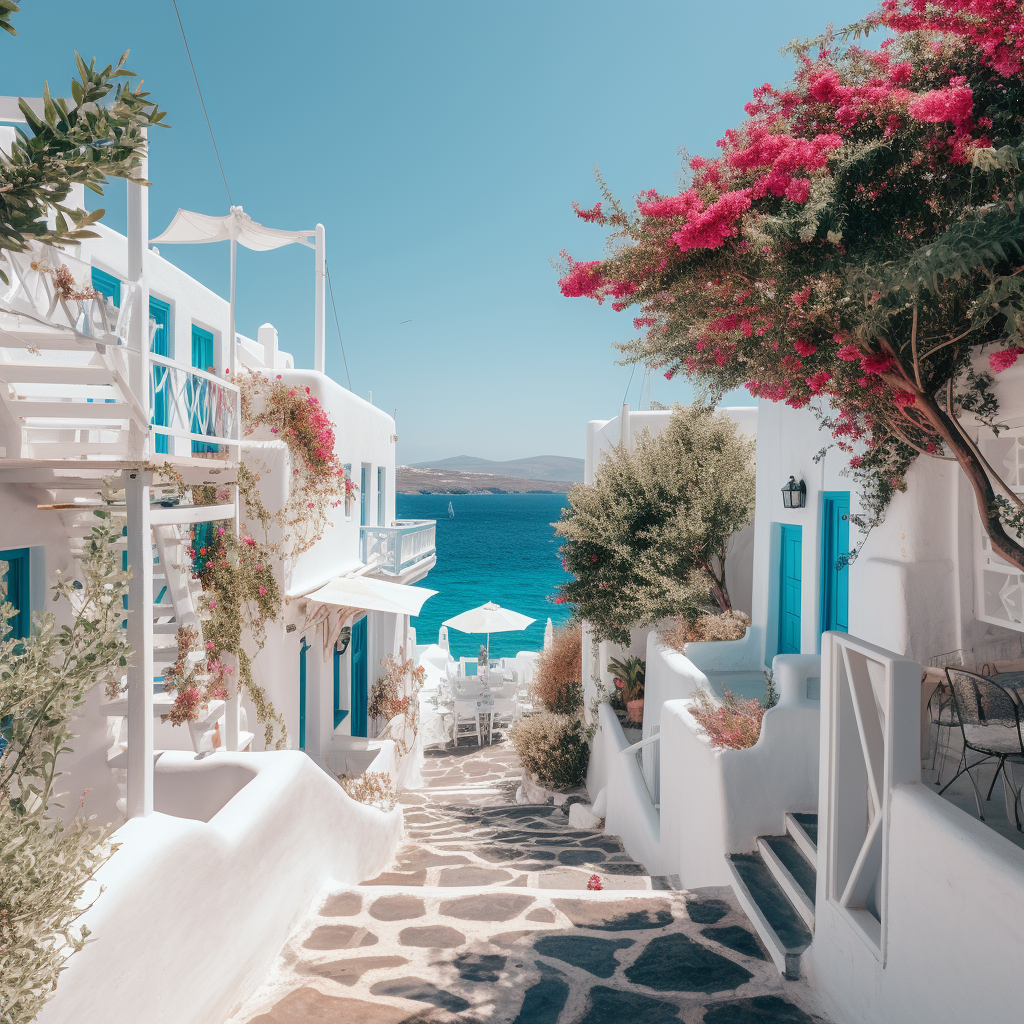
Mykonos. The name alone conjures images of pulsating beach clubs, celebrity sightings, and eye-watering prices. For years, the island has been marketed as the ultimate party destination, a playground for the rich and restless. But beneath that glossy, often overwhelming veneer lies a different Mykonos, one that whispers tales of ancient mariners, Venetian conquests, and a way of life that has endured for centuries. This is the Mykonos of Chora, the Old Town.
I’ve travelled extensively through the Cyclades, and while I appreciate a good beach party as much as the next person, my heart truly belongs to the quiet corners, the places where history isn’t just a footnote but the very fabric of existence. Mykonos Old Town, with its labyrinthine alleys and whitewashed simplicity, is one such place. It’s a destination often overlooked by those chasing the latest trend, but for the discerning traveller, it offers an authentic Greek island experience that transcends the hype. This guide isn’t about where to find the loudest DJ; it’s about uncovering the timeless charm that makes Mykonos truly special.
What you’ll actually get from this guide:
- An honest, no-nonsense perspective on Mykonos Old Town, cutting through the Instagram filters and tourist traps.
- Practical strategies for navigating the winding streets, finding authentic experiences, and avoiding common pitfalls.
- Insights into the history, architecture, and local culture that give the Old Town its unique soul.
- Actionable advice on where to eat, what to buy, and how to capture the town’s beauty through your lens.
- Recommendations for essential travel gear that will genuinely enhance your trip, not just clutter your bag.
The Mykonos Paradox: Beyond the Party Island Hype
Let’s be blunt: Mykonos has a reputation. It’s known for its exorbitant prices, its super-yachts, and its relentless party scene. And, yes, if you seek out those aspects, you’ll find them in abundance. But to reduce Mykonos to merely a party island is to miss its profound, enduring charm entirely. The true heart of Mykonos beats strongest not in the thumping bass of a beach club, but in the quiet, cobblestone alleys of Chora – the island’s Old Town. This is where the island’s soul resides, a place where history isn’t just preserved but actively lived.
When I first visited, I arrived with a healthy dose of scepticism, prepared for an experience dominated by commercialism. What I found, however, was a captivating maze of whitewashed buildings, vibrant bougainvillaea, and a palpable sense of timelessness. The Old Town is a testament to traditional Cycladic architecture, a living museum that manages to blend its rich past with a surprisingly contemporary, yet respectful, energy. It’s a place that demands exploration on foot, where every turn reveals a new vista, a hidden courtyard, or a glimpse into local life. Forget the curated Instagram feeds for a moment; the real magic of Mykonos Old Town lies in its unfiltered authenticity, its ability to transport you to a Greece that feels both ancient and vibrantly alive.
Navigating the Labyrinth: Mastering Chora’s Ancient Streets
One of the most exhilarating, and sometimes frustrating, aspects of Mykonos Old Town is its labyrinthine street plan. These aren’t your grid-patterned city streets; they are a deliberate, intricate maze, designed centuries ago to confuse pirates and invaders. Today, they serve to delight and disorient travellers in equal measure. My advice? Embrace getting lost. Seriously. Put away the Google Maps for an hour or two and just wander. This is where the true discoveries happen: a tiny chapel tucked between two houses, a local baker pulling fresh bread from an oven, a quiet café where time seems to slow down.
However, ’embracing getting lost’ doesn’t mean being unprepared. Comfortable, sturdy footwear is non-negotiable. Those polished cobblestones become incredibly slippery after a summer shower, and heels are an absolute folly. I’ve seen more than one traveller hobbling back to their hotel, regretting their fashion choices. The alleys are narrow, often barely wide enough for two people to pass, and during peak season, they can become incredibly crowded. To truly experience the magic of these streets, I recommend heading out early in the morning, just as the shops are opening and the town is still waking up. The light is softer, the air is cooler, and you’ll have the picturesque lanes largely to yourself. Alternatively, a late evening stroll after the dinner rush can also be enchanting, with the soft glow of lanterns illuminating the white walls.
A Canvas of History: What the White Walls and Blue Doors Really Tell Us
The iconic whitewashed buildings with their vibrant blue doors and windows are more than just aesthetically pleasing; they are a visual shorthand for Cycladic history and resilience. This architectural style, so emblematic of Mykonos, evolved out of necessity and practicality. The white lime wash served multiple purposes: it reflected the intense Aegean sun, keeping interiors cool; it acted as a disinfectant, crucial in times of plague; and it was readily available and affordable. The striking blue accents, often seen on doors, window frames, and balconies, are said to have originated from the readily available indigo dye used by sailors, or perhaps from a religious significance, mirroring the colours of the Greek flag and the sea itself.
Mykonos Old Town, or Chora, bears the imprints of centuries of foreign rule and local ingenuity. From the Venetians, who fortified the island and left their architectural legacy, to the Ottomans, who influenced trade and culture, each era has added a layer to the town’s character. You’ll notice subtle variations in the architecture – the elegant balconies of Little Venice, the sturdy stone walls of older buildings, the small, almost windowless ground floors designed for defence against pirates. The town’s commitment to preserving this heritage is evident; strict building regulations ensure that new constructions adhere to traditional styles, maintaining the cohesive, timeless aesthetic that draws millions of visitors each year. It’s a living testament to a culture that values tradition and beauty in equal measure.
Little Venice: The Iconic Waterfront, Deciphered
No visit to Mykonos Old Town is complete without experiencing Little Venice. This picturesque quarter, with its charming old houses built directly on the sea’s edge, their colourful wooden balconies overhanging the water, is undeniably one of the island’s most iconic sights. It’s a place that has captivated artists and photographers for generations, and for good reason. The name itself, ‘Little Venice,’ hints at its architectural resemblance to the Italian city, a legacy of the Venetian occupation of the Cyclades from the 13th to the 18th centuries. These houses were originally built by wealthy merchants and sea captains, their ground floors often used as storage for goods unloaded directly from boats.
While stunning, Little Venice can also be one of the most crowded spots in Mykonos, especially around sunset. To truly appreciate its unique charm, I suggest a two-pronged approach. First, visit in the early morning. The light is soft, the crowds are minimal, and you can wander the narrow passages between the houses, admiring the details without jostling for space. This is the best time for photography. Second, return for sunset, but manage your expectations regarding crowds. Securing a prime table at one of the waterfront bars like Caprice or Galleraki requires early arrival or a reservation. My personal preference is to find a spot slightly removed from the immediate waterfront, perhaps up a small alley, where you can still enjoy the magical play of light on the water and the houses, but with a little more breathing room. The cocktails might be pricey, but the view as the sky turns from gold to deep indigo is genuinely unforgettable.
The Windmills of Kato Mili: More Than Just a Photo Op
Perched majestically on a hill overlooking Mykonos Town and the Aegean Sea, the Kato Mili windmills are perhaps the most enduring symbol of Mykonos. These iconic structures, with their thatched roofs and stark white bodies, are a photographer’s dream, especially at sunrise or sunset. But they are far more than just a pretty backdrop; they are a tangible link to the island’s agricultural and economic past. Built predominantly by the Venetians in the 16th century, these windmills harnessed the strong Aegean winds to grind wheat, which was then exported or used to feed the local population. At one point, there were over 20 windmills on Mykonos, with 10 of them concentrated here at Kato Mili (“lower mills”).
Today, only a handful remain fully intact, most having ceased operation in the mid-20th century. One, the Boni Windmill, has been restored and functions as part of the Mykonos Agricultural Museum, offering visitors a glimpse into its inner workings. When you visit Kato Mili, be prepared for crowds, especially during peak season and around sunset. Everyone wants that quintessential Mykonos shot. My advice is to arrive well before sunset to secure a good vantage point, or better yet, visit early in the morning when the light is equally beautiful but the crowds are significantly thinner. Take a moment to appreciate not just their aesthetic appeal, but their historical significance – these silent sentinels once powered the island, a testament to human ingenuity in harmony with nature.
Eating Authentically: Finding True Greek Flavours in a Tourist Hotspot
Eating well in Mykonos Old Town can be a minefield. For every genuinely authentic taverna, there are several establishments catering solely to the tourist dollar, often with inflated prices and mediocre food. My philosophy is always to seek out where the locals eat, but in a place like Mykonos, that requires a bit more effort and discernment. The key is to look beyond the most obvious waterfront restaurants, which, while offering spectacular views, often come with a significant price premium and a less authentic culinary experience. Instead, venture deeper into the labyrinthine alleys.
What should you look for? First, a menu that isn’t overly extensive and features seasonal ingredients. Second, a place where the staff seem genuinely engaged, not just trying to turn tables. Third, check for a visible kitchen or a display of fresh fish. My personal favourites are the smaller, family-run tavernas that might not have a glossy website but have been serving the same delicious recipes for generations. Don’t be afraid to ask for recommendations from locals you encounter – a shopkeeper, your hotelier, or even a taxi driver. When it comes to specific dishes, always try the fresh seafood, grilled simply with olive oil and lemon. Other must-tries include
A Word of Caution: While the allure of a waterfront table in Little Venice is strong, be prepared for prices that reflect the view, not necessarily the quality of the food. For a truly memorable meal, often at a better value, step away from the immediate tourist hubs and explore the quieter backstreets.
Shopping Smart: Local Crafts vs. Tourist Traps
The narrow streets of Mykonos Old Town are brimming with shops, offering everything from high-end designer labels to tacky souvenirs. Navigating this retail landscape requires a discerning eye if you want to take home something genuinely representative of Mykonos, rather than a mass-produced item that could have come from anywhere. My advice is to focus on local crafts and products that reflect the island’s unique heritage and artistic traditions.
Look for genuine handmade jewellery, particularly pieces featuring local stones or traditional Greek motifs. Many small workshops can be found tucked away in the alleys, where you can often see the artisans at work. Hand-woven textiles, often made from natural fibres like cotton or linen, are another excellent choice, ranging from intricate tablecloths to stylish beachwear. Ceramics, painted with traditional Cycladic designs or depicting scenes from Greek mythology, also make beautiful and authentic gifts. Olive wood products, from kitchen utensils to decorative items, are both practical and beautiful, showcasing the island’s rich olive oil tradition. What to avoid? Anything that feels generic, mass-produced, or overly branded with “Mykonos” in a garish font. Steer clear of shops selling identical items to every other vendor; these are typically imported goods with little connection to local craftsmanship. A good rule of thumb: if the price seems too good to be true for a ‘handmade’ item, it probably is. Engage with the shopkeepers, ask about the origin of their products, and you’ll often discover the true gems.
The Soul of the Island: Engaging with Mykonos’s People and Culture
While Mykonos is undeniably a global tourist destination, the warmth and resilience of its local population remain a defining characteristic. Beyond the bustling crowds and the veneer of luxury, there’s a deep-seated sense of community and a proud Greek identity. Interacting with the locals, even in small ways, can transform your trip from a mere sightseeing excursion into a genuine cultural encounter. I’ve found that a simple “Kalimera” (good morning) or “Efharisto” (thank you) can open doors, eliciting smiles and sometimes even a brief, friendly conversation.
The people of Mykonos, particularly those who have lived there for generations, have witnessed immense change, from a humble fishing and agricultural island to a global hotspot. They carry with them a wealth of stories and a quiet pride in their heritage. Don’t be afraid to strike up a conversation with a shop owner, a taverna proprietor, or an elderly resident sitting on their stoop. Ask about the history of their family, the changes they’ve seen, or their favourite local spots. You might not always find perfect English, but genuine curiosity is often met with genuine hospitality. Remember that this is their home, not just your holiday destination. A respectful attitude, a willingness to slow down, and an open mind will often reveal a side of Mykonos that most tourists never get to see – the enduring soul of the island and its people.
Capturing the Magic: A Photographer’s Guide to Mykonos Old Town
For any photography enthusiast, Mykonos Old Town is an absolute dream. Every corner, every alleyway, every splash of bougainvillaea against a whitewashed wall seems to beg to be captured. The interplay of light and shadow, the vibrant colours against the stark white, and the endless architectural details create an ever-changing canvas. However, simply pointing and shooting won’t always yield the most compelling results. To truly capture the magic, you need a strategy.
Timing is Everything:
- Golden Hour (Sunrise & Sunset): This is non-negotiable. The soft, warm light of sunrise bathes the town in a gentle glow, creating long shadows and a serene atmosphere, with far fewer crowds. Sunset, while more crowded, offers dramatic skies and a magical transformation as the town’s lights begin to twinkle.
- Blue Hour: The period just after sunset (or before sunrise) when the sky turns a deep, rich blue. This is perfect for capturing the illuminated alleys and the charming glow of the tavernas.
- Midday: Avoid direct midday sun if possible. The harsh light creates strong contrasts and blown-out highlights, making it difficult to get balanced exposures. If you must shoot at midday, seek out shaded alleys or focus on architectural details where the light is more diffused.
Composition Tips:
- Leading Lines: Use the narrow alleys and architectural features to draw the viewer’s eye into your frame.
- Rule of Thirds: Place your subjects (a colourful door, a flower pot) off-centre for a more dynamic composition.
- Details: Don’t just shoot wide shots. Focus on the intricate details – a rusty anchor, a painted sign, a stack of fishing nets, a sleeping cat. These small elements tell a bigger story.
- People: Incorporate people into your shots to add a sense of scale and life, but always be respectful. Ask permission if you’re taking a close-up portrait.
Gear Considerations:
A versatile lens (e.g., a 24-70mm equivalent on full-frame) is ideal for capturing both wide streetscapes and tighter details. A compact travel camera (more on that later) is perfect for discretion and ease of use. And, of course, a fully charged phone with a good camera is always on hand. Remember, the best camera is the one you have with you, but understanding light and composition will elevate any shot.
Timing Your Trip: When Mykonos Old Town Truly Shines (and When It’s Overrun)
The timing of your visit to Mykonos Old Town can profoundly impact your experience. While the island is technically open year-round, its character shifts dramatically with the seasons. Choosing the right time depends entirely on your priorities: do you crave vibrant nightlife and bustling crowds, or a more serene, authentic escape?
Here’s a breakdown of the seasons and what to expect:
| Season | Months | Weather | Crowds & Vibe | Pros | Cons |
|---|---|---|---|---|---|
| Peak Season | July – August | Hot (28-35°C), sunny, strong Meltemi winds. | Extremely crowded, lively, party-centric, high prices. | All businesses open, vibrant nightlife, warm sea for swimming. | Overrun, highest prices, difficulty with reservations, intense heat. |
| Shoulder Season | May – June, September – early October | Warm (22-28°C), sunny, pleasant. Sea still warm. | Moderate crowds, lively but not overwhelming, good balance. | Excellent weather, most businesses open, better value, easier to explore. | Some beach clubs might be winding down by late Sept/Oct. |
| Low Season | Late October – April | Mild (10-20°C), some rain, cooler winds. | Very few tourists, quiet, many businesses closed. | Authentic local experience, lowest prices, peaceful, great for hiking. | Limited dining/shopping options, some ferry routes reduced, sea too cold for swimming. |
From my own experience, the shoulder seasons – particularly late May/early June or mid-September – offer the best balance. The weather is glorious, the sea is warm enough for swimming, and while there are still plenty of people, you can actually navigate the Old Town without feeling like you’re in a sardine can. Prices for accommodation and flights are also significantly more reasonable than in the peak summer months. If your primary goal is to experience the charm of the Old Town, its history, and its culture, then avoiding July and August is a wise move. You’ll find a more relaxed pace, more genuine interactions with locals, and a far more enjoyable overall experience.
Your Essential Mykonos Packing List: Gear That Actually Matters
When preparing for a trip to Mykonos, especially if you plan to spend significant time exploring the Old Town, a thoughtful packing list can make all the difference. Forget the endless parade of designer outfits you might see on social media; what you truly need is practicality, versatility, and reliability. Here are three items I always ensure are in my bag, and why they’re indispensable:
The Indispensable Universal Travel Adapter
This might seem obvious, but you’d be surprised how many travellers arrive in Greece with the wrong plug. Greece uses Type F (Schuko) or Type C sockets, which are standard across most of continental Europe. However, rather than buying a specific adapter for every country, a high-quality universal travel adapter is a non-negotiable. Look for one that covers multiple regions (US, UK, EU, AU) and, crucially, includes USB-A and USB-C ports. This allows you to charge your phone, camera, and power bank simultaneously without needing multiple bulky adapters. I favour models that have built-in surge protection; while rare, power fluctuations can occur, and protecting your electronics is always a good idea. Don’t skimp on this – a cheap, flimsy adapter can be a fire hazard, or simply fail when you need it most.
The Lifesaving Portable Power Bank
Between navigating with GPS, taking countless photos, and staying in touch with loved ones, your phone battery will drain faster than you expect. A reliable portable power bank is an absolute lifesaver. I’ve tested many over the years, and my recommendation is to go for a capacity of at least 10,000mAh, which should provide 2-3 full phone charges. Anything smaller might not get you through a full day of heavy use. Prioritise models with fast-charging capabilities (Power Delivery for USB-C, Quick Charge for USB-A) and multiple output ports so you can charge more than one device at a time. Brands like Anker or RAVPower are consistently reliable. Trust me, there’s nothing worse than having your phone die just as you’re trying to find your way back to your hotel in the maze-like streets of Chora after a long day of exploration.
The Unsung Hero: A Compact Travel Camera
While smartphone cameras have become incredibly powerful, for those who truly love photography, a dedicated compact travel camera offers a significant upgrade in image quality, versatility, and creative control. I’m not talking about a bulky DSLR, but rather a mirrorless camera or an advanced compact (like Sony RX100 series or Fujifilm X100 series). These cameras offer larger sensors, better low-light performance, optical zoom (which phones lack), and the ability to shoot in RAW for more post-processing flexibility. They are also less conspicuous than a large camera, allowing you to blend in more and capture candid moments without drawing undue attention. While your phone is great for quick snaps, a compact travel camera will elevate your Mykonos memories, capturing the vibrant colours and intricate details of the Old Town with a depth and clarity that a phone simply can’t match. It’s an investment that pays dividends in stunning, lasting photographs.
Common Mistakes I See Travellers Make in Mykonos Old Town
Having spent a fair bit of time observing how people navigate Mykonos Old Town, I’ve noticed a recurring set of missteps that can diminish the experience. Avoiding these common errors will significantly enhance your trip:
- Wearing Inappropriate Footwear: Those charming cobblestones are treacherous, especially with any moisture. High